Why Is Linen Clothing a Sustainable Choice? Complete Eco-Friendly Fabric Guide
- Share
- Issue Time
- Apr 18,2026
Summary
Learn why linen clothing is one of the most sustainable fabric choices. Discover its eco-friendly production, durability, and benefits for fashion brands and conscious consumers.
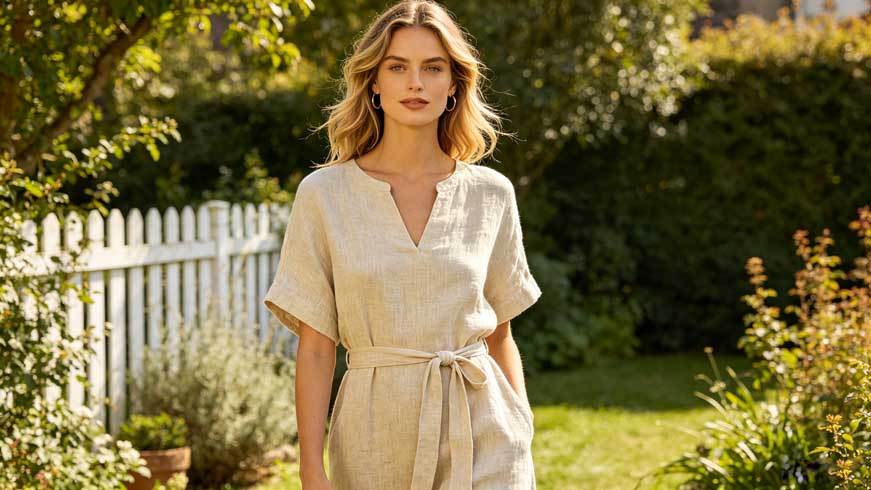
Why Is Linen Clothing a Sustainable Choice?
Linen clothing has become a cornerstone of sustainable fashion, not just because of its natural origin, but because of its entire lifecycle—from cultivation to production, usage, and even disposal. As global consumers and fashion brands shift toward environmentally responsible practices, linen stands out as one of the most eco-friendly fabrics available today.
Unlike synthetic fibers or even conventional cotton, linen offers a unique combination of durability, biodegradability, and low environmental impact. In this comprehensive guide, we explore why linen clothing is widely regarded as a sustainable choice and how it aligns with the future of ethical fashion.
Understanding Linen: A Natural and Renewable Resource
Linen is derived from the flax plant, a crop that has been cultivated for thousands of years. What makes flax particularly sustainable is its ability to grow in poor soil conditions with minimal need for irrigation or chemical inputs.
Flax plants require significantly less water than cotton and can thrive on natural rainfall alone in many regions, reducing strain on freshwater resources.
Every part of the flax plant can be utilized, meaning there is virtually no waste in its processing. The fibers are used for textiles, while seeds can be used for oil or food products. This efficient use of resources makes linen a truly sustainable material from the ground up.
Low Environmental Impact in Cultivation
1. Minimal Water Consumption
Water scarcity is one of the biggest environmental challenges in modern agriculture. Linen production addresses this issue effectively. Compared to cotton, which requires extensive irrigation, flax can grow with far less water input.
2. Reduced Chemical Use
Flax crops generally require fewer pesticides and fertilizers. This reduces soil degradation and prevents harmful chemicals from entering surrounding ecosystems.
3. Carbon Sequestration
Flax plants actively absorb carbon dioxide during growth, contributing to reduced greenhouse gas levels. This makes linen production more climate-friendly compared to synthetic fibers derived from fossil fuels.
Eco-Friendly Manufacturing Process
The sustainability of linen extends beyond farming into its manufacturing process. Traditional methods of extracting linen fibers—such as retting—rely on natural processes rather than harsh chemicals.
Modern eco-conscious manufacturers continue to refine these methods to reduce water usage and energy consumption. Many factories now adopt closed-loop systems, ensuring that water and chemicals are reused rather than released into the environment.
Biodegradability and End-of-Life Benefits
One of the most important aspects of sustainable fashion is what happens after a garment reaches the end of its life. Linen excels in this area because it is fully biodegradable.
Unlike synthetic fabrics that can take hundreds of years to decompose, linen breaks down naturally within a relatively short period when disposed of properly.
Pure linen garments can return to the earth without leaving harmful residues, making them an ideal choice for circular fashion systems.
Durability: A Key to Sustainability
Sustainability is not just about how a product is made—it’s also about how long it lasts. Linen is known for its exceptional durability, which significantly extends the lifespan of garments.
Why Durability Matters
- Reduces the need for frequent replacement
- Lowers overall consumption
- Minimizes textile waste
Linen fibers are stronger than cotton, and garments often become softer and more comfortable with each wash, rather than wearing out quickly.
Breathability and Comfort: Sustainable for Daily Wear
Linen’s natural breathability makes it ideal for hot climates and summer wear. It allows air to circulate freely, helping regulate body temperature and reduce the need for energy-intensive cooling solutions like air conditioning.
This functional sustainability adds another layer to linen’s eco-friendly profile—it supports a more energy-efficient lifestyle.
Timeless Style and Slow Fashion Appeal
Linen clothing is often associated with timeless, minimalist designs that transcend seasonal trends. This aligns perfectly with the principles of slow fashion, which emphasize quality over quantity and longevity over fast-changing styles.
By investing in linen garments, consumers are more likely to build a wardrobe that lasts for years rather than months.
Reduced Microplastic Pollution
One of the hidden environmental threats of synthetic clothing is microplastic pollution. Every time synthetic garments are washed, tiny plastic fibers are released into waterways.
Linen, being a natural fiber, does not contribute to this problem. This makes it a safer choice for oceans, wildlife, and human health.
Ethical Production Opportunities
Linen production often supports more ethical and transparent supply chains. Because flax is primarily grown in regions with established agricultural practices, it allows for better traceability compared to synthetic textiles.
Many manufacturers also integrate fair labor practices, ensuring that sustainability extends beyond environmental factors to social responsibility.
Linen vs Other Fabrics: Sustainability Comparison
Linen vs Cotton
- Linen uses less water
- Requires fewer chemicals
- Has a longer lifespan
Linen vs Polyester
- Linen is biodegradable
- Polyester is petroleum-based
- Linen does not release microplastics
Linen vs Viscose
- Linen has a simpler production process
- Viscose often involves chemical-heavy manufacturing
The Role of Linen in Circular Fashion
Circular fashion aims to eliminate waste and maximize resource efficiency. Linen fits perfectly into this model because it can be reused, recycled, or composted.
Old linen garments can be repurposed into new textiles, cleaning cloths, or even industrial materials, extending their usefulness far beyond initial wear.
Why Fashion Brands Are Choosing Linen
More fashion brands are turning to linen as part of their sustainability strategy. The reasons are clear:
- Strong eco-friendly brand positioning
- Growing consumer demand for sustainable products
- Versatility across multiple clothing categories
- Compatibility with low-impact dyeing and finishing techniques
Linen also supports small-batch and custom manufacturing models, allowing brands to reduce overproduction and inventory waste.
Consumer Awareness and Market Trends
Today’s consumers are more informed than ever. They actively seek out products that align with their values, including sustainability, transparency, and ethical production.
Linen clothing meets all these expectations, making it a preferred choice for conscious shoppers.
Challenges and Considerations
While linen is highly sustainable, it is not without challenges. These include:
- Higher initial cost compared to fast fashion materials
- Wrinkling, which some consumers may find inconvenient
- Limited availability compared to mass-produced fabrics
However, these drawbacks are often outweighed by the long-term environmental and economic benefits.
How to Maximize Sustainability with Linen
Choose High-Quality Linen
Investing in well-made garments ensures longevity and reduces waste.
Care for Your Linen Properly
Wash in cold water, air dry when possible, and avoid harsh detergents to extend the life of your clothing.
Support Responsible Brands
Look for brands that prioritize sustainable sourcing and ethical manufacturing.
The Future of Linen in Sustainable Fashion
As the fashion industry continues to evolve, linen is expected to play an even more significant role. Innovations in textile technology are making linen softer, more versatile, and more accessible.
At the same time, global awareness of environmental issues is driving demand for natural, sustainable materials. Linen is uniquely positioned to meet this demand while maintaining its heritage and authenticity.
Conclusion
Linen clothing represents a powerful solution to many of the environmental challenges facing the fashion industry today. From its low-impact cultivation to its biodegradability and durability, linen offers a comprehensive approach to sustainability.
For both consumers and fashion brands, choosing linen is not just a style decision—it’s a commitment to a more responsible and sustainable future.