Best Linen Midi Dresses for Everyday Wear | KOSSR Best Picks Guide
- Share
- Issue Time
- Aug 7,2026
Summary
A linen midi dress earns its place in an everyday wardrobe when you choose the right weight, finish, and fit. See seven buying checks, five styles, styling, sizing, and honest trade-offs.
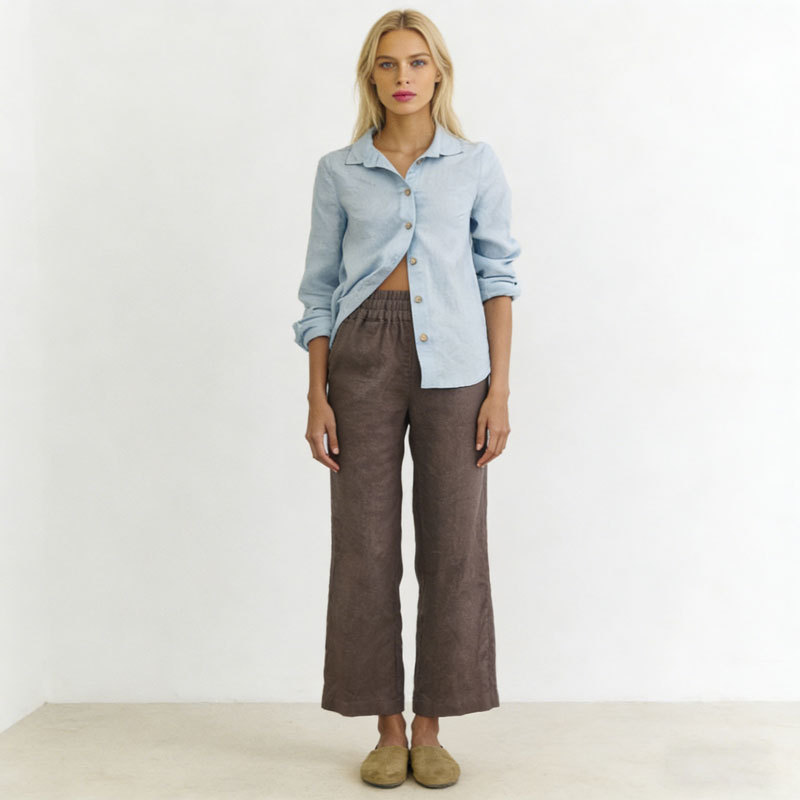
A linen midi dress can be one of the most useful pieces in an everyday wardrobe — if you choose the right weight, cut, and fit. The midi length (hem falling between the knee and ankle) gives linen's relaxed character more coverage and structure than a mini, while staying far easier to move in than a maxi. The result is a dress that works for coffee runs, work-from-home days, lunch with friends, and dinner out, without needing to be changed in between. The catch is that "linen midi dress" covers a wide range of quality, and the differences that matter — fabric weight, whether the linen is pre-washed, how the cut handles the fabric's lack of stretch — are not visible in a product photo. This guide covers the seven checks that separate a good linen midi dress from a frustrating one, the five everyday styles worth knowing, how to style and care for the dress, sizing guidance, and the honest trade-offs you should accept before buying.
This guide is written for women choosing a linen midi dress for daily wear — whether it is your first linen dress or your fifth. It is also useful for buyers sourcing linen dresses for retail, because the same checks separate garments that customers keep from garments that get returned. We focus on what you can verify before you buy: composition, weight, finish, cut, sizing, and care.
1. Why a Linen Midi Dress Works for Everyday Wear
Before getting into selection criteria, it is worth understanding why this specific combination — linen fabric plus midi length — performs so well in daily life.
Linen brings the comfort. Hollow flax fibres create natural airflow, the fabric absorbs up to 20% of its own weight in moisture without feeling wet, and it dries quickly. On a warm commute or a busy day of errands, linen keeps you cooler and drier than cotton or synthetics. It also softens with every wash, so an everyday dress that is worn and laundered often actually improves with use — the opposite of most fabrics.
The midi length brings the practicality. A hem between the knee and ankle stays put whether you are sitting, bending, cycling, or carrying bags. It offers more coverage than a mini for work and family occasions, and it reads as polished without the formality of a floor-length gown. In between the two, the midi is the length most women can wear for the longest portion of the day.
Together, they are a low-maintenance uniform. A well-chosen linen midi dress is effectively one garment that replaces several: no separate top and bottom to coordinate, no shapewear required, and a silhouette that looks intentional even when the rest of your day is not. This is why the linen midi dress shows up so often in capsule-wardrobe advice — it earns its place by being worn, not by being admired.
2. The Seven Checks That Separate a Great Midi Dress From a Frustrating One
These checks are ordered roughly by importance. If a product page does not let you verify several of them, treat the listing with caution — the information a seller hides is often exactly what you need.
- Composition: 100% linen or a high linen percentage. Pure linen gives you the full benefit set — breathability, moisture absorption, softness over time, and biodegradability. If the dress is a blend, find out what the other fibre is: a small percentage of elastane adds stretch and recovery; a large percentage of polyester or viscose changes the fabric's character and care needs entirely. The label is the starting point, not the whole story.
- Fabric weight: 120–180 gsm is the everyday sweet spot. For clothing, this range balances breathability, opacity, and structure. Below about 90 gsm, a midi dress is likely to be translucent and fragile — lovely for a beach cover-up, frustrating for daily wear. Much heavier linen (200 gsm+) drapes differently and can feel stiff for a dress you want to move in. A seller that lists the weight is telling you something concrete; one that does not is asking you to gamble.
- Pre-washed or washed linen. Unwashed linen can shrink 5–8% in the first wash and arrives stiff. Pre-washed linen shrinks only about 1–3% and is soft from the first wear. For an everyday dress that will be washed often, pre-washed is the lower-risk choice: the dress you try on is close to the dress you will wear for years. If the listing does not say, expect the unwashed behaviour and size accordingly.
- Cut and ease for a fabric without stretch. Pure linen has minimal elasticity, so a dress that is cut with enough room to sit, bend, and breathe will feel far better than one that relies on stretch. Look for relaxed silhouettes, generous armholes, and a skirt that allows a natural stride. A dress that fits perfectly in the changing room but pulls when you sit is a fit failure, not a fabric failure.
- Length and proportions that suit your height. "Midi" means different things at different heights: on a petite frame the same dress can fall closer to the ankle; on a tall frame it can land above the knee. Check the stated dress length (in cm or inches) against your own height and preferred hem position rather than assuming the model's proportions match yours.
- Colour and texture that match how you actually dress. Everyday wear favours colours you already own and can build outfits around — natural, sand, white, navy, olive, and muted tones are the classic linen palette. A dress in a colour that does not appear anywhere else in your wardrobe is more likely to hang unworn, no matter how lovely it looks on screen.
- Care instructions you can live with. Linen prefers cool or cold washing, gentle cycles, and air drying or low heat. If your routine is hot wash and tumble dry, a linen midi dress will fight you — and the fabric will age faster than it should. Read the care label before you buy, not after the first wash.
Apply these checks to any listing and you will avoid most of the disappointment that shows up in linen dress reviews: dresses that shrink, dresses that are see-through, and dresses that look wonderful on a model but sit unworn in a wardrobe.
Our honest advice: if you can only verify two things about a linen midi dress before buying, make them the fibre composition and whether it is pre-washed. Those two facts determine most of the day-to-day experience — how the dress feels on the first wear, how it will fit after washing, and how long it will last.
3. Five Everyday Linen Midi Dress Styles and Who They Suit
Within the midi length, the silhouette changes the dress's personality. These five styles cover most of what is worth buying for everyday wear:
1. The relaxed A-line or shift
Cut with a gentle flare from the shoulders or bust, this is the most forgiving style. It skims the body rather than clinging, allows real freedom of movement, and reads as effortless in any setting. It suits most body shapes, and it is the safest choice for a first linen dress because the roomy cut forgives sizing differences between brands. The trade-off is that a very loose A-line can look shapeless if it is also long — look for one with a defined shoulder line or a subtle waist seam.
2. The button-front shirt dress
A linen shirt dress is the most versatile member of the family: it can be worn fully buttoned as a dress, open as a lightweight duster, or belted for a defined waist. The collar and placket give it a slightly more polished character, which makes it the style most likely to pass for workwear. Check the button placement and placket coverage before buying — gaps between buttons are the most common fit complaint in shirt dresses, and the problem is worse in a non-stretch fabric like linen.
3. The wrap dress
The wrap style solves linen's lack of stretch with an adjustable waist tie, which makes it one of the most forgiving fits — you control the closure, so the dress adapts to your body rather than the other way around. It flatters a defined waist and works across a wide range of sizes. The honest caveat is coverage: wraps can open when you sit or bend, so check the overlap of the fabric panels and consider a style with a hidden snap or button at the bust.
4. The tiered or gathered dress
Tiered linen dresses are the relaxed, slightly bohemian option. The gathered tiers add volume and movement, hide the waist area rather than defining it, and make creases far less noticeable — a genuinely practical feature for a fabric that wrinkles. Tiered styles suit casual days, holidays, and anyone who prefers not to think about their waistline. The trade-off is that tiers add visual weight at the hem, so on a petite frame a long tiered dress can overwhelm; a shorter midi or a tier starting higher on the body solves this.
5. The easy-fit smocked or elasticated style
A smocked bodice or an elasticated waistband gives a linen dress the stretch that the fabric itself lacks, at the points where stretch matters most. These styles are exceptionally comfortable for long days — no digging, no pulling — and they are the most forgiving across size variations, which is why they are popular for travel and pregnancy. The trade-off is that smocking adds a slightly casual, cottage-style character that not everyone wants, and the elastic will eventually relax with years of wear and washing.
None of these five is objectively better than the others. The right choice depends on your body, your routine, and the occasions the dress will actually serve — which is why the next section maps styles to scenarios directly.
4. Styles and Scenarios: A Quick Comparison
If you are weighing two styles, this table maps the practical differences that matter for everyday wear:
| Style | Best for | Fit character | Coverage | Effort level |
|---|---|---|---|---|
| Relaxed A-line / shift | Errands, travel, casual work | Skims the body; forgiving | Good; full coverage | Very low |
| Button-front shirt dress | Work, lunch, layered looks | Straight to slightly fitted | Good; check placket gap | Low to medium |
| Wrap dress | Defined-waist looks, evenings | Adjustable; flattering | Check overlap when moving | Low |
| Tiered / gathered | Casual days, holidays | Loose; hides waist | Good; dense fabric layers | Very low |
| Smocked / elasticated | Long days, travel, comfort | Stretch at bust or waist | Good | Lowest |
Two rules of thumb make this table practical. First, if you will wear the dress in more than one context — work and weekend, for example — choose the style with the more neutral silhouette, which is usually the A-line or the shirt dress. Second, if the dress is for a specific occasion (an evening out, a holiday dinner), let the occasion pick the style: wrap for a defined waist, tiered for relaxed holiday evenings, smocked for long travel days.
5. How to Style a Linen Midi Dress From Morning to Evening
One of the strongest arguments for the linen midi dress is that a single piece can carry a full day if you style it deliberately. Here is how the same dress moves through the day:
- Morning: keep it simple. Flat sandals or white sneakers, a crossbody bag, and the dress on its own. This is the uniform configuration — comfortable, cool, and appropriate for school runs, coffee, and errands.
- Midday: add a layer for air conditioning and meetings. A linen or cotton overshirt worn open, or a light knit thrown over the shoulders, takes the dress from casual to presentable without changing the base. A belt at the natural waist sharpens the silhouette if the dress is an A-line.
- Evening: change the shoes and the details, not the dress. Low heels or dressier flats, a structured bag, and simple jewellery move the same dress into dinner territory. Because linen's texture reads as natural rather than beachy, this transition works better than it does with most casual fabrics.
- Colour coordination: natural, sand, white, and olive dresses pair with nearly any neutral accessory; navy and black linen read slightly more formal in the evening. If your wardrobe is built on neutrals, choose the dress colour that appears most often in the rest of your clothes.
- Layer for cooler weather: a linen midi dress is not only a summer garment. With a long-sleeve top underneath and boots, or with a knit and a jacket over the top, mid-weight linen dresses carry well into spring and autumn — which extends the cost-per-wear case considerably.
If you want more outfit ideas built around linen pieces, our linen styling articles cover dressing linen up and down, warm-weather styling, and building a coordinated linen wardrobe. For specific questions about putting outfits together, the styling FAQ answers the questions we hear most often.
6. Sizing and Fit: What to Expect Before You Order
Fit complaints are the most common reason linen dresses get returned, and most of them are preventable with three pieces of information:
- Know the dress's length, not just the "midi" label. Measure from the shoulder or waist seam to the hem and compare it with your height. A 115 cm dress behaves differently on a 158 cm woman than on a 175 cm woman, and neither is wrong — but only one of them is you.
- Account for shrinkage before the first wash. Unwashed linen can shrink 5–8%; pre-washed linen shrinks only about 1–3%. If the dress is not marked pre-washed and you plan to machine wash it, consider sizing up or choosing a style cut with ease. If it is pre-washed, order your normal size with confidence.
- Use the measurements, not the letter size. Linen cuts vary between brands more than most fabrics, and the same size label can mean very different measurements. Compare your bust, waist, and hip measurements against the garment's stated measurements — and remember that a non-stretch fabric needs a little extra ease to be comfortable when you sit.
If you are between sizes, the general guidance for linen is to choose the larger size when the dress is not pre-washed, and your true size when it is. Our size questions FAQ covers this in more detail, including how linen's lack of stretch affects fit decisions. At KOSSR, every dress page lists the garment's measurements and states whether the style is pre-washed, so the numbers you need are available before you add to cart — the same applies across the full KOSSR linen collection.
7. Care: Keeping a Linen Midi Dress Looking Good for Years
Linen is a durable fabric — flax is roughly twice as strong as cotton — but it responds to care in ways that reward attention. The good news is that the routine is simple:
- Wash cool. Cold or lukewarm water (30°C or below) on a gentle cycle protects the fibres and minimises any remaining shrinkage. Hot water is the main enemy of linen.
- Air dry or low heat. Line drying is best; if you use a dryer, use the lowest heat and remove the dress while slightly damp. High heat can set wrinkles and weaken the fibres over time.
- Iron while slightly damp if you want crispness. Linen is one of the few fabrics that looks better ironed, and it presses beautifully on medium heat. If you prefer the relaxed look, skip the iron — creases are part of linen's character, and on midi-length dresses they are far less noticeable than on tailored pieces.
- Wash before storing, and store loosely. Like all natural fibres, linen should be clean and fully dry before it goes into storage. Hanging is fine for most midi dresses; folding works equally well and protects the shoulder seams.
- Expect improvement over time. Each wash softens the fabric and deepens its relaxed character. A linen midi dress worn and washed weekly for a season becomes more comfortable, not less — the opposite of most fast-fashion fabrics, and a big part of the value equation.
For more detail on washing, stain removal, and ironing, our linen care FAQ covers the full routine. The short version: treat linen like the natural fibre it is, avoid heat extremes, and it will outlast most of your wardrobe.
8. The Honest Trade-Offs: When a Linen Midi Dress Is Not for You
No garment is right for everyone, and being honest about linen's limitations prevents the most common post-purchase regrets. Consider whether you can live with these before you buy:
- Wrinkles. Pure linen creases — it is a property of the fibre, not a flaw in the dress. Mid-length dresses hide creases better than tailored pieces, and many people genuinely like the lived-in texture. If a permanently crisp look is non-negotiable for you, a linen blend or a different fabric will serve you better.
- No stretch. Unless the dress has a smocked panel or an elastane blend, it will not stretch with you. The fit must come from the cut. If you prefer body-hugging dresses, pure linen will frustrate you; choose a style with ease or a stretch blend.
- Sheerness in light weights. Lightweight linen can be translucent in bright light. Mid-weight fabric (140–180 gsm) or a lining solves this, but a very light dress may need a slip — check the weight or the fabric's opacity before buying.
- Length can be awkward at the extremes of height. On very petite frames, some "midi" dresses reach the ankle and look like maxis; on very tall frames, they can land at an unflattering point above the knee. Check the stated length against your height and plan for it.
- Care is gentler than you might be used to. If your laundry routine is hot wash and high-heat drying, linen will fight you. The fabric is not fragile — it simply prefers cool water and air drying, and it lasts far longer when it gets them.
If none of these is a deal-breaker, a linen midi dress is one of the highest-value additions to an everyday wardrobe. If some of them are, knowing that before you buy lets you pick a blend, a different length, or a different fabric altogether — which is a better outcome than a dress that hangs unworn.
9. A Quick Decision Checklist
If you only take one section from this guide, use this checklist the next time you are comparing linen midi dresses:
- Confirm the composition. 100% linen for the full natural-fibre experience; a blend only if you know what the other fibre adds.
- Check the weight. 120–180 gsm for everyday wear; be suspicious of listings with no weight at all.
- Find out if it is pre-washed. Pre-washed means soft from day one and roughly 1–3% shrinkage; unwashed means expect 5–8% and size accordingly.
- Match the style to your routine. A-line or shirt dress for versatility, wrap for a defined waist, tiered for relaxed days, smocked for maximum comfort.
- Check the length against your height. The same "midi" is different on every body — use the numbers.
- Choose a colour you will actually wear. Neutrals that already exist in your wardrobe beat a beautiful colour that does not.
- Accept the trade-offs honestly. Wrinkles, no stretch, and gentle care are part of the linen bargain — go in with open eyes and you will not be disappointed.
Buying with these checks in mind separates the women who love their linen midi dresses for years from the ones who return them after one wash. The dress itself is simple; the information around it is what makes the difference.
Frequently Asked Questions
What length is a midi dress?
A midi dress has a hem that falls between the knee and the ankle — typically around mid-calf. Exact placement depends on the garment's length and your height, so check the stated length in centimetres rather than relying on the label alone.
Do linen midi dresses wrinkle a lot?
Pure linen wrinkles — it is a natural property of the fibre. Mid-length dresses and styles with gathers or tiers hide creases better than tailored pieces. If wrinkle-free is a priority, consider a linen blend or accept the texture as part of the look.
Will a linen midi dress shrink?
Unwashed linen can shrink 5–8% in the first wash; pre-washed linen shrinks only about 1–3%. Check whether the dress is marked pre-washed, wash in cold water, and air dry to keep shrinkage minimal.
Can I wear a linen midi dress to work?
Yes, in most casual and smart-casual workplaces. A button-front shirt dress or a structured A-line reads most professional, especially with a layer and low heels. For formal dress codes, a tailored linen blazer or a different fabric may be more appropriate.
Are linen midi dresses see-through?
Lightweight linen (below about 90 gsm) can be translucent in bright light. Mid-weight linen (140–180 gsm) is generally opaque, and a lining removes any doubt. Check the fabric weight or opacity before buying if this matters to you.
A linen midi dress is one of the few garments that genuinely improves with use: cooler in summer, softer with every wash, and more useful across contexts than almost anything else in a wardrobe. The key is buying one that matches how you actually live — the right weight, the right finish, the right length, and the right style. Browse the KOSSR linen dress collection, where every page lists the composition, fabric weight, whether the style is pre-washed, and full garment measurements — or contact us if you have questions before you order. For more help building a linen wardrobe, explore our linen guides.