Best Linen Shirt Dresses for Effortless Styling | KOSSR Best Picks Guide
- Share
- Issue Time
- Aug 12,2026
Summary
Discover the best linen shirt dresses for effortless styling: compare fits, lengths, collars and fabric weights, plus sizing guidance, occasion-by-occasion outfit ideas and a pre-order checklist.
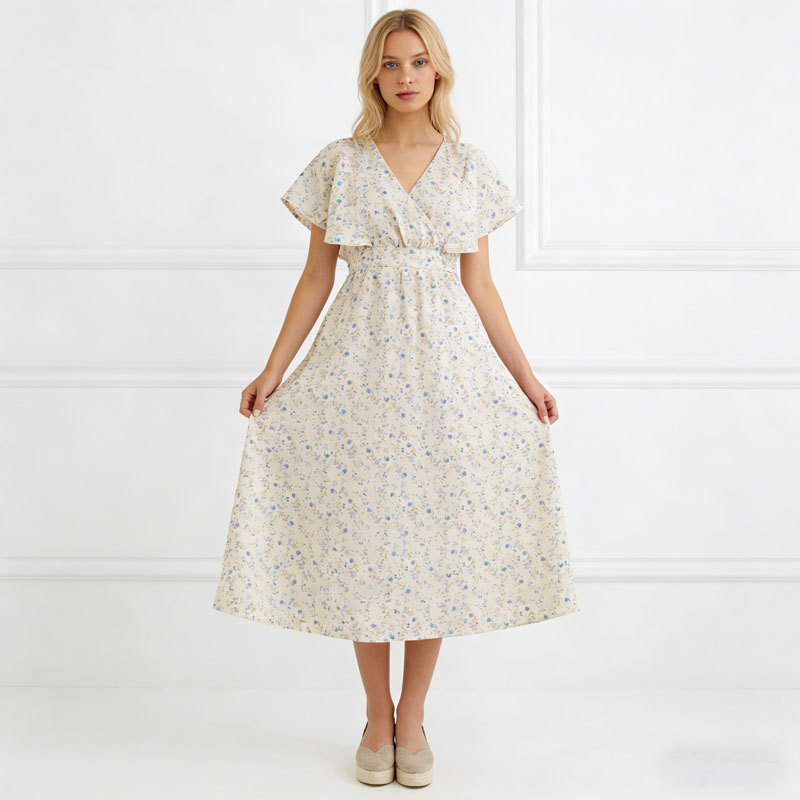
Best Linen Shirt Dresses for Effortless Styling
A linen shirt dress is the closest most wardrobes come to a one-piece outfit: button front, soft collar, and enough structure to look deliberate without trying. It works with flat sandals for a beach day, under a blazer for the office, belted for a dinner, and layered over a fine knit in spring. Because the style is so versatile, choosing the right one matters more than choosing many — the fit, the length, the collar, and the fabric weight decide how often you will actually wear it. This guide compares the best linen shirt dress options across those four dimensions, with sizing guidance, occasion-by-occasion styling, and a pre-order checklist, so you can pick the one that will earn its place in your rotation.
This guide is written for shoppers in Europe and North America who want one reliable warm-weather dress rather than a pile of rarely-worn ones. It covers relaxed and tailored fits, mini through maxi lengths, collar styles, fabric weights from light to structured, and honest notes on what linen will and will not do — creases included. Every recommendation is based on how linen actually behaves as a fabric, not on seasonal hype.
1. Why a Linen Shirt Dress Is the Effortless Base
The shirt dress is the most practical silhouette linen comes in, for three reasons that have nothing to do with trends. First, the button-front placket and collar add structure that most linen dresses lack — the fabric is relaxed, but the construction reads intentional, which is exactly the combination that makes "effortless" styling work. Second, a shirt dress dresses up and down further than any other linen dress style: flat sandals and a straw bag make it holiday wear; a slim belt and heeled sandals make it dinner wear; a blazer over it makes it office wear. Third, it is the most forgiving cut for linen's low-stretch character, because the front opening and adjustable waist give you room to move without the fabric pulling.
If you are choosing a first or only linen dress, a shirt dress is the highest-value choice for most people: it covers the most occasions per garment, which is the same logic as cost-per-wear. A well-made mid-weight shirt dress worn 40–60 times a year across three seasons typically outperforms two or three less versatile dresses in both cost per wear and wardrobe usefulness.
2. Fit First: The Silhouettes That Work
Fit is the single biggest decision in a linen shirt dress, because linen has almost no stretch. The cut does all the work. Four silhouettes cover most preferences, and each reads differently:
| Silhouette | How it fits | Best for | Watch out for |
|---|---|---|---|
| Relaxed A-line | Softly loose from the shoulder, gentle A-shape, no waist seam | Hot weather, holidays, easy all-day wear | Can look shapeless without a belt; add one at the waist |
| Straight / column | Falls straight from shoulder to hem, moderate ease | Smart-casual, work over trousers or with tights | Check hip and thigh ease when sitting and bending |
| Belted / self-tie | Defined waist via sash, ties, or belt loops | Dinner, city days, anyone wanting shape | Verify the belt is the same pre-washed linen so it does not shrink differently |
| Oversized / boyfriend | Deliberately roomy, dropped shoulder, longer sleeve | Layering, travel, casual styling | Wear with slim trousers or bare legs to avoid looking swamped |
The general rule for linen: choose your true size when the dress is pre-washed, and size up when it is not. Because linen does not stretch, the shoulders and the armhole matter most — a clean shoulder line keeps the dress looking intentional even when the body is relaxed. If you are between sizes or unsure, the KOSSR size questions FAQ explains how to measure a garment you already own and compare it with the product measurements instead of guessing from the model's height.
3. Length: Mini, Midi, or Maxi
The hem length changes the character of a shirt dress more than any other single detail. The same fabric, collar, and fit can read playful, classic, or dramatic purely from where the hem falls on your leg.
| Length | Typical hem position | Character | Styling notes |
|---|---|---|---|
| Mini | Upper to mid-thigh | Playful, youthful, holiday-ready | Wear with flat sandals or white trainers; add a belt to define the waist; check sit and wind coverage |
| Midi | Below knee to mid-calf | Classic, polished, most versatile | Works for office, travel, and dinner; pairs with heels, loafers, or flats; best all-round length for most heights |
| Maxi | Ankle or floor length | Dramatic, resort, evening-friendly | Verify the length at your height before buying; wear with heeled sandals for evening; long skirts catch wind |
Height is the variable most product photos hide. A maxi that skims the floor on a 178 cm model can puddle on a 160 cm wearer, and a midi can land mid-calf or at the ankle depending on your proportions. Before ordering, compare the garment's total length with a dress you already own — the measurement is on every KOSSR product page. As a practical starting point, if you want the safest single length, choose a midi that falls just below the knee or at mid-calf: it flatters the widest range of heights and covers the most occasions.
The table below is a starting reference for how length choices usually land across heights. Treat it as a guide, not a rule — your torso-to-leg ratio changes the result, which is why the garment measurement still matters most.
| Your height | Mini lands around | Midi lands around | Maxi lands around |
|---|---|---|---|
| Below 160 cm (petite) | Mid-thigh | Below knee to mid-calf | Ankle — verify floor clearance |
| 160–170 cm | Mid-thigh | Mid-calf | Ankle to floor |
| Above 170 cm (tall) | Upper thigh | Below mid-calf | Floor length — check it does not drag |
One practical tip: if you are petite and love the maxi look, look for a maxi with a defined waist or a shorter total length listed in the measurements — a floor-length dress that pools by 5 cm is a different garment from one that skims the ground. If you are tall and want a true maxi, check that the listed length reaches your ankle; many maxis are cut for an average-height model and can sit above the ankle on taller frames.
4. Collars and Necklines: Matching Style to Occasion
The collar is the second thing people notice about a shirt dress, and it quietly controls how formal the dress reads. Four collar types cover most of what you will find, and none is objectively better — each suits different necklines and occasions.
- Classic pointed collar with full button placket — the traditional shirt dress. Reads polished and work-appropriate; pairs naturally with a blazer and with jewellery at the neckline. If you have a fuller bust, check the button placket for gapping when seated — a hidden snap at the bust or a slightly roomier cut solves this.
- Mandarin or stand collar — a clean band collar without a full lapel. Modern, minimal, and slightly more casual; works well open at the top button or fully buttoned. A good choice if you want a shirt dress that does not look like officewear.
- Open / camp collar — a soft notched collar that lies flat, worn open over the collarbone. Relaxed and holiday-ready; suits bare accessories and layered necklaces, and flatters shorter necks.
- Button-down collar — small buttons hold the collar points in place. The most structured option; stays tidy under a blazer and reads smart-casual even in lightweight linen.
A simple occasion rule: the more collar structure, the more formal the dress reads. For an office-first wardrobe, choose a classic or button-down collar; for holiday and weekend wear, an open or mandarin collar keeps the look relaxed. If you are buying one dress for everything, the classic collar with a full placket is the most flexible — you can button it all the way for a modest, tailored look or open the top two buttons for a casual one.
Two fit details matter alongside the collar. First, the placket: on a fully buttoned dress, check that the placket lies flat across the bust when you sit down and reach forward — if the fabric gaps between buttons, the dress is too small across the chest or the placket is too narrow, and no styling trick fully fixes it. Second, the sleeve: a long-sleeve shirt dress with cuffs gives you rolled-sleeve and buttoned-cuff options, which is the easiest way to adjust the formality of the same dress between morning and evening. Sleeveless versions are cooler in a heatwave but offer fewer styling moves.
5. Fabric Weight: What 120, 160, and 190 gsm Feel Like
Fabric weight — measured in grams per square metre (gsm) — is the most useful number on a linen product page, and it is the one most listings omit. For a shirt dress, the weight determines opacity, drape, wrinkle behaviour, and how many seasons the dress can cover.
| Weight | Feel and behaviour | Best use | Honest limits |
|---|---|---|---|
| Light, ~120 gsm | Airy, fluid, moves easily; can be translucent in bright light | Peak summer, beach, layering | May need a slip; creases easily; less structure |
| Mid, ~140–160 gsm | Balanced: breathable with enough body to hold seams and shape | Everyday, travel, smart-casual — the most versatile range | Still a warm-weather fabric; pair with layers in spring |
| Structured, ~180–200 gsm | Substantial, holds crisp lines, less sheer | Office, tailored looks, cooler days, layered autumn wear | Feels heavier in a heatwave; stiffer until washed |
For a first shirt dress, the 140–160 gsm range is the safest recommendation for most climates in Europe and North America: it is opaque enough for most light colours, structured enough to look intentional, and light enough for genuine summer wear. If you live somewhere very hot and humid, drop toward 120–140 gsm and choose lighter colours. If you want one dress that also works under a blazer in spring and autumn, choose 160–180 gsm.
Opacity deserves a special mention: white and pastel linen in lightweight weaves can show underwear in direct sunlight. Mid-weight linen is generally fine, and a slip or a lining removes all doubt. When a listing states the gsm, you can make this decision before buying instead of discovering it on a sunny day.
Weight also shapes your wrinkle expectations, and it is worth being honest about this before you buy: all linen creases, and the creases are part of the fabric's character rather than a sign of poor quality. Lighter weights crease quickly and in softer folds; heavier weights hold crisper lines longer but still crease at the elbows and knees. If the idea of visible creases bothers you, choose a mid-weight dress, steam it before wearing, and accept that it will relax again within a few hours of movement — or choose a linen-cotton blend, which creases less. If you love the relaxed look, embrace the wrinkles and let the fabric do its thing.
Why pre-washing changes the weight question: unwashed linen can shrink 5–8% in its first wash, which effectively increases the fabric's density and can make a "light" dress feel tighter and heavier afterwards. Pre-washed linen (like all KOSSR linen) shrinks only about 1–3%, so the dress you receive stays close to its listed weight, size, and feel across years of washing.
6. Where to Wear: Occasion-by-Occasion Styling
One shirt dress should replace several single-occasion dresses. Here is how the same mid-weight dress moves through a week, with the styling changes that make each version work:
- Beach and holiday: wear it open as a light cover-up over a swimsuit, or buttoned over bare legs with flat sandals and a straw bag. Light colours and relaxed fits suit this best.
- Travel day: choose the midi in a mid-weight linen — it resists deep creasing better than ultra-light linen, packs small, and looks put-together straight off the plane. Trainers and a belt keep it practical.
- Office and smart-casual: add a structured blazer or a fine knit layer, swap flats for loafers or low heels, and keep the collar tidy. A classic or button-down collar works best here. Pair with the KOSSR linen trousers or a midi skirt if you want a layered work outfit.
- Dinner and evenings: belt at the waist, remove the casual layers, add heeled sandals and minimal jewellery. The open neckline and bare arms do the work.
- Spring and autumn: layer a fine knit underneath, add opaque tights and low boots, and finish with a wool or linen-blend coat. Heavier weights (160 gsm and above) extend the dress into cooler months.
The pattern behind all of these: one structured element (belt, blazer, structured shoe) plus one accessory that matches the occasion. Change the shoes and the bag and you change the dress entirely — that is the cheapest styling tool you own. For more outfit formulas, the KOSSR styling FAQ covers dressing linen up and down in more depth.
As a quick reference, the same dress moves through a week like this:
| Occasion | Dress setup | Layers and extras | Footwear |
|---|---|---|---|
| Beach day | Open as a cover-up or buttoned, relaxed | Swimsuit underneath, straw bag, sunglasses | Flat sandals |
| Travel day | Buttoned midi, belted | Light cardigan, crossbody bag | Trainers or flat sandals |
| Office | Classic collar, tidy hem | Blazer or fine knit, structured bag | Loafers or low heels |
| Dinner | Belted, top buttons open | Gold or silver jewellery, small clutch | Heeled sandals or mules |
| Spring / autumn | Mid-weight or heavier, layered | Fine knit underneath, tights, coat | Low boots or loafers |
7. Styling the Shirt Dress: Belts, Layers, and Shoes
Because linen shirt dresses come in relaxed silhouettes, styling is mostly about adding one point of structure. A few reliable moves cover almost every situation:
- Belt it at the natural waist. A slim leather or woven belt is the fastest way to give a relaxed A-line dress a shape. Match the belt tone to your shoes or bag for a cohesive look.
- Layer with purpose. A fine knit cardigan over the shoulders, a linen overshirt worn open, or a structured blazer all change the dress's formality. Keep the outer layer unbuttoned so the waist still reads.
- Choose shoes by coverage. The more skin the shoe covers, the more casual the look: flat sandals and trainers are relaxed, loafers and ballet flats are smart-casual, heeled sandals and mules are evening. Shoe choice is the single biggest formality lever.
- Use texture, not colour, for interest. A raffia bag, a woven belt, or layered necklaces add depth without competing with linen's natural texture. One textured accessory usually fixes a flat outfit better than another colour.
- Manage the sleeves. Rolled sleeves read casual and keep proportions light; buttoned cuffs read neater. Long-sleeve shirt dresses give you both options, which is one reason they out-earn sleeveless versions.
Opacity check: before wearing a light-coloured dress in daylight, hold it up to the light. If you can see through it, add a slip or lining layer rather than discovering it outside. This applies most to white, ivory, and pastel shades in lightweight linen.
Seasonal layering extends the same dress across three seasons. In late spring, wear it alone with a light knit over the shoulders. In summer, wear it open over a swimsuit or buttoned with bare legs. In early autumn, add a fine knit underneath, opaque tights, and low boots, and finish with a wool or heavier linen-blend coat. The same mid-weight dress that felt airy in July becomes a practical layer in October — which is exactly why weight and length choices matter more than buying several single-season dresses.
The one-colour trick: an all-neutral outfit — sand linen dress, tan belt, straw bag, nude sandals — always looks deliberate because the eye reads it as a single considered palette. It is the easiest reliable outfit you can build, and it is why neutrals dominate every capsule-wardrobe list.
8. The Pre-Order Checklist
Before you buy any linen shirt dress, run through this checklist. It takes two minutes and prevents the most common disappointments — wrong size, wrong opacity, and wrong weight:
- Composition. 100% linen, or a blend you can explain. Pure linen gives the full benefit set; a little elastane adds recovery in fitted styles; heavy polyester or viscose changes the character entirely.
- Fabric weight stated. The listing should give gsm. If it does not, ask. Target 140–160 gsm for a first all-purpose dress.
- Pre-washed or not. Pre-washed linen shrinks 1–3% and is soft from the first wear; unwashed linen shrinks 5–8% and arrives stiff. This changes your size choice.
- Garment measurements, not just S/M/L. Compare the chest, waist, hip, and total length with a dress you own. Shoulders and armhole matter most in linen.
- Opacity plan for light colours. White and pastel need mid-weight fabric or a slip. Check the gsm before choosing white.
- Collar matches your occasions. Classic or button-down for work, open or mandarin for casual, classic for one-dress-everything.
- Care is realistic for you. Linen wants cool washing and air drying. If you rely on a tumble dryer, choose pre-washed linen and low heat, or accept extra creasing.
- Returns and sizing help. Confirm the store's size-exchange policy before ordering, and use the size guide rather than guessing. Every KOSSR product page lists composition, weight, pre-wash status, and full measurements.
If a product page will not tell you the weight or whether the linen is pre-washed, treat the listing with caution — the information a seller omits is often exactly what you need for a long-term decision.
Finally, set your expectations before the first wear. New linen can feel crisper than the photos suggest, and the first wash softens it noticeably. A pre-washed dress is the lower-risk choice if you want the softness immediately and a predictable size. Whichever you choose, remember that linen is a fabric that rewards patience: it gets better with every gentle wash, and the dress you wear thirty times this summer will feel more comfortable than the one you wear twice.
Frequently Asked Questions About Linen Shirt Dresses
What length of linen shirt dress is most flattering?
For most heights and occasions, a midi that falls just below the knee or at mid-calf is the safest and most versatile choice. Mini suits casual and holiday wear; maxi is more dramatic and evening-friendly. Compare the garment's total length with a dress you already own, because the same "midi" lands differently at different heights.
Should I size up or down in a linen shirt dress?
Choose your true size when the dress is pre-washed, and size up when it is not, because unwashed linen can shrink 5–8% in the first wash. Linen has almost no stretch, so the shoulders and armhole matter most — a clean shoulder line keeps the dress looking intentional even in relaxed silhouettes.
How do I stop a white linen shirt dress being see-through?
Choose mid-weight linen (roughly 140–160 gsm or above) for white and pastel shades, or wear a slip underneath. Ultra-light linen below about 120 gsm can be translucent in direct sunlight, so check the listed weight before buying light colours.
Can I wear a linen shirt dress in the office?
Yes, with structure: choose a classic or button-down collar, keep the fit mid-weight and the hem midi, and add a blazer or fine knit with loafers or low heels. The button placket and collar are exactly what make a shirt dress read more polished than other linen dresses.
How should I care for a linen shirt dress?
Wash cool or cold on a gentle cycle with mild detergent, rinse well, and air dry. Iron or steam while slightly damp if you want a crisp collar. High heat and harsh detergent make linen stiff and shorten its life — the KOSSR linen care FAQ covers the full routine.
Do linen shirt dresses wrinkle a lot?
All linen creases — it is a characteristic of the fibre, not a flaw. Mid-weight linen (140–160 gsm) creases in softer folds and holds a tidy look longer than ultra-light linen. Steam before wearing for a crisper finish, or embrace the relaxed crinkle; most shirt dresses are designed to be worn slightly relaxed anyway.
Your First Linen Shirt Dress: The Short Version
Buy one mid-weight dress in a neutral colour, pre-washed, with a classic collar and a midi hem, and you have covered the beach, the office, the dinner, and the travel day with a belt, a blazer, and two pairs of shoes. Add a second dress only when you know which length and silhouette you actually reach for — most people discover they wear one shirt dress far more than several less versatile ones.
Browse the KOSSR linen shirt dress collection to compare fits, lengths, and fabric weights directly — every product page states the composition, the gsm, whether the style is pre-washed, and full garment measurements, so the information you need for a long-term decision is on the page before you order. For more style ideas, read our linen styling guides, or contact our team and we will help you match a dress to your height, climate, and occasions.