Best Linen Sleepwear & Pajamas for Hot Sleepers
- Share
- publisher
- KOSSR
- Issue Time
- Sep 6,2026
Summary
Yes - linen sleepwear works for hot sleepers, and this best-picks guide shows why and what to buy: hollow flax fibres move heat away, quick moisture release dries night sweats, and garment-washed linen softens each wash. Covers the four buying criteria, women's and men's picks from KOSSR homewear and lounge pieces, a 2 a.m. layering system, night-sweat and sensitive-skin advice, care and an honest fabric comparison. From KOSSR: 100% European flax, garment-washed, weight stated per product.
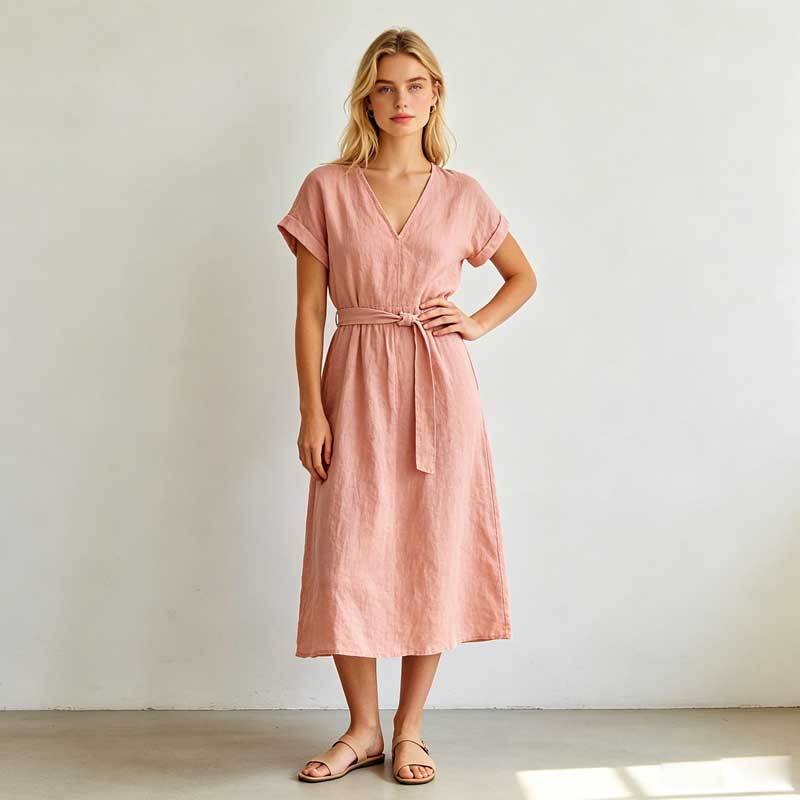
Best Linen Sleepwear & Pajamas for Hot Sleepers
Yes — if you sleep hot, linen is one of the most honest fabrics you can put on your body at night, and the short answer to "which sleepwear should I buy?" is: loose-fitting, garment-washed 100% linen in a soft mid-weight weave, in pieces you can layer or shed as your body temperature swings through the night. Linen works for hot sleepers for three concrete reasons. First, flax fibres are hollow, so the fabric moves air and carries heat away from the skin instead of trapping it like a synthetic blanket against your chest. Second, linen absorbs moisture quickly and releases it fast, which means the damp, sticky feeling of night sweats dries out instead of pooling against your back. Third, a garment-washed linen piece softens with every wash, so the same shirt that feels slightly crisp on day one becomes progressively gentler against skin that is already sensitive from heat and restlessness. This guide covers what actually makes linen sleepwear work, the fabric qualities to look for, how to build a women's and a men's linen sleep wardrobe from pieces that genuinely exist at KOSSR, how to layer for the 2 a.m. temperature drop, and how to care for linen sleepwear so it stays soft. KOSSR makes 100% European flax linen, garment-washed, with fibre composition and fabric weight stated on every product page — the honest numbers matter when you are choosing something that has to feel calm against your skin for eight hours.
Two honest caveats before the picks. KOSSR does not sell a separate range labelled "pajamas"; the sleepwear candidates below are its homewear, lounge and shirt pieces that do the sleepwear job well — a distinction that matters if you expect a branded pajama set with piping and a sleep shirt pocket. And no fabric cures night sweats or insomnia: linen makes the physical conditions better (cooler, drier, less irritating), which for most hot sleepers is exactly the help they need.
The Short Answer: Why Linen Sleepwear Works for Hot Sleepers
Body temperature does not stay flat while you sleep. It rises through the evening, peaks in the early hours of deep sleep, and drifts downward toward morning — and people who "sleep hot" feel every one of those shifts as a night of throwing covers off and pulling them back on. Sleep research commonly points to a bedroom around 18.3°C (65°F) as a comfortable target for most adults, but the fabric next to your skin matters just as much as the thermostat, because it is the layer that either helps your body shed heat or traps it.
Linen is flax made into cloth, and flax fibres are hollow along their length. That hollow structure is not marketing language — it is the physical reason linen breathes: air moves through the fabric, and the warmth your body radiates has a route away from your skin rather than a pocket to accumulate in. Compare that with a polyester or nylon sleep shirt, whose smooth synthetic filaments trap heat and moisture against the body, and the difference at 3 a.m. is not subtle. For a hot sleeper, the job of sleepwear is to be the least obstructive layer possible — cool to the touch, quick to dry, loose enough to let air move — and linen does all three without needing a chemical finish to fake the effect.
In short: you do not need linen sleepwear to be magical — you need it to be breathable, absorbent, quick-drying and loose. That is precisely the combination flax delivers naturally, which is why linen keeps showing up in honest discussions about hot-sleeper sleepwear rather than in gimmick marketing.
What to Look For: The Four Qualities That Make Linen Sleepwear Work
Not every linen garment makes a good night piece. The differences that matter at 2 a.m. are the same ones that matter in a warm climate at noon, only more so: weight, finish, cut, and trim. Here is the honest buyer's checklist, and every point below can be checked against the product page before you order.
- Soft, garment-washed finish first. Raw linen straight off the loom can feel stiff and rough — the last thing you want against skin at night. Garment washing (which KOSSR applies to all its linen) softens the fabric, relaxes the weave and removes most of the initial stiffness, so the piece is comfortable from the first wear and progressively softer after that. If a product page does not say the linen is washed or garment-washed, ask before you buy sleepwear from it.
- A light-to-mid weight, roughly 120–160 gsm. Heavier linen (180 gsm and up) has a lovely structured drape for daywear but can feel like a sheet of canvas across your chest in summer. For sleep, you want the lighter end of the range: enough body to feel like fabric, light enough to stay cool. KOSSR lists the exact weight on each product page, so you can compare rather than guess.
- A relaxed, non-binding cut. Sleepwear should not squeeze anywhere — not the shoulders, not the waist, not the wrist. Look for straight or relaxed silhouettes, dropped shoulders or roomy armholes, and elastic or cuffs that sit loosely. A piece that fits snugly for daytime styling will feel like a heat trap by hour three of sleep.
- Natural trims and minimal hardware. Buttons are fine (they are flax-friendly and cool); thick decorative zips, heavy elastic waistbands and synthetic lace trims can irritate skin and trap heat. For sleep, simpler is better — a plain button placket or a pullover shape beats a piece covered in hardware.
If you already own linen daywear, you can test the logic in reverse: a soft, garment-washed, light-mid-weight linen shirt that you already love wearing loose at home is very likely a comfortable sleep piece too — which is exactly how most people start sleeping in linen before they buy anything labelled sleepwear.
Reading a product page like a night shopper: check the composition line (100% European flax, not a blend — blends change how the fabric breathes and dries), the weight figure if it is shown, and the wash finish. A 100% flax, garment-washed piece at a light-mid weight in a relaxed cut is the sleepwear sweet spot; everything else on the page is secondary.
The Best Picks: Women's Linen Sleepwear From KOSSR's Real Range
KOSSR's catalogue is organised around dresses, tops, bottoms, sets, loungewear and men's pieces, and the honest way to shop it for sleep is to pick the softest, loosest, lightest pieces in the homewear and lounge categories. These are the women's options that map most directly onto a hot-sleeper sleep wardrobe, with the trade-offs stated plainly.
| KOSSR piece | Why it works as sleepwear | The honest trade-off |
|---|---|---|
| Linen homewear sets | Two-piece, relaxed, made for home — the closest thing in the range to a classic pajama set; easy to wash as a pair | Check the cut on your size: if the top is meant to be worn fitted, size up for sleep |
| Linen lounge sets | Soft, garment-washed separates designed for lounging; a top-and-bottom set gives you full-body linen coverage | Some lounge sets sit between "outfit" and "loungewear" — choose the looser silhouettes for sleeping |
| Linen lounge pants | A loose, breathable bottom half for people who cannot sleep in shorts or who sleep in cooler rooms | Look for a soft waistband; stiff or heavily elasticised waists defeat the comfort purpose |
| Linen camisoles | The lightest top option — minimal coverage, maximum airflow for very hot nights | Thin straps and a closer fit mean less air movement than a loose shirt; best for mild nights or with a fan |
| Linen button-up shirts | Worn loose and unbuttoned at the top, a soft washed shirt becomes a generous nightshirt | Buy one or two sizes up from your fitted size, and choose the softest finish in the range |
The most reliable formula is a two-piece set in a relaxed silhouette: a loose top and matching loose pants in soft garment-washed linen. It gives you full coverage without cling, and because the two pieces are sold together, the fabric weight and finish match — no surprise scratchy bottoms paired with a soft top. For the hottest nights, swap the pants for nothing at all and wear the top alone; for cooler nights, keep both pieces and add a layer (see the layering section below).
The Best Picks: Men's Linen Sleep Options
Men who sleep hot face the same physics, and the men's range at KOSSR translates into sleepwear just as easily — the trick is again choosing soft, loose, light pieces rather than the structured versions you would wear to an office. These are the picks that work, plus the one mistake to avoid.
- Men's linen shirts as nightshirts. A soft, garment-washed men's linen shirt in a relaxed fit, worn loose with the top buttons open, is the classic hot-sleeper night top. Size up from your fitted size so the shoulders and chest do not bind when you turn over.
- Linen bottoms for cool nights. If you sleep in a cooler room or run cold after midnight, men's linen pants in a relaxed cut give you breathable full-leg coverage without the clammy feel of cotton flannel or the heat of fleece.
- Men's linen shorts for the warm months. Loose linen shorts with a soft waistband are the honest summer choice — maximum airflow, minimal fabric, and they double as home shorts in the morning.
- Skip fitted and structured cuts at night. A tailored or slim-fit linen shirt that looks sharp under a blazer will pull across the back and shoulders when you sleep. Keep the structured pieces for daytime and buy the relaxed versions for bed.
The men's formula is simple: one loose washed shirt (top two buttons open) and either linen shorts in summer or relaxed linen pants in cooler months. That combination covers the full temperature range most men actually sleep in, and every piece in it earns its keep during the day too — which is the practical advantage of building sleepwear from a clothing range rather than buying single-purpose pajamas.
Layering for the 2 a.m. Temperature Drop: A Hot Sleeper's System
Most hot sleepers are not actually hot all night — they are hot when they fall asleep, then their core temperature drops in the early hours, and they wake at 3 a.m. cold and damp. The solution is not a heavier pajama (that repeats the overheating at the start of the night); it is a layer system built from breathable pieces that you can add and remove without fully waking up. Here is the system that works with linen sleepwear:
- Base layer: the lightest linen you own. A washed linen camisole, loose shirt or lightweight set. This is the layer that stays on all night and does the moisture work while you are warmest.
- Second layer: one relaxed linen piece kept within reach. A loose linen top, lounge pants or a soft shirt that you can pull on in the early hours without hunting in a drawer. Keep it folded on the foot of the bed or on a chair arm — reachable at 3 a.m. is the whole point.
- Outer layer: something you can kick off. A light linen layer or breathable cotton throw at the foot of the bed. When the 5 a.m. warmth returns, you shed the middle layer and keep sleeping.
- The fan or window rule. Moving air multiplies linen's effect — a ceiling fan on low or an open window makes the same sleep set feel several degrees cooler because the airflow helps the fabric release heat and moisture.
The discipline that makes this work is choosing every layer from breathable fabrics. A cotton or linen middle layer can be kicked off easily; a fleece or synthetic layer traps the heat you were trying to shed and leaves you damp when you push it away. If you want the deeper reasoning behind how linen handles warmth and airflow, our explainer on why linen clothing is breathable walks through the fibre structure in plain language.
Quick rule: if you wake up sweating, your base layer or room is too warm; if you wake up shivering, add the reachable middle layer before you go back to sleep. Linen's job is to make both adjustments quick and dry — you should never be lying in damp fabric either way.
Night Sweats, Sensitive Skin and the Comfort Question
Hot sleepers often have sensitive skin too — heat, sweat and restless movement are a recipe for irritation, and the wrong sleepwear makes it worse. Linen earns its place here for reasons that are structural rather than cosmetic. The hollow flax fibres keep sweat from pooling against the skin, which removes the damp environment where chafing and prickly heat start. The fabric is also naturally low-lint compared with many textiles, and because KOSSR's linen is garment-washed, it arrives without the chemical stiffness that some unwashed fabrics carry — though being honest, "garment-washed" means washed, not certified hypoallergenic, and anyone with a diagnosed skin condition should test a new fabric on a small area first.
- Dampness is the enemy, not sweat itself. Sweat is only irritating when it sits on the skin. Linen's quick moisture release keeps the skin surface drier, which most people with heat-sensitive skin notice within the first nights.
- Softness is a feature, not a bonus. A stiff fabric against skin that is already irritated from a hot night is a recipe for waking up scratchy. Garment-washed linen starts soft and, as our guide to whether linen gets softer over time explains, keeps improving with each wash.
- Wash before first wear. Washing any new sleepwear once before sleeping in it removes manufacturing residues and further softens the fabric — a cheap, sensible step for sensitive skin, and one linen tolerates well.
- Skip the fabric softener. Fabric softeners coat fibres and can reduce absorbency — the opposite of what you want in sleepwear. Linen softens naturally through washing; our guide to softening linen explains the methods that work without coating the fabric.
If comfort is the real question behind "is linen good for sleepwear?", the honest answer is: for most hot sleepers, yes — cooler, drier and progressively softer than synthetic sleep fabrics, provided you choose a washed, light, loose piece. Our FAQ on whether linen clothing is comfortable covers the everyday comfort picture in more depth.
How to Care for Linen Sleepwear (So It Stays Soft)
Linen sleepwear is low-effort to care for, but a few habits keep it soft and extend its life — and because you wash sleepwear more often than daywear (skin contact, sweat and all), the care routine is worth getting right. The good news: the care that keeps linen soft is also the care that keeps it cool.
- Machine wash on a gentle cycle at 30–40°C (86–104°F). Warm, not hot. Hot water is harder on flax fibres and unnecessary for sleepwear worn against clean skin. Our linen machine-washing guide has the full settings.
- Wash sleepwear more often than daywear, but not obsessively. Two to three wears between washes is reasonable for sleep pieces in most climates — sweat is mostly water and dries out — but wash sooner in hot, humid weather. Line drying between wears airs the fabric out.
- Line dry or tumble dry low. Linen dries fast — usually a few hours on a line — and air drying is gentlest on the fibres. If you use a dryer, keep it on low and remove the pieces slightly damp. Our guide to tumble drying linen explains what low actually means in practice.
- Do not iron sleepwear. Wrinkles are irrelevant when the light is off, and ironing adds heat and effort for zero nighttime benefit. If creases bother you for the moments before bed, hang the pieces overnight or give them a quick steam — our wrinkle-removal guide covers the fast methods.
- Expect and welcome the softening. Every wash softens linen a little more. Sleepwear that felt merely comfortable in week one often feels noticeably gentler by week four — the opposite trajectory of most synthetic sleepwear, which pills and stiffens with age.
One honest note on shrinkage: 100% linen can shrink slightly in the first wash if it has not been pre-shrunk. Because KOSSR garment-washes its linen, most of the shrinkage has already happened before the piece reaches you, but the safest habit is to wash sleepwear in cool-to-warm water from the start and follow the care label. Our FAQ on whether linen shrinks after washing explains why garment-washed linen behaves differently from raw linen.
[IMAGE_PLACEHOLDER] img prompt: A close view of hands folding a soft washed-ecru linen sleep set on a light linen cloth surface, wooden laundry pegs and a woven basket nearby, bright airy daylight, calm slow-living flat-lay photography
Linen vs the Usual Sleepwear Fabrics: An Honest Comparison
Linen is not the only breathable sleepwear fabric, and the honest way to recommend it is to compare it fairly with the alternatives a hot sleeper actually considers. The table below summarises how each fabric behaves across the qualities that matter at night. Fabric behaviour varies with weave and weight, so treat the rows as general guidance rather than absolute law.
| Fabric | Breathability | Moisture handling | Feel on skin | Care | Best for |
|---|---|---|---|---|---|
| Linen (flax) | Excellent — hollow fibres move air | Absorbs quickly, dries fast | Starts soft if washed; softens with every wash | Machine wash 30–40°C, line dry or low tumble | Hot sleepers, humid nights, sensitive skin |
| Cotton | Good | Absorbs well but dries slower than linen | Soft and familiar | Easy, forgiving | Mild sleepers who want a soft, cheap, familiar option |
| Cotton flannel | Moderate — brushed surface holds warmth | Absorbs but feels heavy when damp | Cozy and warm | Easy | Cold sleepers in winter, not hot sleepers |
| Bamboo viscose | Good | Good absorbency; drying depends on weave | Smooth, silky | Often needs gentle care | People who like a silky feel without silk's price |
| Silk | Good, but traps heat more than linen in humid air | Moderate; can feel clammy when sweaty | Luxurious and smooth | Hand wash or delicate cycle; delicate | Cool-room sleepers who prioritise luxury feel |
| Polyester / nylon blends | Poor to moderate — synthetic filaments trap heat | Often wicks but can feel clammy and hold odour | Varies; can feel clammy against skin | Easy | Travel (quick-dry) more than hot-sleeper comfort |
The pattern that matters for a hot sleeper: linen leads on the two qualities that define the problem — moving heat away and drying fast — while cotton leads on familiarity and silk on luxury. If your nights are dominated by overheating and waking up damp, the fabric comparison keeps landing on linen or a similarly breathable natural fibre, and linen does it at a care level and price that work for everyday sleepwear.
Frequently Asked Questions
Is linen actually cool to sleep in, or is that just marketing?
It is structural, not marketing. Flax fibres are hollow, which lets air move through the fabric and gives heat and moisture a route away from the skin. In practical terms, a loose linen sleep set feels noticeably cooler than a synthetic or heavy cotton one in a warm room, and it does not trap dampness the way smooth synthetic filaments do. The effect is strongest when the piece is loose, light (roughly 120–160 gsm) and garment-washed.
Will linen sleepwear feel scratchy against sensitive skin?
Unwashed, stiff linen can feel rough — which is why the wash finish matters more than the fibre itself. Garment-washed linen (the kind KOSSR makes) is softened during production, so it is comfortable from the first wear and gets softer with each wash. Wash new sleepwear once before wearing it, skip fabric softener (it coats the fibres), and if your skin is truly reactive, test the fabric against your inner forearm for a night before committing.
Does linen sleepwear wrinkle terribly?
Yes, linen wrinkles — and at night it genuinely does not matter. Soft creases from sleeping are invisible in the dark and irrelevant to comfort; unlike a day shirt, sleepwear does not need to look pressed. If you want it neat for the minutes before bed, hang it overnight or steam it quickly. Our wrinkle-removal guide covers the fast steam and hang methods.
How often should I wash linen sleepwear?
Most hot sleepers find two to three wears between washes works well in normal climates, because night sweat is mostly water and dries out between wears. In hot, humid weather or during heavy night sweats, wash more often — after every one or two wears. Wash on a gentle cycle at 30–40°C (86–104°F) and line dry or tumble dry low; each wash also softens the linen further.
What if I run cold after midnight — is linen still the right choice?
Yes, with layering. Keep the light linen base for the warm start of the night, and keep a second loose linen piece (or a breathable cotton throw) within reach for the early-morning temperature drop. The mistake is choosing one heavy sleepwear layer that overheats you at 11 p.m. so you can be warm at 3 a.m. — linen lets you adjust in both directions without lying in damp fabric.
The Two-Minute Summary: What to Buy for Cooler Nights
If you take one buying list away, make it this: one loose two-piece linen set in a soft garment-washed finish (homewear or lounge style) for standard warm nights, one light linen top (a camisole or loose washed shirt) for the hottest nights, and one relaxed linen bottom (lounge pants or shorts) for the cooler early hours. Choose 100% European flax at roughly 120–160 gsm, size up rather than down for sleep, and wash on gentle at 30–40°C so the fabric keeps softening. That system covers every stage of a hot sleeper's night with pieces that earn their keep during the day too.
Build Your Linen Sleep & Lounge Collection
Shop 100% European flax linen, garment-washed and soft from the first night — every product page states composition and weight, so you can choose the light, loose pieces that sleep cool.
Shop linen homewear sets · Shop linen lounge sets · Browse linen lounge pants