How Linen Clothing Supports Everyday Comfort
- Share
- Issue Time
- Jul 7,2026
Summary
Discover how linen clothing supports everyday comfort through breathability, moisture wicking, and temperature regulation. Learn the science behind linen's comfort, how to build a linen wardrobe, and why linen outperforms cotton and synthetics for daily wear.
Linen Lifestyle
How Linen Clothing Supports Everyday Comfort
Comfort is not just about soft fabric or loose fit. True everyday comfort comes from how a garment breathes with your body, adapts to your day, and stays with you from morning coffee to evening wind-down. Linen does all of this naturally.
Everyday comfort means different things at different moments. In the morning, it means reaching for something that feels good against your skin without thinking twice. Midday, it means staying cool while moving between air-conditioned spaces and warm outdoors. Evening comfort means fabric that does not cling, pinch, or restrict as you settle into the night. Linen delivers across all these moments because its qualities are physiological, not stylistic.
[IMAGE_PLACEHOLDER] img prompt: A woman wearing a loose linen dress sitting comfortably on a sofa in a bright living room, morning sunlight streaming through windows, relaxed home lifestyle photography
What Makes Linen Comfortable: The Science Behind the Feel
Linen's comfort is not subjective. It is measurable. Flax fibres, from which linen is made, have a hollow structure that creates natural micro-channels. These channels wick moisture away from the skin up to three times faster than cotton. When you sweat, linen pulls the moisture to the surface where it evaporates, leaving you dry rather than damp.
Linen also has one of the highest thermal conductivity ratings among natural fibres. This means it transfers heat away from your body quickly, which is why linen garments feel cool to the touch even on hot days. Research published in textile science journals shows that linen can reduce skin temperature by 3 to 4 degrees Celsius compared to synthetic fabrics in the same environment.
| Property | Linen | Cotton | Polyester |
|---|---|---|---|
| Moisture wicking | Excellent | Moderate | Poor |
| Breathability | High | Moderate | Low |
| Temperature regulation | Natural | Moderate | None |
| Hypoallergenic | Yes | Moderate | No |
| Durability | High (gets softer) | Moderate | High (stays same) |
Beyond the numbers, linen feels different because it interacts with your body's natural rhythms. Rather than trapping heat and releasing it later, linen maintains an equilibrium. This is why people who switch to linen often report that they simply stop noticing their clothing — the highest compliment for everyday comfort.
Everyday Scenarios Where Linen Excels
Comfort reveals itself in real situations, not fabric specifications. Here is how linen performs across a typical day.
Morning Rush
The first test of a comfortable garment is how it feels when you put it on. Linen reaches room temperature almost instantly, so there is no cold-shock against your skin on a warm morning. A linen shirt or linen dress slides on without static cling, which is common with synthetic blends. The fabric drapes immediately rather than sticking to your body.
[IMAGE_PLACEHOLDER] img prompt: A woman putting on a linen shirt in the morning, sunlit bedroom, natural lighting, casual everyday moment, warm tones
Midday Warmth
As temperatures rise, linen's breathability becomes its most valuable quality. While cotton can feel damp and polyester can trap heat, linen allows air to circulate freely. This is why linen garments are particularly effective for commuters, outdoor workers, and anyone who spends time in non-air-conditioned spaces during summer months.
KOSSR linen dresses and linen tops are cut with enough ease to allow airflow without looking baggy. The combination of fabric properties and thoughtful design means you stay comfortable even when the temperature climbs above 30 degrees Celsius.
Transitional Moments
Moving from outdoors to air-conditioned interiors is one of the biggest comfort challenges in modern life. Linen handles this transition better than most fabrics because it does not trap moisture against the skin. You enter a cool room without feeling damp and chilled. This makes linen ideal for travel, office commutes, and days that alternate between indoor and outdoor environments.
Evening Wind-Down
Evening comfort means fabric that does not bind, pinch, or restrict. Linen's natural drape and soft hand feel become more pronounced after a day of wear. The fibres relax and conform to your body's shape without losing their structure. A linen jumpsuit or a relaxed-fit linen set transitions naturally from a daytime outing to an evening at home without needing to change.
Did you know? Linen is the only fabric that gets stronger when wet. While most fibres lose 10 to 50 percent of their strength when saturated, linen actually gains about 30 percent in wet strength. This is why linen garments last longer through repeated washing and why they were traditionally used for sailcloth and workwear. For everyday clothing, this means your linen pieces will hold their shape and structure through many seasons of wear.
How Linen Adapts to Different Climates
One of the most underappreciated aspects of linen is its ability to adapt to different climates. This is not a summer-only fabric, despite common perception.
Humid Climates
In high-humidity environments, linen's moisture-wicking ability prevents the clammy feeling that cotton and synthetics produce. The open weave structure allows trapped heat to escape, making linen one of the few fabrics that feels genuinely comfortable in tropical weather. KOSSR linen tops and dresses are particularly suited for Southeast Asian, coastal, and summer Mediterranean climates.
Dry Climates
In arid environments, linen helps maintain a comfortable microclimate against the skin. The fabric does not conduct heat toward the body the way synthetic fibres can. Linen also resists static electricity, which is a common problem in dry conditions with polyester and nylon garments.
Cooler Climates
In cooler weather, linen layers effectively under wool, cashmere, or cotton knits. Because linen breathes, it prevents overheating when worn indoors with central heating. A linen shirt under a cardigan or a linen dress with a blazer creates a comfortable layered look without bulk.
Travelling Between Climates
Linen is the ultimate travel fabric because it works across climate zones. A single linen wardrobe — dresses, shirts, trousers, and a blazer — can carry a traveller through multiple environments without requiring a fabric change. This is why experienced travellers often build capsule wardrobes around linen.
[IMAGE_PLACEHOLDER] img prompt: A woman wearing a linen dress and carrying a straw bag walking through an airport terminal, travel outfit, natural lighting, warm tones
Care and Longevity: Comfort That Lasts
Comfort is not just about the first wear. It is about how the garment feels after ten washes, after a season of use, after being packed and unpacked for travel. Linen improves with use. The fibres soften with each wash, making the garment more comfortable over time rather than less.
To maintain your linen's comfort and appearance:
- Wash linen in cold or lukewarm water to preserve fibre integrity. Hot water can cause shrinkage on the first few washes.
- Air dry when possible. Tumble drying on low heat is acceptable but may accelerate softening beyond your preference.
- Iron while slightly damp for a crisp finish, or embrace the natural texture by skipping the iron entirely. Steam is the gentlest option for removing wrinkles.
- Store linen in a cool, dry place. Linen is naturally resistant to moths compared to wool, but proper storage extends the life of any garment.
- Avoid bleach, which weakens natural fibres. Oxygen-based stain removers are gentler alternatives for linen.
For detailed care instructions, visit the KOSSR Linen Care Guide. With proper care, a quality linen garment can last five to ten years or longer, making it one of the most durable natural-fibre clothing choices available.
Linen vs Other Fabrics for Everyday Comfort
| Factor | Linen | Cotton | Bamboo | Tencel |
|---|---|---|---|---|
| Moisture management | Best | Good | Good | Excellent |
| Temperature regulation | Best | Moderate | Moderate | Good |
| Durability (washes) | 500+ | 200-300 | 100-150 | 200-300 |
| Hypoallergenic | Yes | Moderate | Yes | Yes |
| Biodegradable | Yes | Yes | Yes | Yes |
| Softens with wear | Yes | Slightly | No | No |
The comparison makes one thing clear: while other natural fibres offer individual benefits, linen is the only fabric that combines breathability, moisture management, durability, and progressive softening into one textile. For everyday comfort, this combination is difficult to beat.
Building a Comfort-First Linen Wardrobe
If you are new to building a linen wardrobe for everyday comfort, start with the pieces that touch your skin most often and work outward. Here is a practical starting guide based on what KOSSR customers find most comfortable and versatile:
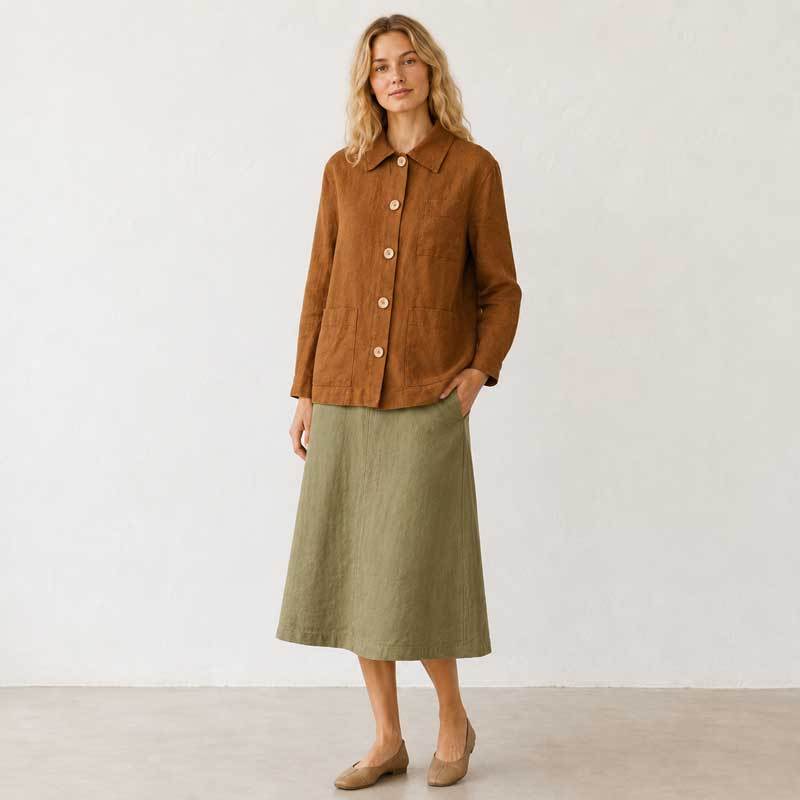
- Start with tops. A linen button-up shirt or a linen tunic is the most versatile first piece. It works alone in warm weather and layers under jackets in cooler months. KOSSR linen tops come in relaxed silhouettes that prioritise airflow.
- Add a dress. Linen dresses require minimal styling effort while delivering maximum comfort. A midi dress with side ties adjusts to your fit preference and works for most casual and smart-casual settings.
- Choose trousers wisely. Wide-leg linen trousers offer the best airflow, while straight-leg options provide a more polished silhouette. Both are significantly more comfortable than synthetic work trousers in warm conditions.
- Consider matching sets. Linen co-ords — matching top and bottom sets — eliminate the mental effort of coordination while delivering head-to-toe comfort. They are particularly effective for travel and vacation.
- Layer with a blazer or jacket. A linen blazer adds structure without weight and bridges the gap between casual and formal. It is the single most effective layering piece for linen wardrobes.
[IMAGE_PLACEHOLDER] img prompt: A neatly arranged linen wardrobe collection featuring shirts, dresses, trousers, and a blazer in neutral tones, organised closet, natural lighting, minimal aesthetic
Frequently Asked Questions About Linen Comfort
Does linen shrink?
Linen can shrink 3 to 5 percent on the first wash, especially if washed in hot water. To minimise shrinkage, wash in cold or lukewarm water and air dry. KOSSR linen garments are pre-washed in production to reduce initial shrinkage.
Is linen comfortable in winter?
Yes. Linen works as a breathable base layer under knitwear and coats. Its moisture-wicking properties prevent sweating and chill, making it comfortable in layered winter outfits.
Does linen get softer over time?
Yes. Linen fibres soften with each wash and wear. This is one of linen's unique qualities — it becomes more comfortable the more you use it. Many KOSSR customers report that their favourite linen pieces are their most washed ones.
Is linen good for sensitive skin?
Linen is naturally hypoallergenic and contains no chemical residues from production. Its smooth fibre surface reduces friction against the skin. It is one of the best fabric choices for people with eczema, allergies, or general skin sensitivity.
Experience Everyday Comfort with KOSSR
KOSSR linen clothing is designed for real life — breathable dresses, soft tops, relaxed trousers, and versatile sets that make everyday comfort effortless. Explore the collection and find your new favourite pieces.
Shop KOSSR