How to Choose Linen Clothes That Last | KOSSR Buying Guide
- Share
- Issue Time
- Aug 14,2026
Summary
Learn how to choose linen clothes that last: check fabric weight, weave density, seams and finishing, pre-washed linen, fit, and the care routine that keeps garments wearable for years.
How to Choose Linen Clothes That Last
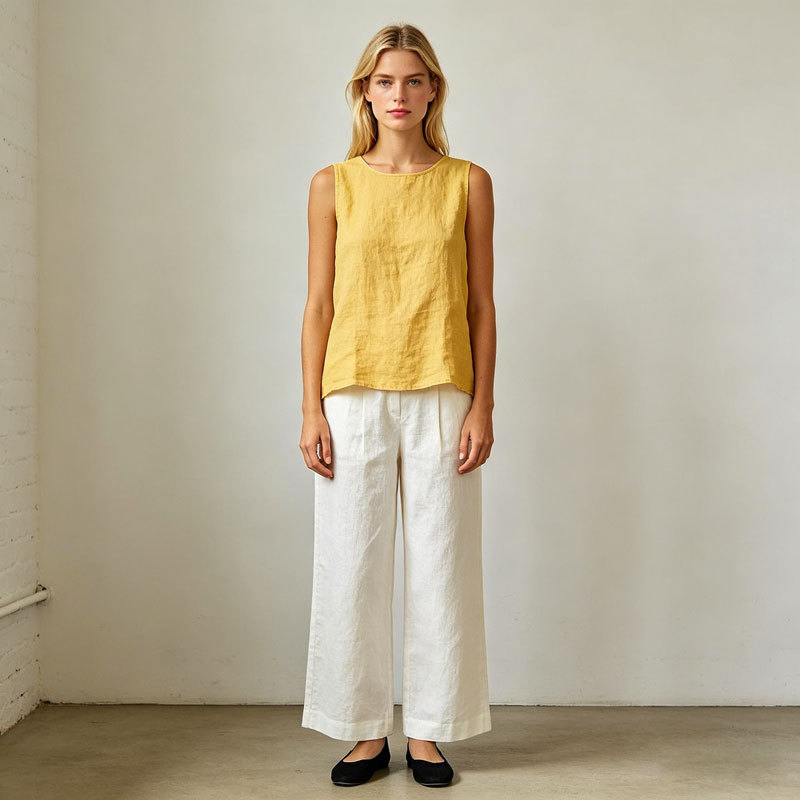
A linen garment lasts when four things are right: the fabric weight, the weave and construction, the finishing, and the way it is cared for. Linen is a strong natural fibre — flax fibres are among the longest and strongest plant fibres used in clothing — but a shirt made from thin, loosely woven linen will not survive the way a well-constructed one does. This guide explains how to judge linen quality before you buy, what to check in the garment details, which fabric weights suit which seasons, and the care routine that keeps linen looking good for years. It is written for shoppers in Europe and North America who want clothing that lasts more than one season.
This guide is practical, not promotional. It covers grammage (gsm) ranges, weave types, seam and button construction, pre-washed versus unwashed linen, fit and shrinkage, and the care mistakes that shorten a garment's life. Where specific numbers are used, they reflect standard linen industry ranges rather than a single brand's claims.
1. Why Some Linen Clothes Last and Others Do Not
Linen has a reputation for durability, and that reputation is earned at the fibre level. Flax fibres are long, strong, and naturally resistant to abrasion, which is why linen was historically used for things like sails and upholstery before it became a fashion fabric. But the fibre is only one part of the story. A garment made from high-quality flax can still fail quickly if the fabric is woven too loosely, the seams are weak, or the garment is washed aggressively.
The practical way to think about durability is in layers. The fibre determines the ceiling — how strong the material can be. The weave determines how much of that strength the fabric actually uses in daily wear. The construction determines whether the garment holds together at seams, buttons, and hems. And care determines whether the fabric's structure survives repeated washing. A smart shopper checks all four, and this guide walks through each layer in order.
2. Fabric Weight: The First and Most Important Signal
Fabric weight is measured in grams per square metre (gsm), and it is the fastest single indicator of how substantial a linen fabric is. Lighter linen feels airy and drapes softly; heavier linen feels more structured and generally wears longer because there is simply more fibre in every square metre to resist abrasion and hold its shape.
| Weight range | Feel and drape | Best suited to | Durability note |
|---|---|---|---|
| ~120–140 gsm | Very light, sheer-ish, soft and fluid | Summer blouses, scarves, light shirts | Best with careful handling; most delicate end of the range |
| ~140–180 gsm | Light but present, comfortable drape | Shirts, blouses, summer dresses | Good all-purpose range; durability depends on weave density |
| ~180–220 gsm | Substantial, structured, holds shape | Trousers, jackets, heavier dresses, skirts | Most durable range for daily wear and travel |
| 220+ gsm | Heavy, crisp, very structured | Outerwear, upholstery-weight garments | Very durable but can feel stiff until washed |
A few practical rules of thumb. For an everyday shirt you will wash often, prefer at least 140 gsm. For trousers you will sit in and move around in all day, 180 gsm and above wears better. For a summer dress, 140–180 gsm balances drape with durability. Many online listings state the gsm; when they do not, you can judge density by the weave (the next section) and by how the fabric falls in the product photos.
3. Weave Density and Fabric Structure
Weight tells you how much fibre is there; the weave tells you how tightly it is packed. Two shirts at the same gsm can feel and wear completely differently if one is woven loosely and the other tightly. Hold a linen fabric up to the light and look at the weave — a durable linen shows a clear, even grid of threads with small, uniform gaps. A loosely woven linen shows larger, uneven gaps, and it will stretch, snag, and wear through faster at high-friction points like elbows and thighs.
- Plain weave: the most common linen construction — each weft thread passes over and under each warp thread. It is stable, breathable, and hard-wearing when the thread count is reasonable. Most quality linen shirts and dresses use a plain weave.
- Basket or canvas weaves: heavier and more textured, used for jackets, trousers, and home textiles. Very durable, though less fluid.
- Loose or slubby weaves: fashionable in lightweight summer blouses. Slub (irregular thread thickness) is a natural linen characteristic and not a defect, but an overall loose weave reduces durability. Choose loose weaves for pieces you will wear gently, not for everyday workhorses.
A quick test shoppers can do at home: pinch the fabric and rub the surface between your fingers a few times. A well-woven linen stays smooth and holds its structure; a weak one develops fuzz or pills quickly. This is not a scientific test, but it separates sturdy linen from fragile linen faster than any label.
4. Pre-Washed vs Unwashed Linen: A Decision That Affects the Whole Life of the Garment
One of the most practical buying decisions is whether the linen is pre-washed (also called garment-washed or washed linen) or unwashed. This changes how the garment fits, feels, and shrinks after you bring it home.
| Characteristic | Pre-washed linen | Unwashed linen |
|---|---|---|
| Feel at first wear | Softer, relaxed, slightly lived-in | Crisper, stiffer, more structured |
| First-wash shrinkage | Typically 1–3%, mostly already taken out | Typically 5–8%, most of it on the first wash |
| Fit predictability | High — what you buy is close to what you keep | Lower — the garment changes after the first wash |
| Colour and texture | Slightly softened surface, more matte | Sharper colour, more defined weave |
Neither is "better" — they suit different preferences. Pre-washed linen is the easier choice for most shoppers because the fit you choose is the fit you keep, and the fabric is comfortable from day one. Unwashed linen appeals to people who want a crisper look and are happy to wash and iron the garment a few times as part of the process. Either way, check the product page or ask the seller which finish the garment uses before choosing a size. The size questions FAQ covers how shrinkage affects sizing decisions.
There is one more finishing detail worth checking: whether the fabric is stone-washed, enzyme-washed, or garment-dyed. These processes are used to achieve a softer hand or a specific colour, and they are not quality defects. However, they do mean the fabric has already gone through additional mechanical or chemical treatment, which slightly softens the weave. This is perfectly fine for most clothing — just keep it in mind when comparing two pieces at the same weight, because a heavily washed piece will feel softer but may also show wear slightly sooner than an untreated piece of the same density.
5. Construction: What to Check in the Seams, Buttons, and Hems
Fabric quality gets most of the attention, but construction decides how long a garment physically holds together. You do not need to be a tailor to check the basics — a two-minute inspection of the details tells you a lot about overall quality.
- Seams: look at the inside. Clean, straight seams with even stitching and finished edges (overlocked, French, or felled seams) last far longer than raw edges that will fray. Run your hand along the seams — you should not feel loose threads or gaps.
- Buttonholes and buttons: buttonholes should be densely stitched and firm at both ends. Buttons should be securely attached — ideally with a thread shank so they do not pull through the fabric. On linen, buttons that sit directly against the placket without a shank can strain the fabric over time.
- Hems: check that hems are even and generously turned (at least 1 cm is common on quality garments). A skimpy hem pulls and distorts with washing.
- Reinforcement at stress points: good garments reinforce the crotch seam, underarm, and pocket corners. These are the first places a weaker garment fails.
- Fabric alignment: on patterned or striped linen, check that the pattern matches at the seams. It is a cosmetic point, but it correlates with the maker's attention to construction overall.
If you are buying online, you cannot inspect in person, so use the information that is available: product photos that show the inside or close-up details, material and weight specifications, and honest descriptions of construction. A listing that cannot state the fabric weight or finishing details is a weaker signal than one that can.
It is also worth reading the reviews for what they actually say about durability — not just whether buyers like the colour. Comments such as "the seams are holding up after a year", "no pilling after several washes", or "the buttons are solid" are useful durability signals. Comments such as "the fabric snagged on the first wear" or "the hem came unstitched" are warnings you will rarely see in the product description. Real-world reports from people who have owned the garment for months are one of the best durability tests available, and they cost nothing to read.
6. Fit and Ease: How Garment Shape Affects Lifespan
Fit affects durability more than most people realise, because a garment that is too tight is being stretched and strained every time it is worn. Linen has almost no stretch, so a tight linen shirt or pair of trousers works hard at the seams, button plackets, and fabric under stress — and those are exactly the places that wear out first.
The practical rule is to choose linen in a relaxed or true-to-size fit rather than a compression fit. You want enough ease to sit, bend, and move without the fabric pulling taught. This is also why many people size up in linen, or choose styles described as relaxed — the extra ease is not a style compromise, it is a durability choice. A garment that is not strained wears longer and keeps its shape better through repeated washing.
When you compare sizes, look at the garment measurements (chest, waist, hip, length) rather than only the size letter. Size charts differ between brands, and the measurement is what actually determines how the garment sits on your body. If a style runs small or you are between sizes, the size questions FAQ linked above explains how to decide.
Think also about how the garment will be used before you choose the fit. A shirt you will wear untucked over summer days can be a size up, relaxed and easy. The same shirt worn tucked into tailored trousers reads better in your regular size, because the tuck needs enough fabric to stay put without bunching. Rather than buying one shirt in one fit, it can be useful to think about the two or three outfits the garment will serve, then choose the fit that serves the most demanding one. A garment that fits well in its main role is more likely to be worn, and worn clothing that is not strained is clothing that lasts.
7. The Care Routine That Makes Linen Last
No fabric survives harsh care, and linen is more forgiving than most — but it rewards simple, consistent treatment. The single biggest durability mistake with linen is high heat: hot water, hot drying, and hot ironing all weaken flax fibres and make the fabric stiff and brittle over time. The routine below is the one that keeps linen soft and intact for years.
- Wash cool or lukewarm on a gentle cycle with a mild detergent. Hot water is not needed for linen and shortens its life.
- Skip the tumble dryer when you can. Air drying is gentlest. If you must tumble dry, use low heat and remove the garment while slightly damp.
- Iron while damp if you want a crisp finish. Linen irons best when it is still slightly moist; dry linen needs steam and higher heat, which stresses the fabric more.
- Store it loosely. Hang shirts and dresses, fold knit-weight linen, and keep everything out of direct sunlight for long periods to avoid fading.
- Wash less often when possible. Linen resists odour and freshens with airing. Washing every wear is unnecessary and accelerates wear; airing between wears is a normal part of linen care.
Care instructions vary by garment, so follow the label first. The full washing, drying, and storage routine is explained in the linen care FAQ, and the Linen Care guide on the blog goes deeper into stain handling and ironing technique.
One point worth repeating because it saves garments: treat stains promptly and gently. Linen absorbs liquids quickly, so a stain that is left to set is much harder to remove later. Rinse the spot with cool water, dab (do not rub) with a mild detergent, and wash as usual. Rubbing a stain into linen can push it deeper into the weave and damage the surface fibres. For stubborn marks, a gentle soak in cool water with a small amount of detergent usually works better than aggressive scrubbing or bleach, which can weaken the fabric and lighten the colour unevenly.
Seasonal storage also matters for longevity. Before putting linen away for winter, make sure it is clean — residues left in the fabric attract pests and set into yellowing over months of storage. Fold or hang in a cool, dry, dark place, and avoid plastic garment bags, which trap moisture. Moths are rarely attracted to clean linen, but they are attracted to sweat and food residues, which is one more reason to store only clean garments.
8. Price, Value, and What "Lasts" Really Costs
Linen clothing costs more than most casual fabrics, and the reason is the raw material and processing: flax cultivation is relatively low-input but labour-intensive, and linen production involves more handling steps than cotton. A reasonable question is whether the higher price is worth it for clothing you want to keep for years — and the honest answer is that it depends on the garment's quality, not its label.
Think of durability as cost per wear. A well-made linen shirt at a higher price that you wear across five summers, washed gently, can end up cheaper per wear than a thin linen-blend top that loses its shape after a few washes. The numbers matter less than the pattern: quality linen is a buy-once proposition, cheap linen is often a buy-twice one. That said, price alone is not a quality signal — a premium price does not guarantee dense weave or good construction. Use the checks in this guide (weight, weave, seams, finishing, pre-washing) instead of relying on price or brand names alone.
For a wardrobe that lasts, choose a few well-constructed pieces in neutral colours and care for them properly, rather than many thin pieces. The linen clothing FAQ explains the benefits and limits of linen honestly, and the Linen Lifestyle blog covers building a durable, simple wardrobe.
A useful habit is to track what actually wears out in your wardrobe. After a season, notice which garments still look fresh and which have faded, pilled, or lost their shape — then look back at what you paid and how you cared for them. Most people find a clear pattern: the pieces that lasted were the ones with enough fabric weight, enough ease, and gentle care. Over time, this personal record becomes a better buying guide than any single recommendation, because it is based on your own body, your own washing habits, and your own climate.
9. Quick Checklist Before You Buy
Use this checklist when comparing linen garments, whether online or in a store. You do not need every box ticked — the goal is to notice which boxes are not ticked and decide whether that matters for how you will wear the piece.
- Fabric weight is stated and suits the garment type (140+ gsm for shirts, 180+ gsm for trousers).
- The weave is even and dense enough to hold its structure when rubbed or held to light.
- The garment is pre-washed, or you have accounted for first-wash shrinkage in sizing.
- Seams are finished, even, and free of loose threads; buttonholes are densely stitched.
- Buttons are securely attached, ideally with a shank.
- Hems are even and generously turned; stress points are reinforced.
- The fit leaves enough ease to sit and move without straining the fabric.
- Care instructions match the gentle routine linen needs.
- You know the fibre content — 100% linen, or a blend you actually want.
If you are comparing specific garment types, the linen tops and linen bottoms collections show how weight and construction vary by style.
Linen Durability FAQs
Is linen durable?
Yes. Flax fibres are strong and resistant to abrasion, and quality linen garments can last for years. Durability depends on fabric weight, weave density, construction quality, and care — a heavy, well-made piece outlasts a thin, loosely woven one regardless of brand.
Does linen get softer over time?
Yes. Linen softens with repeated gentle washing and wear, which is one reason quality linen improves with age. The softening is gradual and does not weaken the fabric when care is gentle.
How long should linen clothing last?
With gentle care, a well-constructed linen garment can comfortably last five years or more of seasonal wear. The main factors are fabric weight, weave density, and how the garment is washed and dried.
Why does my linen shirt wrinkle so much?
Wrinkling is natural to linen and not a sign of poor quality — it is a characteristic of the fibre. If you prefer fewer creases, iron while damp, or choose a linen-cotton blend, which creases less.
Is 100% linen better than a linen blend for longevity?
Not automatically. Pure linen is strong but creases more and has no stretch; blends add comfort and reduce creasing but can wear differently. For durability, weight and construction matter more than the blend percentage.
Choose Linen That Earns Its Place
KOSSR makes breathable linen clothing for women — shirts, dresses, trousers, and sets in natural and neutral colours, with fabric weight and finishing details described honestly. Browse the linen tops and linen bottoms collections, or contact us with questions about weight, sizing, or care before you order.