Washed Linen vs Regular Linen: What's the Difference? | KOSSR Buying Guide
- Share
- Issue Time
- Aug 6,2026
Summary
Washed linen is pre-softened and pre-shrunk for relaxed comfort from day one; regular linen stays crisp, shrinks 5-8% on first wash, and softens over time. See the honest comparison and buying checklist.
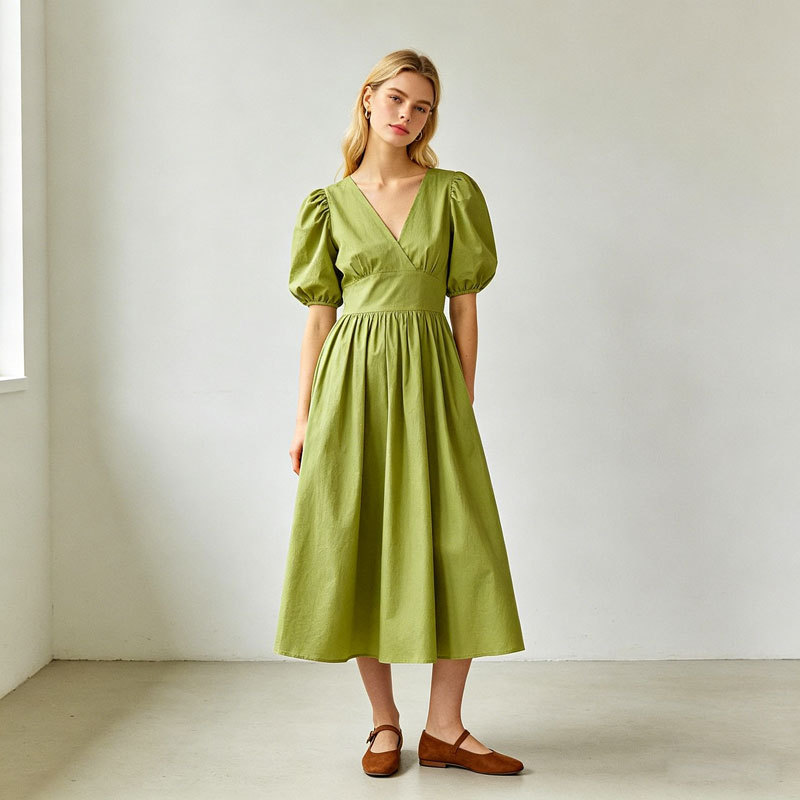
Washed linen and regular (unwashed) linen are the same flax fibre at different stages of finishing — and that difference changes how the fabric looks, feels, shrinks, and ages. Washed linen has been machine-washed, stone-washed, or enzyme-washed during production, which softens the fibres, removes most shrinkage, and gives it that relaxed, lived-in drape. Regular linen is sold in its "crisp" state: stiffer, more structured, prone to 5–8% shrinkage on first wash, and designed to soften gradually over the first few washes. Neither is objectively better — they are two distinct fabric characters. This guide explains exactly what "washed linen" means on a label, how the two fabrics compare across hand-feel, shrinkage, drape, durability, and care, and how to choose the right one for your wardrobe.
This guide is for shoppers and buyers deciding between washed and regular linen — whether you are choosing a summer dress, shirt, trousers, or bedding, or sourcing linen garments for a brand. We cover the finishing process, honest side-by-side comparison, label-reading tips, and the questions worth asking before you buy.
1. What "Washed Linen" Actually Means
"Washed linen" is not a different fibre or weave — it is a finishing treatment applied after the fabric is woven. The cloth is washed in industrial machines with water and sometimes pumice stones (stone-washing) or enzymes (enzyme-washing), then dried. This process does three things to the fabric:
- It softens the fibres. The agitation relaxes the flax yarns, producing the supple hand-feel that washed linen is known for.
- It removes most shrinkage. Because the fabric has already been shrunk during finishing, the finished garment shrinks far less in your own washing machine — typically 1–3% instead of 5–8%.
- It changes the surface. Washing softens the crisp edges of the weave, giving a slightly more matte, textured, and "lived-in" appearance.
Regular linen skips this step. The garment is cut and sewn from crisp, unfinished fabric, which means it arrives stiff and structured, and the customer experiences the shrinking and softening over the first few washes at home.
Key point: a label that says "washed linen," "stone-washed linen," or "pre-washed linen" means the fabric was washed before sewing. "Garment-washed" means the finished garment was washed after sewing, which achieves a similar effect. Both are different from regular linen, which has had no such treatment.
It is also worth understanding what the washing does at the fibre level at the fibre level, because that explains everything else about the fabric. Flax fibres are bundles of cellulose held together by natural pectins. In their raw state the fibres are stiff and the yarns sit tight against each other. Industrial washing — with water, mechanical agitation, and sometimes enzymes or pumice — relaxes the yarn twist, softens the pectins, and lets the weave settle into a looser, more flexible structure. The fabric literally relaxes: it becomes softer, slightly more open, and permanently "broken in." This is not damage; it is the same change that would happen over months of home washing, compressed into a single production step.
The second effect is shrinkage. Wetting and agitating flax causes the yarns to tighten and the fabric to draw in — this is the 5–8% shrinkage you get when you wash regular linen at home. When the manufacturer does this washing before cutting, the fabric shrinks to its final dimensions first, and the garment is then sewn from already-stable cloth. That is why washed linen arrives true to size and stays there.
2. Side-by-Side: Washed Linen vs Regular Linen
Here is the comparison that matters for everyday decisions. These differences are the same across brands because they come from the finishing process itself, not from any particular manufacturer:
| Property | Washed Linen | Regular (Unwashed) Linen |
|---|---|---|
| Hand-feel at purchase | Soft, supple, relaxed — comfortable from the first wear | Crisp, firm, structured — softens over the first 3–5 washes |
| Shrinkage risk | Low (roughly 1–3%) | Higher (roughly 5–8% on first wash if not pre-shrunk) |
| Drape & silhouette | Fluid, relaxed, follows the body loosely | Structured, holds shape, more tailored look |
| Wrinkling | Wrinkles, but in a soft, natural way that is part of the look | Wrinkles more visibly when crisp; holds creases |
| Texture | More matte, slightly pebbled, lived-in surface | Smoother, more even, with visible crisp slub |
| Durability | Same flax strength; slightly softened fibres | Same flax strength; fibres at full stiffness |
| Price | Usually slightly higher — extra finishing step | Usually slightly lower |
| Best for | Relaxed everyday wear, travel, resort, casual dresses | Tailored shirts, structured blazers, first-impression looks |
The most practical difference for most buyers is the first-wash experience. is the first-wash experience. With washed linen, what you try on is close to what you get for years. With regular linen, the garment changes noticeably in the first few washes — it softens, relaxes, and can shrink — so sizing and expectations need to account for that.
One point that surprises many buyers is that "crisp" does not mean "new" and "soft" does not mean "worn." Both finishes are brand new. The crispness of regular linen is simply the natural state of freshly woven flax; the softness of washed linen is the same fabric after a deliberate finishing step. Neither indicates quality or age, which is why judging linen by hand-feel alone can mislead you — a stiff garment is not necessarily higher quality than a soft one, and vice versa.
3. Which One Should You Choose?
Choose based on how you want the garment to behave, not on which is "higher quality" — both are real linen made from the same flax:
Choose washed linen if you want:
- Comfort from the first wear — no break-in period, no surprise shrinkage.
- A relaxed, casual, resort-style look that reads as effortless.
- Travel-friendly pieces you can pack, wash at your destination, and wear immediately.
- Confidence in size: washed linen's low shrinkage makes sizing more predictable.
Choose regular linen if you want:
- A crisp, structured, tailored appearance — sharp collars and defined silhouettes.
- To experience the fabric's evolution as it softens and molds to your wear over time.
- A lower upfront price, with the understanding that you manage the first washes yourself.
- Garments like blazers or structured shirts where a firm drape matters.
Our honest advice: for most everyday summer clothing — dresses, shirts, pants — washed linen is the more satisfying purchase for most people, because the fabric performs as expected from day one. Regular linen is the right choice when structure and crispness are part of the design intent, and when the buyer is prepared for the break-in period.
If you are still undecided, think about the garment's job. A linen blazer or a button-down you will wear to the office benefits from the structure of regular linen, because the fabric holds a line. A sundress, a relaxed shirt, or anything you will wear on holiday is almost always better in washed linen, because comfort and ease are the point. And if you are choosing between them for a gift or an online purchase where you cannot try before you buy, washed linen is the lower-risk option: it will not shrink away from the size you ordered.
4. How to Read Labels and Avoid Confusion
The word "linen" on a label tells you the fibre, but not the finish. To know whether you are buying washed or regular linen, look for these clues:
- Explicit wording: "washed linen," "pre-washed," "stone-washed," "garment-washed," or "enzyme-washed" all indicate a washing treatment. Plain "linen" or "100% linen" usually means regular, unfinished linen.
- Composition line: "100% linen" confirms the fibre; if it says "linen blend," the second fibre changes behaviour entirely (see our 100% linen vs blend guide for that comparison).
- Care label: a garment expected to shrink will often specify cold wash and line dry; washed linen tolerates machine washing more comfortably.
- Ask the seller: a reliable store will tell you whether the piece is pre-washed and what shrinkage to expect. If the answer is vague, treat the garment as regular linen and size accordingly.
At KOSSR we disclose this directly on every product page — whether a style is pre-washed, its exact fibre composition, and its fabric weight — so you are not left guessing about the finish.
There are also two common misconceptions worth clearing up. The first is that washed linen is somehow "pre-worn" or lower grade. It is not — it is freshly finished fabric that has simply had its first wash done for you. The second is that regular linen will stay crisp. It will not: every wash moves it toward the same relaxed character as washed linen, so the difference between the two finishes narrows over time. You are not choosing between two permanent states; you are choosing whether the break-in happens in the factory or in your own washing machine.
5. Care Differences: Washed vs Regular Linen
The care routines differ mainly in the first washes, then converge:
- First wash of regular linen: wash in cold water (30°C or below) to minimise shrinkage, and line dry. Expect the fabric to soften and relax noticeably.
- First wash of washed linen: a normal cold or warm machine wash is fine; shrinkage is already mostly done, so there are no surprises.
- Both fabrics after that: wash at low temperature, avoid high-heat tumble drying (air dry or low heat), and iron on medium heat while slightly damp if you want a crisper finish. Linen responds beautifully to ironing — it is one of the few fabrics that looks better pressed.
- Long-term: both become softer with each wash, and both benefit from gentle detergents that do not strip the natural fibres.
Neither fabric is "hard to care for" — linen simply prefers cooler water and gentler drying than cotton or synthetics. If you follow these basics, both washed and regular linen garments last for years.
One practical note for regular linen owners: if you want to pre-shrink a regular-linen garment yourself without damaging it, wash it once in cold water and line dry it before you start wearing it regularly. This single first wash removes most of the remaining shrinkage, after which the garment behaves almost like washed linen — minus the softness, which develops over the next few washes. This is also a useful trick if you bought regular linen slightly oversized on purpose.
6. What About Price and Durability?
Washed linen typically costs a little more because the finishing process adds a production step and the fabric needs more raw material to allow for shrinkage during processing. The premium is usually modest — a few percent of the garment price — and it buys convenience and predictable sizing.
On durability, the two are effectively equal. Both are made from flax, which is roughly twice as strong as cotton. Washing softens the surface of the fibres but does not weaken the fabric meaningfully; in fact, the relaxation of the weave can reduce stress on individual yarns over time. The practical difference is appearance over time: washed linen keeps its relaxed character, while regular linen transitions from crisp to relaxed as you wash it — both age well, just in different directions.
For buyers sourcing linen garments in quantity, the decision affects sampling too: a washed-linen sample will show the final drape and shrinkage behaviour immediately, while a regular-linen sample changes after the customer's first wash. If you are comparing options, ask for both finishes to see which matches your target customer's expectations. Our team at KOSSR can discuss fabric finish options and show samples in both treatments.
There is also a hybrid option worth knowing about: partially washed or "soft-washed" linen sits between the two. It receives a shorter, gentler wash that removes some stiffness and most shrinkage while preserving more of the fabric's structure than a full wash. If you are designing a collection and cannot decide between the two finishes, a soft-wash can give your customer most of the convenience of washed linen with a slightly crisper hand. Not every supplier offers it, so it is worth asking for explicitly.
7. Choosing by Garment Type
The best finish also depends on what kind of garment you are buying. Here is how washed vs regular linen plays out across the most common linen pieces:
- Dresses: washed linen is the clear favourite. Dresses are worn close to the body and rely on fluid drape, so the softness of washed linen flatters far more than the stiffness of regular linen. A regular-linen dress will soften after a few washes, but it starts out boxy.
- Shirts: depends on the look you want. A washed-linen shirt is the classic relaxed summer shirt; a regular-linen shirt gives you a crisper collar and a more polished silhouette for work or dinner. Many men's linen shirts are sold regular and soften over time.
- Pants and trousers: washed linen is usually more comfortable because the fabric moves with you from day one. Regular linen trousers look sharper at first and are a good choice for smart-casual occasions, but expect them to soften quickly.
- Sets and two-pieces: matching sets are typically worn for travel or resort, where comfort and easy care matter — washed linen wins. Sets also benefit from consistent drape between the top and bottom, which a uniform wash guarantees.
- Blazers and outerwear: regular linen keeps the structure a jacket needs. A washed-linen blazer is possible but tends to look more like a cardigan than a jacket.
- Bedding and home textiles: washed linen is the standard for sheets and duvets, where softness on skin is the whole point. You will rarely see regular linen used for bedding.
If you are building a small linen wardrobe rather than buying one piece, a sensible mix is washed linen for dresses, sets, and anything casual, plus one or two regular-linen shirts for structured occasions. That gives you both characters where each works best.
8. Common Myths About Washed and Regular Linen
A few myths keep coming up in reviews and forums. Here is the honest version of each:
- "Washed linen is lower quality." False. It is the same flax fibre, same weave, same strength. The wash is a finishing choice, not a downgrade — the same fabric can be sold either way.
- "Regular linen is more durable." Largely false. Both fabrics have the same fibre strength; washing does not meaningfully weaken flax. If anything, the relaxed weave of washed linen reduces stress concentration on individual yarns.
- "Washed linen does not wrinkle." False — it wrinkles just as much, only in a softer way. No pure linen is wrinkle-free; that property belongs to blends with polyester or viscose.
- "You cannot machine wash linen." False. Both washed and regular linen can be machine washed on gentle cycles; the care is the same once regular linen has had its first wash.
- "Regular linen stays crisp forever." False. Regular linen progressively softens and relaxes with every wash, eventually resembling washed linen in feel. The crispness is temporary by nature.
- "Washed linen is only for summer." False. Mid-weight washed linen works year-round; the finish does not determine seasonality, the weight and weave do.
Understanding these myths matters because they shape how people judge quality — and misjudging them leads to either unnecessary disappointment with regular linen or unfair suspicion of washed linen.
9. Sizing, Colour, and Other Practical Differences
Two smaller differences are worth knowing before you order:
Sizing. Because regular linen shrinks 5–8% on first wash, a regular-linen garment that fits perfectly in the store may end up noticeably smaller after washing. If you are buying regular linen online and cannot pre-wash it, consider sizing up or buying a style cut with extra ease. Washed linen, with its 1–3% shrinkage, fits as ordered — which is why online shoppers gravitate to it.
Colour depth. Washing affects dye uptake slightly. Washed linen tends to have a slightly softer, more muted colour than the same shade in regular linen, and the surface texture diffuses light a little more. Some people prefer the deeper, clearer colour of regular linen; others like the gentle, faded look of washed linen. Neither is "the right colour" — it is a matter of taste, and seeing the two side by side makes the difference obvious.
Ironing. If you love ironing, regular linen rewards you with a sharp, beautiful finish. If you hate ironing, washed linen's relaxed texture makes creases far less noticeable — it is the low-maintenance choice in practice, even though both fabrics are technically ironable.
10. A Quick Decision Checklist
If you only take one section away from this guide, use this checklist before you buy:
- Check the label for a wash word: "washed," "pre-washed," "stone-washed," or "garment-washed" means the shrinkage is already done; plain "100% linen" means it is not.
- Decide your priority: softness and convenience from day one means washed linen; structure and crispness means regular linen.
- Think about the garment's job: dresses, sets, pants, and travel pieces suit washed linen; shirts with sharp collars and blazers suit regular linen.
- Factor in shrinkage: if you choose regular linen and it fits snugly, size up or be ready to hand-wash cold and line dry.
- Ask the seller: if a product page does not say whether the linen is washed, ask before ordering - it changes fit, feel, and care.
- Expect wrinkles either way: choose linen for its breathability and character, not for wrinkle-resistance; for that, you need a blend.
Both finishes are genuine linen made from the same flax fibre. The right choice is the one that matches how you actually live with the garment - and knowing which one you are buying is more than half the battle. Because washed linen arrives already shrunk and softened, you are paying a little more for a garment closer to its final, permanent form; with regular linen, part of the break-in work is transferred to you. Over a garment life of five to ten years, that difference is tiny compared with the comfort and durability both finishes return.
Frequently Asked Questions
Is washed linen lower quality than regular linen?
No. Both are made from the same flax fibre with the same strength. Washed linen has simply undergone an additional softening and pre-shrinking step. The choice is about look and feel, not quality.
Does washed linen still wrinkle?
Yes — all pure linen wrinkles, washed or not. Washed linen wrinkles in a softer, more natural way that many people find attractive, while regular linen creases more sharply when crisp. If wrinkle-resistance is a top priority, consider a linen blend instead.
Does regular linen shrink a lot?
Unwashed regular linen can shrink roughly 5–8% in the first wash. Washing in cold water and air drying reduces this. Washed or pre-washed linen shrinks only about 1–3%.
Can I wash washed linen in a machine?
Yes. Washed linen is fully machine-washable on a gentle cycle with cold or warm water. Air drying is best, but low-heat tumble drying is generally acceptable.
Which is better for summer — washed or regular linen?
Both breathe identically because breathability comes from the flax fibre itself. Washed linen is often more comfortable for casual summer wear because it is soft from day one; regular linen suits structured summer styles like tailored shirts.
Whether you prefer the soft, relaxed character of washed linen or the crisp structure of regular linen, the key is knowing which one you are buying. Browse the KOSSR linen collection, where every product page states the finish, composition, and weight — or contact us and we will help you match the right linen treatment to your needs. For more buying guidance, explore our linen buying guides.