What to Know Before Buying Linen Clothing
- Share
- Issue Time
- Jul 8,2026
Summary
Everything you need to know before buying linen clothing: fabric quality, weight and weave, washed vs unwashed, sizing, cost vs value, care instructions, and where to find quality linen pieces.
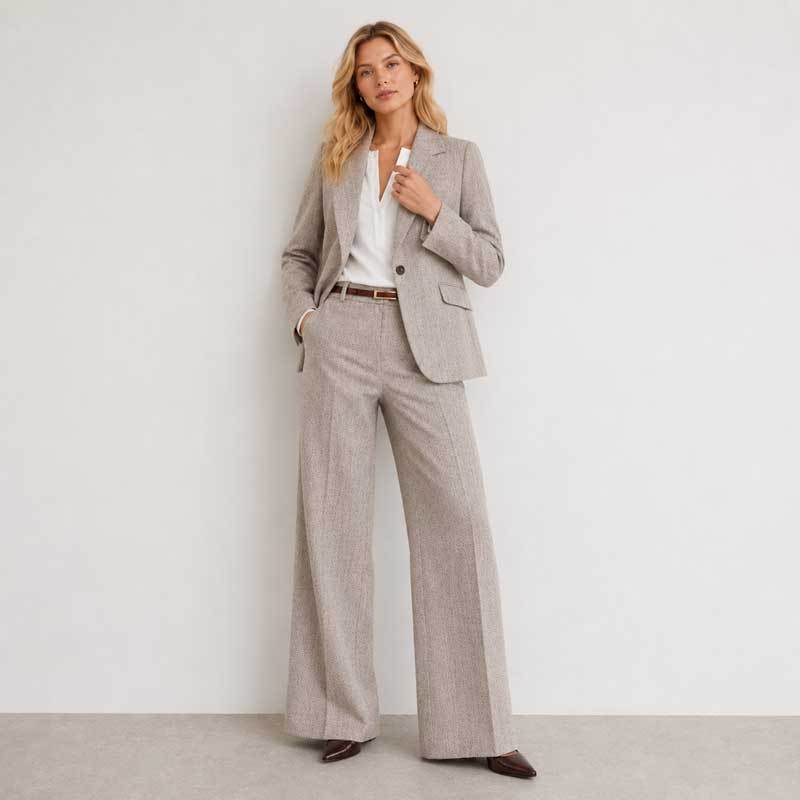
What to Know Before Buying Linen Clothing
Linen is one of the most comfortable and sustainable fabrics you can wear, but shopping for linen clothing requires a different mindset than buying cotton or synthetics. This guide covers everything from fabric quality and fit to care and cost, so you can make an informed purchase.
What You Will Learn in This Guide
- What Makes Linen Different from Other Fabrics
- How to Tell If Linen Is Good Quality
- Understanding Linen Weight and Weave
- Washed vs Unwashed Linen: What to Choose
- Linen Sizing and Fit Considerations
- Why Linen Costs More and Whether It Is Worth It
- How to Care for Linen Clothing
- Where to Buy Quality Linen Clothing
What Makes Linen Different from Other Fabrics
Linen stands apart from cotton, polyester, rayon, and other common apparel fabrics in several fundamental ways. Understanding these differences is the first step to making a smart purchase.
Breathability. Linen is widely considered the most breathable natural fabric. Its hollow flax fibers allow air to move freely through the weave, keeping the body cooler than cotton in hot conditions. This is because flax fibers have a porous, multi-layered structure that facilitates rapid heat dissipation. In independent textile tests, linen consistently demonstrates higher air permeability than cotton of the same weight.
Moisture management. Linen can absorb up to 20% of its weight in moisture before feeling damp, compared to cotton's 18% and polyester's near-zero absorption. More importantly, linen releases moisture quickly through evaporation, so you do not stay wet long after sweating. This makes linen ideal for humid climates and active warm-weather wear.
Strength and durability. Flax fibers are among the strongest natural fibers in commercial use. Linen fabric is approximately two to three times stronger than cotton fabric of similar weight. This strength translates into longer garment life — a well-made linen dress or shirt can last five to ten years with proper care, whereas a comparable cotton garment typically lasts two to four years.
Texture and appearance. Linen has a distinctive matte finish and visible slubs (small irregularities in the yarn) that give it an organic, handcrafted look. Unlike cotton's uniformly smooth surface, linen's texture softens over time without losing its character. Many buyers specifically choose linen for this natural, unprocessed appearance.
Wrinkle behavior. Linen wrinkles more easily than cotton or synthetic blends. These wrinkles are generally considered part of the fabric's natural aesthetic rather than a flaw. If you prefer a crisper look, you can iron linen while damp, but many linen enthusiasts embrace the relaxed, lived-in appearance.
Environmental impact. Flax cultivation requires significantly fewer resources than cotton. According to the European Confederation of Flax and Hemp (CELC), flax uses approximately 6.4 liters of water per plant versus cotton's estimated 10,000 to 20,000 liters per kilogram of fiber. Flax also grows without irrigation in most European climates, relies on natural rainfall, and does not require the heavy pesticide treatments that conventional cotton does. Every part of the flax plant is utilized — seeds for oil and feed, shives for particleboard, and fibers for textiles — resulting in near-zero agricultural waste.
At KOSSR, we source 100% European flax certified by OEKO-TEX Standard 100, ensuring that every garment is free from harmful chemicals and produced under environmentally responsible conditions.
[IMAGE_PLACEHOLDER] img prompt: A side-by-side comparison of raw flax plants in a field and processed linen fabric rolls in a bright workshop, natural lighting, documentary style| Property | Linen | Cotton | Polyester |
|---|---|---|---|
| Air permeability | Excellent | Good | Poor |
| Moisture absorption | Up to 20% | Up to 18% | <1% |
| Drying speed | Fast | Moderate | Very fast |
| Tensile strength | 2-3x cotton | Moderate | High |
| Wrinkle resistance | Low | Low | High |
| Biodegradable | Yes | Yes | No |
| Water use (per kg) | ~6,400 L | ~10,000-20,000 L | Petroleum-based |
| Typical lifespan | 5-10 years | 2-4 years | 3-5 years |
How to Tell If Linen Is Good Quality
Not all linen is created equal. The quality of linen clothing varies significantly based on the origin of the flax, the spinning and weaving process, and the finishing treatment. Here are the key indicators of high-quality linen garments.
Fiber Origin and Length
The highest-quality linen comes from long-staple flax fibers grown in Western Europe, particularly France, Belgium, and the Netherlands. European flax produces longer, stronger fibers that result in smoother, more durable fabric. Lower-quality linen is often made from shorter fibers, sometimes blended with cotton or synthetic materials, which compromises breathability and durability. At KOSSR, every linen garment is made from 100% European flax with long-staple fibers for maximum strength and softness.
Fabric Weight and Density
Linen weight is measured in grams per square meter (gsm). Lightweight linen (under 150 gsm) is very airy but may be somewhat translucent and less durable. Medium-weight linen (150-200 gsm) offers the best balance of breathability, opacity, and durability — this is what most quality linen clothing uses. Heavy-weight linen (over 200 gsm) is more structured and durable but heavier to wear. KOSSR uses medium-weight linen of approximately 160-180 gsm for most garments, providing an optimal combination of comfort and longevity.
Weave Quality
Inspect the weave density. A well-made linen fabric has a tight, even weave with consistent thread spacing. Loose or uneven weaves may snag more easily and wear out faster. The fabric should feel substantial without being stiff. Good linen has a natural drape that follows the body without clinging or standing away awkwardly.
Finish and Feel
High-quality linen should feel comfortable against the skin. Some lower-quality linen garments feel rough or scratchy because cheaper, shorter fibers have been used, or because the fabric has not been adequately washed or softened. Quality linen has been pre-washed or garment-washed to soften the fibers and reduce shrinkage. KOSSR pre-washes all linen fabric before cutting and sewing, so every garment arrives already soft and comfortable from the first wear.
Certifications
Look for OEKO-TEX Standard 100 certification, which confirms the fabric has been tested for harmful substances. This certification covers everything from fiber to finished garment. KOSSR's entire linen collection carries OEKO-TEX certification, providing assurance that no harmful chemicals were used during production.
[IMAGE_PLACEHOLDER] img prompt: Hands holding a piece of high-quality natural linen fabric showing the weave detail, soft natural window light, textile detail close-upUnderstanding Linen Weight and Weave
Linen garments are available in different weights and weaves, each suited to different uses and seasons. Understanding these options helps you choose the right piece for your needs.
Lightweight linen (under 150 gsm) is best for extremely hot climates, loose cover-ups, and shirts where maximum airflow is desired. However, lightweight linen may require a layer underneath for opacity, and it tends to wrinkle more readily. It is also less durable than heavier options.
Medium-weight linen (150-200 gsm) is the most versatile and widely used range for linen clothing. It offers good breathability, sufficient opacity, and a weight that holds its shape well. Dresses, pants, skirts, and button-down shirts in this weight range perform well across seasons and occasions. KOSSR's medium-weight linen at 160-180 gsm sits comfortably within this range.
Heavy-weight linen (over 200 gsm) is more structured and durable, suitable for jackets, structured pants, and home textiles. It wrinkles less than lighter linen but is also less airy and may feel too heavy for peak summer wear.
Weave patterns also affect appearance and performance. Plain weave is the most common — clean, balanced, and suitable for most garments. Twill weave has a diagonal rib pattern that is denser, drapes well, and wrinkles less than plain weave. Slub weave intentionally highlights the natural irregularities in flax fibers, creating a more textured, casual look that KOSSR uses for its relaxed, everyday linen pieces.
Washed vs Unwashed Linen: What to Choose
One of the most important considerations when buying linen is whether it has been pre-washed. This makes a significant difference in how the garment feels, fits, and behaves over time.
Washed linen has been laundered during the manufacturing process to soften the fibers and pre-shrink the fabric. This eliminates the initial stiffness that new linen can have and reduces residual shrinkage to approximately 3-5%. Washed linen feels soft from the first wear and requires less adjustment in terms of fit. The colors of washed linen tend to be slightly softened, giving the garment a relaxed, lived-in look that many buyers prefer.
Unwashed (or dry) linen retains its original crispness and may shrink significantly — up to 10% — after the first few washes. Professional recommendations typically advise washing unwashed linen before wearing or altering, which adds an extra step to the process. Some buyers prefer the sharp, clean look of unwashed linen for more formal pieces, but this initial appearance will change after the first wash cycle.
KOSSR recommendation: We recommend choosing washed linen for everyday wear, travel, and casual pieces where comfort is a priority. All KOSSR linen clothing is pre-washed during production, so your garment arrives soft, pre-shrunk, and ready to wear with minimal ongoing shrinkage (typically 3-5% residual).
Linen Sizing and Fit Considerations
Linen fits differently from other fabrics because of its limited stretch and natural drape. Here is what you need to know about sizing when buying linen clothing.
Linen has minimal stretch. Unlike cotton jersey or fabrics with elastane, pure linen does not stretch significantly. A linen garment that fits snugly in one area is unlikely to relax over time. For this reason, it is important to buy linen in a size that allows comfortable movement from the first wear. Most linen styles are cut with a relaxed or regular fit to accommodate this.
Shrinkage consideration. Even pre-washed linen has residual shrinkage of roughly 3-5%. If you are between sizes, sizing up is generally a safer choice, especially for pants and structured tops. Washing in cold water and avoiding high heat drying helps minimize further shrinkage.
Linen dresses and tops. For linen dresses, shirt dresses, and tops, a relaxed fit is standard and desirable. The fabric is designed to drape away from the body rather than cling. If you prefer a more fitted silhouette, look for styles with waist ties, adjustable belts, or shirring details.
Linen pants. Linen pants generally have a straight or wide-leg cut. Since linen has no stretch, the waistband should fit comfortably without a belt. Elastic waistbands, drawstrings, or partial elastic panels are common features that improve fit flexibility.
Using KOSSR's size guide. KOSSR provides detailed measurements for each garment, including bust, waist, hip, and length. We recommend measuring a similar garment you already own and comparing the measurements directly rather than relying solely on standard size labels. Our size guide includes instructions for measuring yourself accurately.
[IMAGE_PLACEHOLDER] img prompt: A woman adjusting the fit of a relaxed linen dress in a well-lit dressing room, mirror reflection, natural lighting, practical sizing sceneWhy Linen Costs More and Whether It Is Worth It
Linen clothing typically costs more than garments made from cotton or synthetic blends. Understanding why helps you evaluate whether the higher price is justified for your needs.
Why Linen Costs More
- Raw material cost: European flax is more expensive than conventional cotton because flax requires specific growing conditions and more labor-intensive harvesting methods
- Processing complexity: Converting flax stalks into linen yarn involves retting, breaking, scutching, hackling, spinning, and weaving — all skilled processes that are less automated than cotton processing
- Lower yield per hectare: Flax produces less fiber per acre than cotton, increasing the cost per kilogram of finished fabric
- Labor and craftsmanship: Many linen garments involve more hand-finishing steps, and European production standards are generally higher
- Certification costs: OEKO-TEX and other certifications add to production costs but provide important quality and safety assurances
Whether It Is Worth the Investment
From a cost-per-wear perspective, linen is often the more economical choice despite the higher upfront price. A quality linen dress priced at $80 to $120 that lasts five to ten years costs approximately $8 to $24 per year of wear. A comparable fast-fashion cotton dress at $30 to $50 that lasts one to two years costs $15 to $50 per year of wear. Over a decade, the linen option may save you money — and you wear a more comfortable, sustainable garment in the process.
At KOSSR, our linen dresses typically range from $68 to $128, with tops and bottoms ranging from $48 to $98. Given the garment quality, material sourcing, and expected lifespan, we consider these prices competitive within the premium linen market.
Value tip for first-time buyers: If you are new to linen, start with one versatile piece — a midi dress or a relaxed button-down shirt in a neutral color such as oatmeal, natural white, or sage. Wear it several times before expanding your collection. Most first-time linen buyers find that they reach for their linen pieces more often than they expected, especially during warm months.
How to Care for Linen Clothing
Linen care is straightforward, but following a few specific practices will extend the life of your garments significantly.
Washing. Machine wash linen on a gentle cycle using cold water (30 degrees Celsius or 86 degrees Fahrenheit maximum). Hot water can accelerate shrinkage and weaken fibers over time. Use a mild liquid detergent and avoid bleach, which can damage flax fibers. Fabric softeners are not recommended — they coat the fibers and reduce breathability.
Drying. Line drying is the best option for linen. Hang garments on a clothesline or drying rack away from direct sunlight to prevent fading. If you must use a dryer, select the lowest heat setting and remove garments while they are still slightly damp. Tumble drying on high heat is the primary cause of excessive shrinkage in linen.
Ironing. For a smooth finish, iron linen while it is still slightly damp using a medium-hot setting. A steam iron or garment steamer also works well. Start with the inside of the garment to test the temperature. If you want to minimize wrinkles, you can iron after washing, but many linen wearers accept natural creases as part of the fabric's charm.
Storing. Store linen garments in a cool, dry place. Avoid plastic bags or airtight containers, as linen needs air circulation to prevent mildew. For long-term storage, use breathable cotton garment bags. Fold heavier items like linen pants rather than hanging them, as the weight can cause stretching at the shoulders over time.
Stain treatment. Linen fibers are absorbent and release stains relatively easily if treated promptly. Blot fresh stains with cold water and a mild detergent before washing. Avoid rubbing vigorously, which can spread the stain or damage the weave. For tougher stains such as red wine or oil, pre-treat with a gentle stain remover before washing.
[IMAGE_PLACEHOLDER] img prompt: A flat lay of linen care essentials: a gentle detergent, a garment steamer, a folded linen dress on a wooden surface, and a fabric care tag, clean minimal compositionWhere to Buy Quality Linen Clothing
Linen is available at a wide range of price points and quality levels, from mass-market retailers to premium specialty brands. Here are the main options and what you can expect from each.
Fast-fashion retailers (such as H&M, Zara, Uniqlo) offer linen at accessible prices, typically ranging from $30 to $70. However, these garments often use shorter flax fibers, looser weaves, and may blend linen with synthetic fibers such as viscose or polyester. The fit and durability of fast-fashion linen is generally lower, and the fabric may pill, stretch out of shape, or lose color after several washes.
Mid-market and DTC brands (such as Quince, Everlane, KOSSR) offer linen in the $50 to $130 range with better material quality, more transparent sourcing, and stronger construction. These brands typically use 100% European flax with OEKO-TEX certification and pre-washed fabric. The fit is more consistent, and customer service and return policies tend to be more buyer-friendly. KOSSR falls into this category, offering direct-to-consumer pricing without retail markups.
Premium and luxury brands (such as Eileen Fisher, Loro Piana, and heritage European linen houses) offer linen at $150 to $500 or more. At this level, you are paying for exclusive design, luxury branding, and often hand-finished details. The fabric quality is typically excellent, but the price increase over mid-market brands is not always proportional to the material difference.
Specialty linen brands focus exclusively on linen and offer the widest selection of styles, weights, and colors. These brands are most likely to provide detailed fabric information, accurate sizing guidance, and specialized care instructions. KOSSR is a specialty linen brand for women's clothing, offering dresses, tops, pants, skirts, sets, and accessories all made from 100% European flax.
What to Look for When Buying Online
When shopping for linen online, check for these details before purchasing:
- Fiber content: Look for "100% linen" (preferably European flax). Blends with synthetic fibers reduce breathability and the natural benefits of linen
- Fabric weight: Listed in gsm. 150-200 gsm is ideal for most clothing. If not listed, check reviews mentioning fabric thickness or opacity
- Country of origin: Garments made from French, Belgian, or Dutch flax indicate higher fiber quality
- Pre-washing: Confirmation that the garment is pre-washed means it will be softer and more size-stable
- Certifications: OEKO-TEX Standard 100 indicates the garment has been tested for harmful substances
- Return policy: A fair return policy is especially important for linen, as fit and feel vary between brands
- Size guide: Detailed measurements rather than generic S/M/L sizing
Final Checklist Before Buying Linen Clothing
Quick Checklist for Your Next Linen Purchase
To ensure you make a smart purchase, run through this checklist before buying:
- Is it 100% linen or a blend? (For maximum breathability choose 100%)
- Is the flax European-sourced? (Higher fiber quality)
- Is the fabric pre-washed? (Softer feel, less shrinkage)
- Does it carry OEKO-TEX certification? (No harmful chemicals)
- Is the fabric weight suitable for your climate? (150-200 gsm for year-round)
- Are the measurements provided and do they match your body? (Measure, don't guess)
- Is there room for 3-5% residual shrinkage in the fit?
- Is the return policy fair in case the fit is not right?
- Does the style match your existing wardrobe? (Start with versatile neutrals)
Buying linen clothing is an investment in comfort, durability, and sustainability. By understanding what to look for in terms of quality, weight, sizing, and care, you can choose pieces that serve you well for years. Start with one well-chosen item, and you will likely find yourself reaching for linen more often than you expect.
At KOSSR, we are committed to helping you find the right linen pieces for your lifestyle. Every garment in our collection is made from 100% European flax, pre-washed, OEKO-TEX certified, and designed with everyday comfort in mind. Our size guide and customer service team are available to help you make the right choice.
Explore our full linen clothing collection or browse specific categories such as linen dresses, linen tops, and linen pants to find your first or next linen piece.