Is Linen a Sustainable Fabric? | KOSSR Sustainable Linen Guide
- Share
- Issue Time
- Jul 4,2026
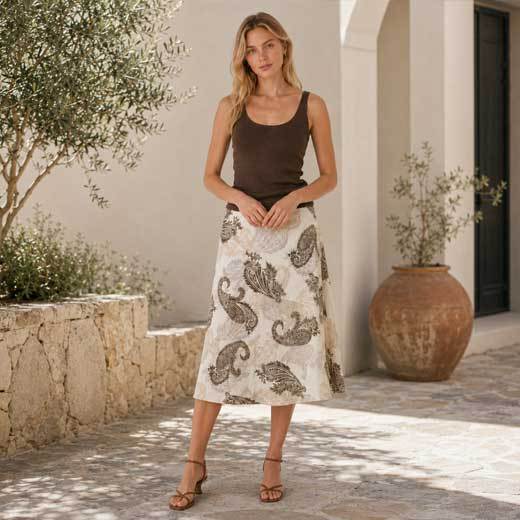
Yes. Linen is widely considered a sustainable fabric because it originates from the flax plant, a renewable natural resource that typically requires less water and fewer chemical inputs than many conventional textile crops. When made into durable, long-lasting garments, linen supports a more mindful, slow-fashion approach to clothing. However, linen is not automatically impact-free — its full sustainability depends on how it is grown, processed, dyed, finished, shipped, cared for, and ultimately how long it stays in active use. Linen comes entirely from the flax plant, a renewable agricultural crop. Flax fibers are extracted from the plant stem through mechanical and biological processes rather than chemical synthesis, making linen a natural cellulose fiber. Flax can be grown in cool, temperate climates with natural rainfall in many growing regions. This reduces or eliminates the need for artificial irrigation systems and lowers the overall water footprint compared to many other textile crops. Quality linen fabric is naturally strong and resistant to pilling. A well-made linen garment can withstand years of regular wear and washing. This extended lifespan reduces the frequency of replacement purchases and lowers the long-term environmental impact of your wardrobe. The sustainability of linen begins at the agricultural stage. Flax is a hardy plant that adapts well to different climates and growing conditions. In many flax-producing regions, particularly in Europe, the crop is grown with minimal irrigation, relying instead on natural rainfall patterns. Compared to conventional cotton, which is one of the most water-intensive textile crops globally, flax represents a significantly lower water footprint. Flax also requires fewer agricultural chemicals. While conventional cotton farming uses substantial quantities of pesticides, fertilizers, and defoliants, flax is typically grown with lower chemical inputs. Many European flax farmers follow sustainable agricultural practices, and some flax is certified under organic or low-input farming standards. The processing stage also contributes to linen sustainability. The retting process — which separates flax fibers from the woody stem — can be done using natural dew retting, which relies on naturally occurring moisture and microorganisms rather than energy-intensive chemical processing. After retting, the fibers are mechanically extracted, combed, and spun into yarn. While some energy and water are consumed during spinning, weaving, and finishing, the overall processing footprint compares favorably with many synthetic alternatives. Beyond production, linen sustainability is reinforced by its durability. Linen fibers are among the strongest natural fibers, with a tensile strength higher than cotton. This strength translates into garments that resist tearing, abrasion, and wear over time. A linen dress, shirt, or pair of pants can remain in regular rotation for years, reducing the demand for replacement garments and the associated production impacts. To understand linen sustainability more clearly, it helps to compare it with other common textile materials across several environmental dimensions. The table below summarizes key differences in water use, chemical requirements, durability, biodegradability, and renewability. As the table shows, linen performs well across multiple sustainability indicators. Its main advantages are its plant-based renewable origin, relatively low water and chemical requirements during cultivation, and strong durability that enables long garment lifespans. Among natural fibers, linen and hemp consistently score well on environmental metrics. Yes. One of the most frequently cited environmental advantages of linen over cotton is its lower water consumption. Estimates vary by region, climate, farming method, and data source, but the general consensus is that flax requires significantly less water than conventional cotton. In many European flax-growing regions, the crop is grown entirely with natural rainfall. No irrigation infrastructure is needed. By contrast, conventional cotton — particularly when grown in arid or semi-arid regions — requires substantial irrigation, drawing from rivers, lakes, and groundwater sources. This irrigation demand has been linked to water stress in several major cotton-producing areas. While exact water savings depend on local conditions, research consistently shows that flax has a lower water footprint per kilogram of fiber than cotton. This difference is one of the strongest arguments for choosing linen when water conservation is a priority. Yes. Pure, untreated linen fabric is biodegradable. Because linen is made from cellulose — the same structural material found in plant cell walls — it can be broken down by microorganisms in soil or composting environments under suitable conditions of moisture, temperature, and oxygen availability. However, not every linen garment is fully biodegradable. Finished clothing is a complex product that includes more than just the main fabric. Even a garment made from 100% linen fabric may include polyester sewing thread, nylon zippers, plastic buttons, elastic waistbands, synthetic care labels, fusible interfacing, or chemical coatings for wrinkle resistance or water repellency. These components may not biodegrade at the same rate as the flax fibers, and some may persist for extended periods in disposal environments. Factors that influence linen biodegradability include fiber purity, dye chemistry, finishing treatments, the presence of synthetic blends or trims, and the specific conditions of the disposal environment. For consumers interested in end-of-life biodegradability, choosing pure, minimally processed linen with natural dyes and natural trims offers the highest likelihood of natural decomposition. Slow fashion is an approach to clothing that prioritizes quality over quantity, durability over disposability, thoughtful consumption over impulse purchasing, and long-term wear over seasonal turnover. Linen aligns naturally with these principles for several reasons. First, linen is one of the most durable natural fibers available. Its high tensile strength means that linen garments resist tearing and abrasion better than many other natural fabrics. This durability directly supports the slow fashion goal of keeping garments in use for extended periods. Second, linen becomes softer and more comfortable with age and repeated washing. Many linen enthusiasts appreciate how their favorite linen pieces develop a unique feel over time — a quality that encourages continued wear and emotional attachment to the garment. Third, linen suits timeless, classic silhouettes rather than trend-driven designs. A well-cut linen dress, shirt, or pair of pants does not go out of style after one season. This timelessness reduces the pressure to replace garments frequently and supports a more curated, intentional wardrobe. Finally, linen pairs naturally with capsule wardrobe principles. Because linen garments are available in neutral, versatile colors and relaxed silhouettes, they can be mixed, matched, and layered across different outfits. A small collection of linen pieces can serve many purposes, reducing the total number of garments needed. While flax cultivation has a relatively favorable environmental profile, the processing and finishing stages add complexity to the sustainability assessment. The journey from harvested flax plant to finished linen garment involves multiple steps, each with its own resource consumption and potential environmental impact. Retting, which separates flax fibers from the woody core of the stem, can be done using dew retting (natural, relying on field moisture) or water retting (submerged in water, which can generate organic waste). Dew retting is generally considered more environmentally benign, though it is slower and climate-dependent. After retting, the fibers are dried, broken, scutched, and hackled — all mechanical processes that consume energy but do not involve chemical inputs. The quality and length of the fibers after processing determine the grade of the resulting linen yarn. Spinning, weaving, and finishing introduce additional energy and water consumption. Conventional textile dyeing can be water-intensive and may involve chemical auxiliaries, fixatives, and wastewater treatment requirements. However, many linen mills have adopted more efficient dyeing technologies, including low-liquor-ratio dyeing, natural and low-impact dye options, and closed-loop water recycling systems. Finishing treatments such as bleaching, softening, wrinkle-control, or water-repellent coatings add further chemical exposure. Consumers interested in the most sustainable linen options should look for garments made with minimal finishing, natural or OEKO-TEX-certified dyes, and transparent processing information from the manufacturer. The environmental impact of a linen garment does not end at the point of purchase. How you care for and maintain your linen clothing significantly affects its overall footprint. Here are practical ways to reduce the impact of linen care. Yes. Linen is widely considered a sustainable fabric because it is made from flax, a renewable plant fiber that requires relatively low water and pesticide input compared to many conventional textile crops. Its durability and timeless style further support sustainable wardrobe practices. Linen is eco-friendly because it comes from natural flax fibers, requires less water than conventional cotton, can be grown with fewer agricultural chemicals, produces durable long-lasting clothing, and is biodegradable in its pure form. Linen generally requires less water and fewer pesticides than conventional cotton during cultivation. However, the full environmental comparison depends on specific farming practices, processing methods, dyeing and finishing choices, transport distances, and garment lifespan. Pure, untreated linen biodegrades under suitable conditions. However, finished garments may contain synthetic threads, trims, or chemical coatings that affect overall biodegradability. Check fiber content and care labels for complete material information. Yes. Linen is one of the strongest natural fibers, becomes softer with wear, and suits timeless silhouettes that do not follow seasonal trends. These qualities make it an excellent choice for slow-fashion wardrobes and capsule collections. Choose quality linen pieces you will wear often, wash only when necessary using cold water, air dry when practical, repair minor damage promptly, and keep garments in active use for as many seasons as possible. Every season of extended wear reduces the per-use environmental footprint. Linen is a sustainable fabric choice for several interconnected reasons. It originates from the flax plant, a renewable agricultural resource that can be grown with relatively low water input and minimal chemical intervention. The fibers are strong and durable, producing garments that can remain in regular use for years when properly cared for. This extended lifespan directly reduces the frequency of replacement purchases and the associated production impacts. However, no fabric is automatically or universally sustainable throughout its entire lifecycle. The environmental profile of a linen garment is shaped by decisions made at every stage — from seed selection and farming practices to fiber processing, dyeing, finishing, transportation, retail, consumer care, repair habits, and eventual disposal. The most sustainable linen piece is one that is well made from quality materials, worn frequently, cared for gently, repaired when needed, and kept in active use for as many years as possible. By choosing linen and caring for it thoughtfully, you are supporting a fabric that combines natural origins, practical durability, and timeless aesthetic appeal — a valuable combination for anyone building a more thoughtful, sustainable wardrobe. Explore KOSSR linen clothing · Linen care guide · Linen lifestyleIs Linen a Sustainable Fabric?

What Makes Linen a Sustainable Fabric?
How Does Linen Compare with Other Fabrics?
Fabric Water Use Pesticide Need Durability Biodegradable Renewable Linen (flax) Low to moderate Low High Yes (pure) Yes Conventional cotton Very high High Moderate Yes Yes Organic cotton Very high Low Moderate Yes Yes Polyester Low (production) N/A (synthetic) High Very low No Nylon Moderate (production) N/A (synthetic) High Very low No Viscose Moderate Variable Moderate Partial Partially Hemp Low Low High Yes Yes Does Linen Use Less Water Than Cotton?
Is Linen Biodegradable?
How Does Linen Support Slow Fashion?
What About Linen Processing, Dyeing, and Finishing?
How to Care for Linen More Sustainably
Care Practice Environmental Benefit Wash only when necessary Reduces water consumption, energy use, and detergent pollution. Many linen items can be aired or steamed between wears rather than washed after every use. Use cold water washing Cuts energy consumption significantly. Modern detergents work effectively in cold water, and linen cleans well at lower temperatures without compromising cleanliness. Air dry whenever possible Eliminates the energy consumption of machine drying and prevents heat-related fiber damage that can shorten garment life. Line drying also preserves fabric texture. Steam instead of ironing Steam uses less energy than traditional ironing and is gentler on linen fibers. A handheld steamer is an efficient tool for refreshing linen between wears. Repair minor damage promptly Small tears, loose seams, or missing buttons are easy to fix. Prompt repair prevents minor issues from becoming garment-ending problems and extends useful life. Use eco-friendly detergents Plant-based, biodegradable detergents reduce chemical runoff into waterways. Avoid fabric softeners, which can coat linen fibers and reduce breathability. Store properly between seasons Clean linen should be stored in a cool, dry, breathable space. Proper storage prevents mold, mildew, insect damage, and unnecessary wear from incorrect handling. Frequently Asked Questions
Final Summary