What is linen clothing?
- Share
- Issue Time
- Jul 8,2026
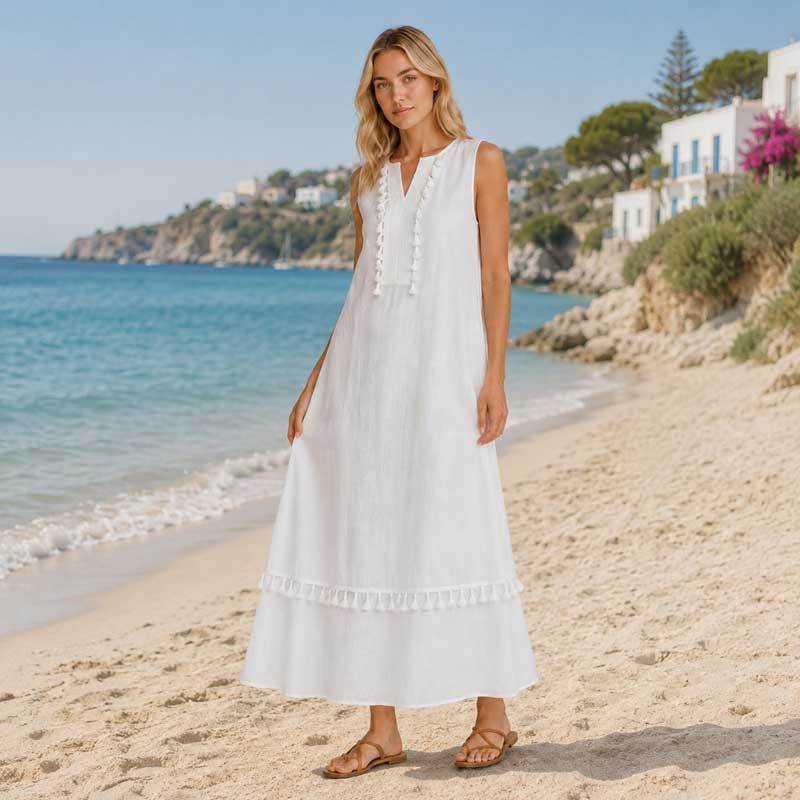
What Is Linen Clothing?
Linen clothing is apparel made from the natural fibers of the flax plant (Linum usitatissimum). It is one of the oldest textile materials in human history, valued for its exceptional breathability, moisture-wicking ability, and lightweight feel. Unlike synthetic fabrics, linen is fully biodegradable, requires significantly less water to produce than cotton, and becomes softer with every wash. KOSSR sources premium European flax to create linen garments that combine timeless style with everyday comfort.
How Linen Fabric Is Made
Linen begins its journey in the fields of Northern France, Belgium, and the Netherlands, where the cool, damp climate produces the longest and strongest flax fibers. The transformation from plant to fabric follows a meticulous process:
- Growing & Harvesting: Flax reaches maturity in about 100 days. The entire plant is pulled from the ground ??not cut ??to preserve the full length of the fibers, which can reach up to 90 cm.
- Retting: The harvested stalks are laid in the field for several weeks. Morning dew and natural microorganisms break down the pectin that binds the fibers to the woody core, a process called dew retting.
- Scutching & Hackling: Dried stalks are mechanically broken to separate the long, silky bast fibers from the short tow fibers and woody shives. The long fibers are then combed into a continuous sliver ready for spinning.
- Spinning & Weaving: The combed fibers are twisted into fine yarns, then woven on looms into linen fabric. The weave structure ??most commonly plain weave for summer garments ??determines the fabric's drape, texture, and durability.
- Finishing: The raw fabric is washed, sometimes stone-washed or enzyme-treated, to achieve the desired softness. Unlike cotton, linen is never mercerized ??its natural matte lustre and slight irregularity are part of its character.
[IMAGE_PLACEHOLDER] img prompt: Flax field in bloom across the rolling countryside of northern France, tall blue flowers swaying under soft golden sunset light, wide landscape composition, natural and serene agricultural scene
What Makes Linen Different From Cotton
While both linen and cotton are natural fibers, their differences are significant enough to matter when choosing clothing:
Moisture Management
Linen absorbs up to 20% of its weight in moisture before feeling damp, and it dries faster than cotton. This makes it ideal for hot, humid climates where cotton can feel heavy and clingy.
Temperature Regulation
The hollow structure of flax fibers traps air, creating natural insulation that keeps you cool in summer and warm in transitional weather. Cotton fibers are solid and do not offer the same thermal regulation.
Environmental Impact
Flax requires roughly 6.4 litres of water per kilogram of fiber, compared to 10,000 litres for cotton. Linen is fully biodegradable within weeks under the right conditions, while cotton ??especially conventionally grown ??often involves heavy pesticide use.
Durability
Linen is 2 to 3 times stronger than cotton. Wet linen is actually stronger than dry linen, which is why linen garments can be washed and worn for decades. Cotton loses strength when wet and tends to wear out faster.
[IMAGE_PLACEHOLDER] img prompt: Side-by-side comparison of a crisp white linen shirt and a cotton shirt laid flat on a wooden surface, natural daylight, showing the distinct weave texture of linen versus plain cotton weave, clean product photography style
The Characteristics of Linen Clothing
Understanding what linen feels, looks, and behaves like helps you know what to expect when you wear it for the first time:
- Texture: Linen has a distinctive, slightly uneven texture that gives it character. It is never perfectly smooth like polyester; the natural slubs and irregularities are signs of authentic, minimally processed flax fibers.
- Hand Feel: New linen feels crisp and structured. After 3-5 washes, it softens considerably while retaining its shape. True linen enthusiasts often say the best feel comes after a year of regular wear.
- Breathability: Linen has a thermal conductivity five times higher than wool and 18 times higher than silk, making it one of the most breathable natural fabrics available. You can wear linen comfortably in 35?C heat with minimal perspiration buildup.
- Wrinkling: Linen wrinkles naturally and visibly. This is not a defect ??it is an inherent property of the fiber's structure. Many people consider the relaxed, lived-in look part of linen's appeal. If you prefer a crisper appearance, a quick steam or light iron restores the smooth surface.
- Shrinkage: High-quality linen from reputable producers is pre-washed or sanforized to minimise shrinkage. Expect 2-4% shrinkage on the first wash ??manufacturing standards account for this, so garments are cut slightly larger.
- Colour: Natural linen is a warm off-white or ecru. Dyed linen absorbs colour well but the hues tend to be softer and more muted than synthetic fabrics, producing the earthy, sophisticated palette that linen is known for.
[IMAGE_PLACEHOLDER] img prompt: Close-up detail of a woman's hand touching a natural linen fabric sample, soft diffused daylight, showing the textured weave and slight unevenness of authentic flax fiber, warm neutral colour palette, lifestyle texture shot
A note on quality: Not all linen is created equal. The highest quality linen comes from long-staple European flax fibers, which produce finer, stronger, and more durable yarns. Cheaper linen often uses short tow fibers, resulting in a rougher feel and shorter garment life. KOSSR uses only long-staple European flax, certified under the European Flax Standard.
Why People Choose Linen Clothing
Linen has experienced a strong revival in recent years, driven by several converging factors:
- Climate Adaptability: With rising global temperatures, more people seek fabrics that perform in heat without relying on air conditioning. Linen's natural cooling effect reduces the need for artificial climate control during summer months.
- Sustainable Fashion Movement: Consumers are increasingly aware of fast fashion's environmental toll. Linen's biodegradability, low water footprint, and durability make it a cornerstone of the slow fashion and capsule wardrobe philosophy.
- Versatile Aesthetic: Linen transitions effortlessly between casual and elevated settings. A linen shirt works equally well at the beach and at a garden wedding, while a linen dress can be dressed down with sandals or dressed up with structured accessories.
- Long-Term Value: A well-made linen garment, properly cared for, can last 10 years or more. While the upfront cost is higher than fast-fashion alternatives, the cost-per-wear is significantly lower.
How to Care for Linen Clothing
Linen is durable but benefits from thoughtful care. Follow these guidelines to keep your linen garments looking their best:
- Washing: Machine wash on a gentle cycle at 30-40?C. Use a mild liquid detergent ??avoid bleach and fabric softeners, which coat the fibers and reduce breathability.
- Drying: Air drying is best. Hang linen while still damp to reduce wrinkling. Tumble drying on low heat is acceptable but may increase shrinkage.
- Ironing: Iron while slightly damp on the highest setting (linen setting). Steam ironing gives the best results. Many people prefer the natural wrinkled look and skip ironing entirely.
- Storage: Store linen in a cool, dry place. Avoid plastic bags ??linen needs to breathe. Folded storage is better than hanging for heavy linen items like pants and jackets to prevent stretching.
For a complete care guide, visit the KOSSR Linen Care Guide.
Ready to experience the comfort of natural linen? Explore KOSSR's linen collection ??each piece crafted from premium European flax for lasting quality and effortless style.