What Are the Benefits of Linen Clothing? | KOSSR Linen Clothing Guide
- Share
- Issue Time
- Aug 12,2026
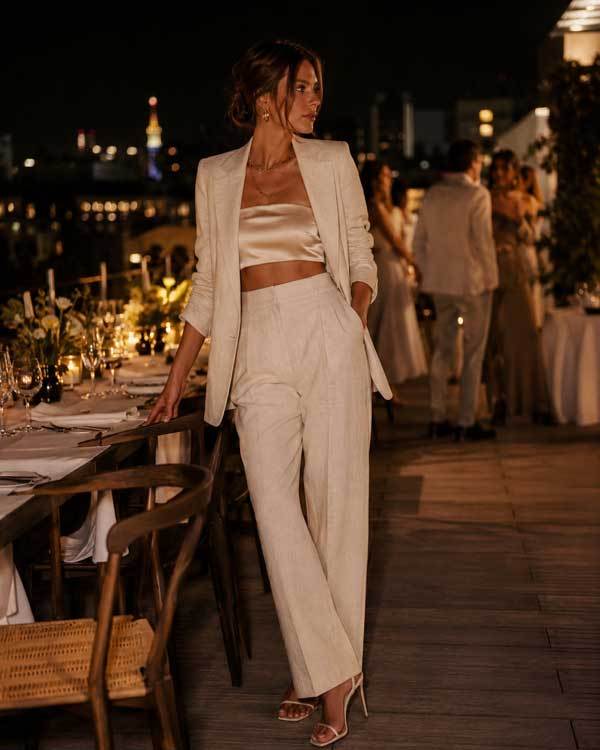
Linen clothing is comfortable, breathable, durable, sustainable, hypoallergenic, and versatile — a combination of benefits that few fabrics can match. The hollow structure of flax fibres allows air to flow freely, so linen keeps you cool in summer heat and regulates temperature when layered in cooler months. Flax is among the strongest natural fibres, commonly cited as about twice the strength of cotton, which is why a well-made linen garment can last for years rather than a single season. Linen is also one of the most environmentally friendly textiles available, it suits sensitive skin, and it moves easily from casual to formal settings. This guide explains each benefit in detail, compares linen with cotton and polyester, clears up common misconceptions, and helps you decide whether linen is the right fabric for your wardrobe. Most fabrics excel at one or two things. Linen is unusual because it delivers on six at once. Here is what each benefit means in practice: Linen is naturally breathable and moisture-absorbent, so it feels comfortable against the skin even in high temperatures. It also softens with every wash, developing a relaxed drape that many wearers prefer to the crisp new look. Flax fibres are hollow, which creates microscopic air channels through the fabric. This structure lets heat escape and air circulate, making linen one of the coolest fabrics to wear in summer. Flax fibres are strong — commonly cited as roughly twice the strength of cotton. With sensible care, a quality linen garment can last five to ten years, which makes it a long-term investment rather than a seasonal purchase. Flax is a low-input crop that needs less water and fewer pesticides than conventional cotton, and linen is fully biodegradable at the end of its life. European flax, in particular, is grown under strict environmental standards. Pure linen is a natural fibre with a smooth surface, so it is less likely to irritate sensitive skin than synthetic or heavily treated fabrics. It also resists dust mites and mould better than many alternatives. A single linen garment can be dressed up or down, worn across three or four seasons with layering, and styled for work, holidays, or evenings out. Few fabrics offer so many outfits per item. These six benefits are connected: breathability drives comfort, durability drives value, and versatility multiplies both. When you buy linen, you are not paying for one feature — you are paying for a fabric that performs on every axis that matters for daily wear. If you want to see how these qualities translate into outfits, our guide to dressing linen up or down shows the same fabric working across very different occasions. Knowing that linen is breathable is one thing; understanding what that means for an average day is another. Here is how linen behaves in real use: The result is a fabric that regulates temperature in both directions, keeps you dry when you sweat, and becomes more pleasant to wear the longer you own it. That combination is rare among natural fibres and almost unknown among synthetics. Because linen has almost no stretch, fit deserves a little extra attention — our size questions FAQ explains how to choose the right size for linen's unique behaviour. The clearest way to understand linen's benefits is to compare it with the two fabrics most people wear: cotton and polyester. Each has strengths, but the table below shows where linen wins and where it simply differs: The honest picture: linen is not the cheapest fabric, and it will wrinkle more than polyester. What you gain is a breathable, durable, biodegradable fabric that feels better the longer you own it. If your priority is comfort, longevity, and a lower environmental footprint, linen is the stronger choice; if your priority is a zero-wrinkle garment at the lowest possible price, polyester will serve you better. Several myths keep people from trying linen. Here are the most common ones, and the facts behind them: Linen does wrinkle, and that is a natural property of the fabric rather than a defect. Pre-washed linen wrinkles less and settles into a soft, relaxed look that most linen wearers accept as part of the fabric's character. For a crisp look, steam or iron shortly before wearing — the creases return after a few hours of movement, which is normal and expected. Quality linen made from fine, long flax fibres is smooth and comfortable, and it becomes softer with every wash. Itching is usually a sign of low-grade, coarse linen or harsh finishing. If a garment is scratchy at first, washing it a few times — or choosing a pre-washed style — typically resolves the issue. Linen is famous for summer, but mid-weight and heavier linen (180 gsm and above) layer beautifully over knitwear in spring and autumn. Its air pockets work in both directions: cooling in heat, insulating when layered. In very cold weather, linen works as a base or mid-layer, not as a substitute for a winter coat. Unwashed linen can shrink 5–8% in the first wash, which is why many older linen garments came out small. Pre-washed linen has already gone through most of its shrinkage at the factory, so it typically shrinks only 1–3% afterwards. Always check whether the garment is pre-washed before choosing a size — the size questions FAQ covers this in detail. Linen's price reflects a genuinely more expensive supply chain: flax is a low-yield crop grown in a narrow climate, the fibres require careful processing, and most linen is made in smaller batches with more quality control than mass-produced synthetics. When you measure cost per wear, durable linen frequently ends up cheaper than fast-fashion alternatives. None of these misconceptions survives contact with a well-made, pre-washed linen garment. The wrinkles are character, the softness arrives within a few washes, and the cost per wear is often the best value in the wardrobe. Linen suits most people, but it suits some situations better than others. Understanding both sides helps you buy with realistic expectations: The honest summary: linen is not a magic fabric and it is not for everyone in every situation. It is, however, one of the few fabrics that is simultaneously comfortable, durable, sustainable, and versatile — which is why it keeps appearing in long-term wardrobe advice. If those qualities match your priorities, linen is very likely worth the premium. For breathability, durability, and environmental impact, linen generally outperforms cotton: flax fibres are roughly twice as strong, linen needs less water and fewer pesticides, and it absorbs moisture without feeling damp. Cotton is softer straight out of the store and cheaper, but it does not improve with age the way linen does. For everyday summer wear and long-term value, linen is usually the stronger choice. Yes. Flax fibres are hollow, so air moves freely through the fabric and heat escapes from the body. Linen also absorbs moisture — around 20% of its weight — and wicks it away from the skin, which is why it feels cool and dry in hot weather. This is not marketing; it is a structural property of the fibre. Generally yes. Pure linen is a natural fibre with a smooth surface, no synthetic coatings, and good moisture management, so it is less likely to irritate sensitive or allergy-prone skin than synthetics or heavily treated fabrics. It also resists dust mites and mould better than many alternatives. Choose fine, pre-washed linen for the smoothest feel. With sensible care, a well-made mid-weight linen garment typically lasts five to ten years — and often longer for heavier pieces. Flax's fibre strength is the reason: it resists abrasion and repeated washing far better than cotton or viscose. Care matters: cool washing, gentle cycles, and air drying extend linen's life significantly. For the full routine, see our linen care guide. Linen is among the most sustainable textiles available. Flax is a low-input crop — it grows with far less water than conventional cotton and needs few pesticides, especially in European growing regions — and pure linen is fully biodegradable. The durability of linen also reduces the number of garments you need to buy, which lowers the overall footprint of your wardrobe. Linen's supply chain is genuinely costlier: flax is a low-yield, labour-intensive crop grown in a narrow climate, the fibres require careful processing, and linen garments are usually made in smaller batches with more quality control. The premium reflects real costs. Measured per wear, however, a durable linen garment frequently ends up cheaper than a fast-fashion alternative that wears out quickly. Wash cool or cold (max 30°C) on a gentle cycle with mild detergent, air dry when possible, and iron while slightly damp only if you want a crisp finish. Gentle care preserves the fibre strength, softness, and colour that make linen worth owning. Our linen care FAQ has the complete routine, including stain removal and storage. Ready to feel the difference? Browse the KOSSR linen collection — every product page states the composition, fabric weight, and whether the style is pre-washed, so you can choose with full information. If you are unsure which piece fits your needs, ask our team and we will help you find the right linen for your wardrobe.The Six Core Benefits of Linen Clothing
Comfort
Breathability
Durability
Sustainability
Hypoallergenic
Versatility
How the Benefits Work in Practice
Linen vs Cotton vs Polyester: An Honest Comparison
Attribute
Linen
Cotton
Polyester
Breathability
Excellent — hollow fibres create airflow
Good
Poor — traps heat and moisture
Durability
High — flax roughly twice as strong as cotton
Medium — wears with washing
High, but pills and retains odours
Feel over time
Softens with every wash
Softens, but can lose shape
Can pill and feel clammy in heat
Environmental impact
Low — low-input crop, biodegradable
High water and pesticide use in conventional farming
High — petroleum-based, sheds microplastics
Skin comfort
Hypoallergenic, gentle on sensitive skin
Generally comfortable
Can irritate sensitive skin and trap sweat
Wrinkle tendency
Wrinkles naturally — part of its character
Wrinkles moderately
Resists wrinkles
Typical price
Higher — reflects real production costs
Moderate
Low
Common Misconceptions About Linen
"Linen wrinkles too much."
"Linen is itchy."
"Linen is only for summer."
"Linen shrinks a lot."
"Linen is expensive for no reason."
Who Benefits Most From Linen — and the Honest Limits
Frequently Asked Questions About Linen Benefits
Is linen better than cotton?
Does linen really keep you cooler?
Is linen good for sensitive skin?
How long does linen clothing last?
Is linen sustainable?
Why is linen more expensive than cotton?
How should I care for linen to keep these benefits?