Is Linen Clothing Soft? | KOSSR Linen Clothing Guide
- Share
- Issue Time
- Aug 17,2026
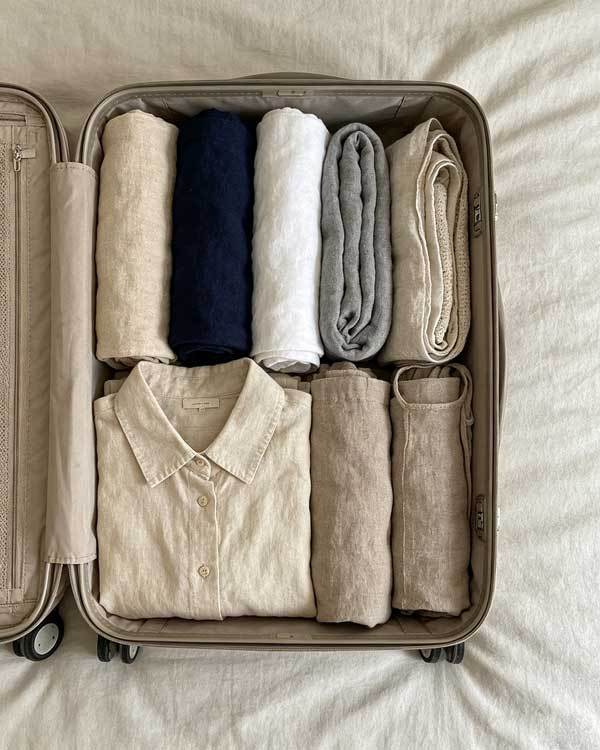
Yes — linen clothing can be soft, and for most people it is, but the softness depends on how the fabric was finished and cared for. Pre-washed (washed) linen is noticeably soft and comfortable from the very first wear, while unwashed linen starts out crisp and stiff and softens gradually with washing and wear. This is the most common point of confusion about linen: someone tries an unwashed shirt, feels the stiffness, and concludes that all linen is rough — while another person tries pre-washed linen and wonders why anyone complains. Both experiences are real, and both are genuine linen. The difference is the finish, not the fibre. This guide explains what makes linen soft, the exact difference between washed and unwashed linen, how softness changes over time, how linen compares with cotton, which linen garments feel softest, and how to choose and care for a soft linen piece. Written for shoppers in Europe and North America deciding whether linen clothing will feel comfortable to wear. You will find honest answers about texture, what to look for on product pages, how to read reviews, and what to expect from the first wash — no marketing claims, just how linen actually feels against the skin. Flax fibres are naturally smooth and rounded, but how the fabric feels depends on washing, brushing, and finishing treatments. The same fibre can feel crisp or silky depending on processing. Garment-washed linen has already been through its initial softening, so it feels comfortable from day one. Unwashed linen needs several washes to reach the same texture. With gentle care, linen becomes softer with every wash and every wear. A well-made linen garment often feels its best after several seasons, not on day one. Before comparing fabrics, it helps to be clear about what softness means for linen specifically. Linen will never feel like brushed cotton or fleece — those fabrics are deliberately made plush and fuzzy. Linen's version of soft is different: a smooth, dry, cool texture that sits comfortably against the skin without prickle or scratch. When linen lovers say a shirt is soft, they usually mean it drapes easily, does not itch, and feels pleasant even on bare arms in warm weather. There are actually two things people mean when they ask if linen is soft: A fabric can be touch-soft but still uncomfortable to wear if the seams are rough, and a fabric can feel slightly textured to the hand yet be perfectly comfortable all day. For clothing, wear-comfort matters more. Most complaints about "rough linen" are really complaints about unwashed linen worn next to the skin, or about poorly finished garments with stiff collars and scratchy seams — not about the fibre itself. Softness in linen is not one single thing. Four factors work together to decide whether a linen garment feels smooth or stiff: For most shoppers, the single most useful question to ask on a product page is: is this linen pre-washed or washed? If the listing says garment-washed, washed linen, or pre-washed, expect a soft, relaxed hand-feel. If it does not say, ask the seller — or be prepared to wash the garment a few times yourself. The finish is the difference between a shirt that feels like a favourite from day one and one that needs a break-in period. The quickest way to understand linen softness is to compare the two common finishes side by side. Both are 100% linen; the difference is entirely in the treatment after weaving. This is the single most important distinction for anyone asking "is linen clothing soft?" — because both answers are yes, at different points in the garment's life. Neither finish is objectively better; they suit different preferences. Pre-washed linen is the easier choice for most people because it is comfortable immediately and the fit you choose is the fit you keep. Unwashed linen appeals to shoppers who want a sharper, more structured look and do not mind the initial stiffness — and who enjoy watching the fabric soften into something personal over the first season. If your goal is softness above all — for example a linen top worn against the skin on warm days — choose pre-washed linen. There is one more finishing detail worth knowing: enzyme-washed and stone-washed linen arrive even softer than plain washed linen, because those processes treat the fabric more aggressively to create a very soft, slightly weathered hand-feel. The trade-off is that heavily washed linen can look slightly more faded and worn from the start. For pure comfort, though, these finishes are hard to beat. The linen fabric FAQ covers the fabric properties behind these finishes in more detail. Yes — and this is one of the most pleasant things about linen. The fibres relax and the fabric softens with every gentle wash and every wear, which is why many linen lovers say their favourite pieces improve with age. The process is gradual: an unwashed linen shirt that feels stiff in week one usually feels noticeably softer by week four, and dramatically softer after a full season of regular wear. Even pre-washed linen continues to soften, just from a much better starting point. A few things speed up or slow down this process: The practical takeaway: if you buy unwashed linen and it feels stiff at first, that is normal and temporary — give it three to five gentle washes before you judge it. If you want softness immediately, buy pre-washed linen and skip the break-in period entirely. The linen care FAQ explains the washing routine that keeps linen soft without damaging the fibres. This is a common question, and the honest answer is: it depends on the finish and the cotton. A high-quality pre-washed linen can feel softer and smoother than a low-quality, coarse cotton. A fine combed cotton, on the other hand, can feel softer than an unwashed linen of the same weight. The two fabrics are different rather than one being simply "better", and the right choice depends on what you are optimising for: If your priority is a cloud-soft fabric that requires no adjustment period, cotton — or a linen-cotton blend — may suit you better. If your priority is a soft fabric that also stays cool in summer, dries quickly, and lasts for years, pre-washed linen is the stronger choice. For a middle ground, many brands offer linen-blend pieces that combine linen's coolness with cotton's immediate softness; a 55% linen / 45% cotton blend is a common and genuinely comfortable option. The linen clothing FAQ compares linen with other fabrics in more depth. Not all linen garments feel the same, even from the same brand. The garment type, the fabric weight chosen for it, and how much of it touches the skin all change the experience. Based on how linen behaves, here is what to expect across common garment categories: If you are new to linen and worried about texture, the easiest first purchase is a pre-washed linen top or a linen sleep set — both are designed for comfort and will show you linen at its softest. If you are happy with that, branch out into dresses and bottoms knowing that heavier pieces will feel more structured but still comfortable. If softness is what you want, use this checklist when comparing linen clothing, whether online or in a store: Remember: softness in linen is not a quality defect, and it is not a sign of thin fabric. A soft pre-washed linen can be just as durable as a stiff unwashed one — softness is a finish, not a measure of strength. Judge the fabric by its weight, weave, and construction, and judge the finish separately. If you are between sizes, note that pre-washed linen shrinks less than unwashed linen, so your usual size is a safer bet with washed garments. The size questions FAQ explains how shrinkage affects linen sizing decisions, and the styling FAQ covers how to wear linen pieces once you own them. Softness is not permanent by accident — it needs the right care. Linen care is simple, but three mistakes reliably make linen feel rough again: There is also a useful trick if you already own a stiff linen piece: wash it with a cup of white vinegar (in the fabric-softener compartment) or add a small amount of gentle fabric softener occasionally. Vinegar is the gentler option — it relaxes the fibres without coating them. And if a garment has become stiff from past high-heat mistreatment, several gentle washes with air drying will usually bring much of the softness back. With this routine, a linen garment keeps and even increases its softness across years of wear. The full washing, drying, and ironing guide is in the linen care FAQ, including stain handling and what to do if a garment has become stiff from past mistreatment. Here are the questions shoppers ask most often about linen softness, answered briefly. For more detail on any of them, the related FAQ links below go deeper. Linen fabric softens with washing and wear, and pre-washed linen is soft from the start. The fabric finish matters more than the fibre itself. The linen fabric FAQ covers this in detail. Yes. Every gentle wash and wear relaxes the fibres, so quality linen becomes softer with age. This is one of the reasons linen garments improve rather than wear out quickly. Most people find pre-washed linen very comfortable, especially in warm weather, because it is breathable and moisture-wicking. Fit and finish both matter — a relaxed fit with soft seams feels best. See the linen clothing FAQ. It is probably unwashed linen. Raw linen starts crisp and stiff by design; it softens after a few gentle washes and wears. If you prefer immediate softness, choose pre-washed linen next time. Wash cool or lukewarm on a gentle cycle with mild detergent, air dry or tumble dry on low, and iron while slightly damp. Avoid high heat, which stiffens the fibres. Full details are in the linen care FAQ. KOSSR makes pre-washed linen clothing for women — tops, dresses, bottoms, and sets that are soft from the first wear and cool through summer. Browse the linen tops collection or view all linen clothing, and contact us if you are unsure which finish or fit suits you best.Is Linen Clothing Soft?
1. What "Soft" Actually Means for Linen
2. What Determines How Soft Linen Feels
3. Pre-Washed vs Unwashed Linen: The Difference You Can Feel
Characteristic
Pre-washed (washed) linen
Unwashed (raw) linen
Feel on first wear
Soft, relaxed, slightly lived-in
Crisp, stiff, structured, sometimes scratchy at first
Drape
Fluid, drapes easily, moves with the body
Holds its shape, stands away from the body
Time to reach full softness
Soft immediately from the first wear
Softens after several washes and wears
Shrinkage on first wash
Low — roughly 1–3%, mostly already removed
Higher — roughly 5–8%, mostly on the first wash
Fit predictability
High — the fit you buy is close to the fit you keep
Lower — the garment changes after the first wash
Best suited to
Everyday clothing, sleepwear, next-to-skin pieces
Crisper shirts, structured pieces, people who like ironing
4. Does Linen Get Softer Over Time?
5. Is Linen Softer Than Cotton?
6. Which Linen Garments Feel Softest?
7. How to Choose a Soft Linen Garment
8. Keeping Linen Soft: The Care That Preserves Softness
9. Common Questions About Linen Softness
Find Linen That Feels as Good as It Looks