Is Linen Fabric Soft? | KOSSR Linen Fabric Guide
- Share
- Issue Time
- Aug 19,2026
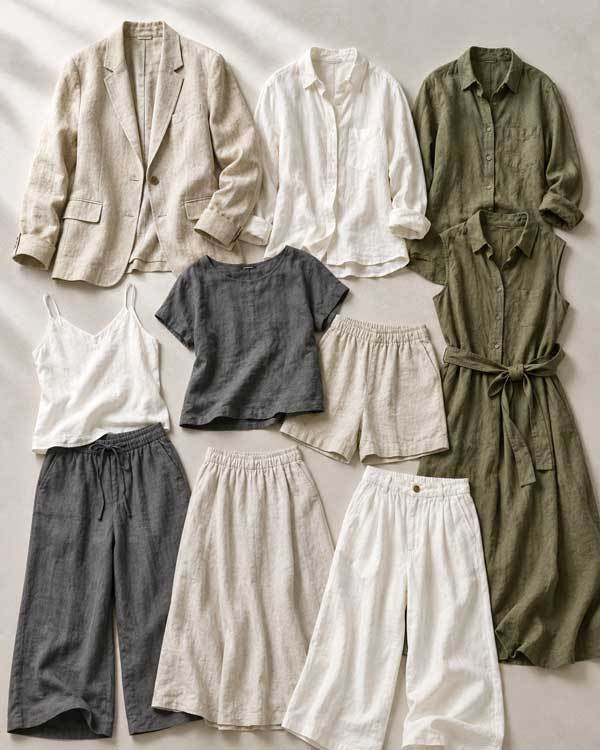
Yes — linen fabric can be genuinely soft, and it becomes softer with every wash, but softness is not a fixed property of the fibre: it is the result of how the flax fibre is spun, woven, and finished. A freshly woven, unwashed linen fabric feels crisp, stiff, and sometimes rough against the skin, while a washed or garment-finished linen of the same fibre feels smooth, supple, and comfortably soft. Both are real linen — the difference is processing, not quality. If you are shopping for linen fabric and want to know whether it will feel soft, this guide explains exactly what controls the softness, why some linen fabrics stay stiff while others soften quickly, how to judge softness before you buy, and how linen's texture compares with cotton and other natural fabrics. Written for anyone buying linen fabric or linen clothing in Europe and North America — sewists, small brands, and everyday shoppers. You will get honest, practical answers based on how flax behaves as a fibre, not marketing claims. Where numbers appear (yarn counts, fabric weights, shrinkage), they reflect standard industry ranges for linen, not one supplier's promise. Flax fibres are naturally smooth and round, but the fabric you feel depends on spinning, weaving, washing, and finishing. The same fibre can feel crisp or silky depending on how it is processed. Yarn thickness, weave density, and fabric weight (gsm) all change how linen touches the skin. A fine, tightly spun, loosely woven linen feels far softer than a coarse, heavy, densely woven one. Linen famously softens with every wash and wear. A fabric that feels board-like at first can feel beautifully supple after three to five washes — one reason linen improves with age. When people ask whether linen fabric is soft, they usually mean one of three different things, and it is worth separating them because they are controlled by different factors: Knowing which kind of softness matters to you changes what you should look for. If you are making shirts or dresses, drape and skin-feel matter most. If you are making home textiles, surface softness may matter more. Most people asking "is linen fabric soft?" are really asking about skin-feel — and the honest answer is that it depends entirely on the grade and finish of the fabric you choose. Stiffness in linen is not a sign of poor fibre. It comes from a handful of very specific causes, and almost all of them can be addressed by finishing or washing: The key point: stiffness is mostly processing and construction, not the flax itself. The same flax plant can produce both a rough, heavy canvas and a silky, fine shirting fabric. Every soft linen you have ever touched was made soft somewhere in the production chain. These are the standard steps, in the order they usually happen: Honest expectation: even a beautifully finished linen will soften further with home washing. Most linen reaches its peak softness after roughly three to five machine washes, and it keeps improving for years. Expect some initial shrinkage too — standard industry range for washed linen is about 3–8%, which is why quality linen garments are pre-washed and cut with allowance. If finishing decides how soft a specific linen feels today, construction decides how soft it can possibly be. Three numbers tell you most of what you need to know when comparing linen fabrics: As a practical rule for clothing: a soft, wearable linen shirting fabric is typically a fine wet-spun yarn, woven at a medium density, weighing roughly 140–200 gsm, and finished with washing or bio-polishing. Heavy 300 gsm upholstery linen, by contrast, is designed for structure and durability — it will never feel like a shirt. This is the comparison people most often ask about, and the honest answer is: at equal quality and finishing, a fine cotton is usually smoother out of the box, but a well-finished linen is not far behind — and linen's softness improves with age in a way cotton's does not. Neither fabric is "better" — they simply feel different. Cotton is softer sooner; linen gets there with patience and then keeps going. Many people who find cotton too clingy or sweaty actually prefer the airy, dry hand of soft linen. Within "linen fabric" there is a wide quality ladder, and grade shows up in softness faster than in any other property. The factors that separate a soft, high-grade linen from a rough, low-grade one: What this means for you: when a fabric label says "100% linen", the question is not whether linen is soft — it is which linen you are holding. A fine European linen with a proper finish feels soft almost immediately; a coarse, minimally processed linen can feel rough even after several washes. Price is not a perfect signal, but very cheap linen is very often coarse linen. You cannot always touch fabric before you buy, especially online. These checks will get you close: Yes. Washing removes remaining wax, starch, and sizing, and gradually relaxes the yarn structure. Linen typically reaches its most comfortable softness after three to five washes and keeps improving slowly for years. This is one of linen's defining qualities — it is one of the few fabrics that becomes more pleasant with age. Almost always. Washed linen has already gone through the softening process once, so it is softer immediately and needs less breaking in. Unwashed linen of the same quality will reach similar softness after you wash it yourself, but it starts out noticeably stiffer. Not necessarily. In linen, a very high thread count usually means a denser, firmer, more structured fabric — which can feel crisper rather than softer. For softness, yarn fineness and finishing matter more than thread count alone. A fine, washed, medium-density linen is typically the softest choice. Scratchiness usually comes from coarse, dry-spun yarn with protruding fibre ends, or from fabric that still carries sizing and plant residues. Choosing wet-spun, washed, or enzyme-finished linen, and washing the piece once before wearing, eliminates most of the scratchiness. KOSSR builds every piece from quality linen, garment-washed so it is soft from the first wear — and softer with every wash after. Explore the collection at www.kossr.com.Is Linen Fabric Soft?
What Does "Soft" Actually Mean for Linen Fabric?
Why Some Linen Fabric Feels Stiff
How Linen Fabric Is Made Soft
Fabric Construction: Yarn, Weave, and Weight
Factor
What it means
Softer direction
Yarn fineness (count)
Thickness of the spun yarn. Finer yarns (higher counts) feel smoother and drape better; coarse yarns feel firmer and more textured.
Fine, high-count, wet-spun yarn
Weave density
How tightly warp and weft are packed. A looser, more open weave bends easily and feels softer; a tight, dense weave is crisper and sturdier.
Loose to medium weave
Fabric weight (gsm)
Grams per square metre. Light linen (140–180 gsm) drapes and feels delicate; mid-weight (180–230 gsm) balances softness and structure; heavy linen (230+ gsm) is firm and tailored.
Light to mid weight for apparel
Linen vs Cotton: Which Feels Softer?
The Grade of Linen Matters More Than You Think
How to Judge Softness Before You Buy
Common Questions About Linen Softness
Find Linen That Feels as Good as It Looks