New Year's Eve in Linen: Elegant Evening Looks in Natural Fabric
- Share
- publisher
- KOSSR
- Issue Time
- Oct 11,2026
Summary
New Year's Eve linen explained: choose a heavier 190-240 gsm fabric, a dark or jewel tone, and a structured silhouette, then add sparkle with metallic accessories. Includes three evening looks, weight and weave guidance, layering for a cold countdown, and men's options.
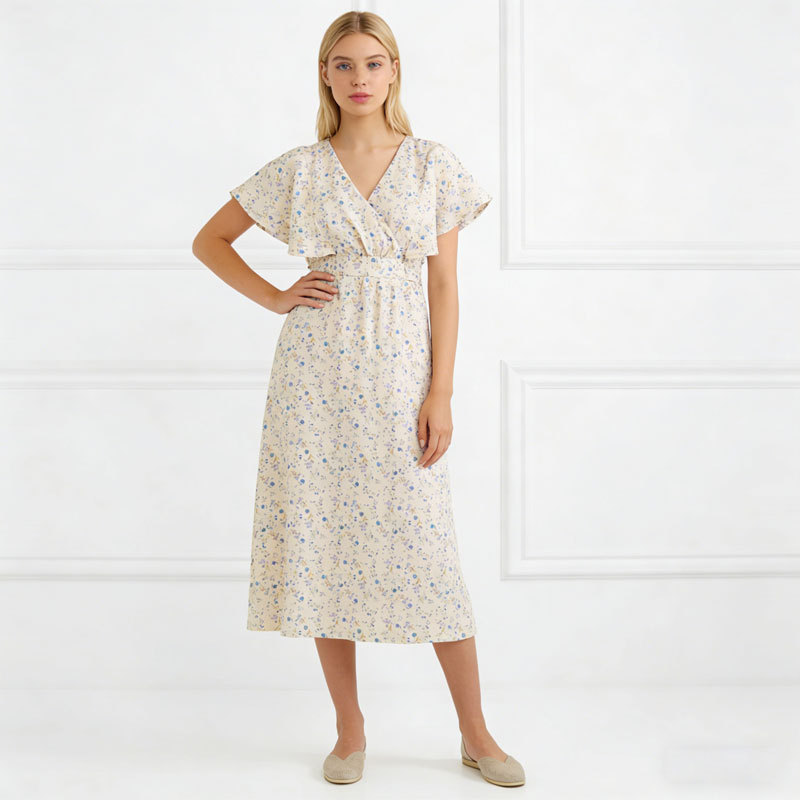
Direct answer: Yes, linen is formal enough for New Year's Eve in every setting short of true black tie. Choose a heavier, tightly woven garment-washed linen of roughly 190–240 gsm in a dark or jewel tone such as black, navy, forest green, or burgundy, keep the silhouette structured and drapey rather than loose, and move the sparkle into your accessories — metallic jewellery, a satin-lined clutch, a silk scarf, or a slim metallic belt. Linen's matte surface reads quietly expensive under low light, its hollow fibre keeps you comfortable through a long dinner and a heated room, and a five-minute steam makes it photo-ready before midnight. Browse the linen dresses collection to see the column and midi cuts that hold an evening line. This guide covers the formality ceiling, three complete looks, the weight and weave to choose, layering for a cold countdown, men's options, and how to get linen ready for photographs. New Year's Eve is the one night of the year when almost everyone dresses up, and it is also the night when almost everyone is uncomfortable. The evening usually begins in cold air, moves into a heated room filled with people, involves a long seated dinner, and ends after midnight when the heating is still on and the drinks are still flowing. That is a demanding set of conditions, and it is the exact sequence where linen performs better than almost any other natural fabric. Linen is a hollow-fibre cellulose fabric woven from the flax plant. The hollow structure lets it move moisture vapour away from the skin and release heat instead of trapping it. In a room that climbs from roughly 4°C outside to 23°C inside across four hours, that property means you stay comfortable while people in tight wool and polyester begin to look flushed. For a night that runs from eight in the evening until one in the morning, comfort is not a small detail — it is the difference between enjoying the countdown and counting the minutes until you can leave. There is a second, more visual reason. Linen has a natural irregular slub and a matte finish. Under candlelight and warm restaurant lighting, matte surfaces absorb light softly, so mid-weight linen looks textured and deliberate rather than shiny and cheap. A satin dress catches every camera flash; a linen dress absorbs it. On a night when everyone will be photographed, that quiet matte quality is an advantage, and it lets the fabric do the work so you can keep your jewellery simple. The pieces that carry the look — column dresses, tailored trousers, structured blazers — are exactly the ones cut for evening, and the linen dresses category is where they start. None of this means linen is a compromise choice you tolerate for comfort. Worn the right way, it is the more interesting choice: a fabric with visible texture in a room full of smooth synthetics, and one that behaves gracefully as the night gets longer and warmer. img prompt: Close-up of dense deep navy garment-washed linen fabric with visible natural slub, folded beside a gold cuff bracelet and a satin clutch on a dark surface, warm side lighting, material detail photography The honest answer to “is linen formal enough” depends entirely on how formal the invitation is. Linen sits comfortably at the dressy end of semi-formal and throughout cocktail, and it stops just short of true black tie. Read the invitation before you decide, because the same fabric that looks elegant at a restaurant dinner can look underdressed at a gala. There are three things that decide where a linen look lands on the formality scale: weight, weave, and tailoring. A 110 gsm open-weave summer shirt will always read casual no matter how you style it. A 220 gsm tightly woven linen with a defined waist, a clean hem, and a structured shoulder reads semi-formal immediately. Tailoring is the tiebreaker, because linen's natural drape means the cut does most of the formal work — a well-set neckline and a sharp shoulder line signal intention. If you want to understand how far the fabric can be pushed before it stops looking effortless, our guide on whether linen can look elegant walks through the styling signals that make the difference. The line is real, and it is useful to know exactly where it falls. If the invitation says black tie, the expectation is a specific fabric language — silk, satin, velvet, or fine wool — and linen is not the right answer. If it says cocktail, semi-formal, festive, or dressy-casual, linen is not only acceptable but often the smartest choice, because you will be comfortable for hours while still looking considered. The one adjustment that raises linen a level is tailoring: sharper shoulders, a defined waist, and a heavier weight move the same dress from brunch to midnight dinner. New Year's Eve invitations use a narrow vocabulary, and each phrase tolerates a different amount of linen. Before choosing a garment, identify which of these four buckets your evening falls into, then match the fabric weight and styling to it. Getting this right is the difference between looking deliberately elegant and looking as if you misread the room. If you are unsure which bucket applies, look at the venue rather than the words. A seated dinner in a private room is semi-formal even if the invitation says “festive.” A standing party in a bar is cocktail even if it says “casual.” Venues set the real dress code, and dressing slightly above the room is always safer than dressing below it. Fall and winter formality has its own conventions, and the same principles used for a fall wedding in linen apply directly here: weight, colour, and tailoring carry the formality, not the fibre's reputation. Rather than thinking in terms of garments, build the look in layers: a base silhouette, a set weight, a locked-in colour, and accessories that carry the sparkle. The four decisions below produce three different complete outfits, so you can copy the one that matches your evening. Start with a midi or maxi column dress in 200–240 gsm linen with a defined waist seam or wrap tie. A column skims rather than clings, which is what denser linen needs to hang well. Add gold or silver hoop earrings, a slim metallic belt if the dress is straight-cut, and a closed-toe block heel. Carry a small structured clutch so the line stays clean, and finish with a longline blazer or a drapey wrap for the walk from car to door. This is the most reliable New Year's Eve look because the dress breathes while the accessories supply the formality, so it works in both a warm restaurant and a cooler venue. For a party that moves between indoors and a terrace, separates beat a dress. Pair high-waisted wide-leg linen trousers with a silk-touch top in a contrasting tone, then add a structured linen or wool-blend blazer. The wide leg gives you room to sit and stand comfortably, and the blazer comes off once the room warms. Choose trousers in the darkest tone and a top one shade lighter for a tonal look that photographs well. Browse linen pants for cuts that hold a crease through a long evening, and test the sit-down test before you commit: sit, cross your legs, and raise your arms to check that nothing pulls or bunches. If you are hosting, comfort and movement matter more than anything. A matching linen set in a deep tone, worn with leather loafers or a low heel and simple metallic jewellery, reads relaxed but deliberate. Darker colours hide the inevitable splash from a tray of drinks, and a long cardigan covers the cold corner of the room without bulk. The same set doubles as a comfortable outfit for the slow morning after, which is one reason a linen set earns its place in the New Year rotation. The single most useful number when shopping for event linen is the fabric weight, measured in grams per square metre. Weight determines drape, opacity, warmth, and how well a garment recovers after you have been sitting for an hour. On a night that runs long, this number matters more than the colour. KOSSR prints the weight on every product page and pre-washes each piece, so the fabric you receive has already relaxed and will not surprise you after the first wash. Weave is the second variable and almost as important. A tighter plain weave holds a press and resists creasing better than a loose, open weave, so for an evening look choose a closely woven linen over a slubby basket weave. Twill and herringbone linen, where available, add a subtle sheen and extra body that reads as formal under low light. Weight and weave together decide how the fabric drapes, and drape is what separates an evening garment from a daytime one. Heavier, tighter linen falls in clean vertical lines rather than collapsing into soft folds, which is exactly the quality a column dress or a tailored trouser needs. A quick in-store test: hold the garment against a bright window. If you can clearly see your hand through it, it is too light for New Year's Eve. If the fabric blocks the light and hangs with weight in your hand, it will hold an evening silhouette. Pre-washing also changes the maths, because garment-washed linen has already shrunk and softened, so the length and drape you see are stable. If you are weighing natural fibres against each other for a dressy night, our comparison of linen versus silk explains when each one deserves the evening slot. Colour is what turns nice linen into festive linen, and the New Year's Eve palette is narrower and deeper than the summer one. It should also be chosen with your venue's lighting in mind. Warm tungsten and candlelight flatter deep, saturated tones; cool white LED lighting favours black, navy, and crisp white. When in doubt, a dark jewel tone is the safest choice because it flatters most skin tones and hides the small creases that appear after sitting. Shimmer in linen should be structural rather than glittery. Because the fabric is matte, the shine has to come from what you place next to it: a gold chain that catches candlelight, a satin-lined clutch, metallic sandals, or a silk scarf. Avoid sequins and heavy beading directly against linen, because the friction can catch the fibre and pull loose slubs. The finishing pieces do the festive work, and the linen accessories range shows how the brand styles its own evening looks, which is a useful reference for the tonal direction to follow. New Year's Eve is rarely one climate. You cross a cold street, enter a warm venue, and step back out at one in the morning. Linen is an excellent inner layer because it manages that transition, but it needs a thoughtful outer layer to stay elegant. The rule is thin and warm over structured, never bulky over loose. For a rooftop countdown, add a wrap or a long scarf that you can keep on through the coldest part of the evening. A textured layer near the face also frames photographs better than a bare neckline. The layering logic here is the same one that carries linen into cooler months generally, and our guide to linen blazers and jackets for layering covers the middle-layer options in more detail. Men's linen is no longer a summer-only story, and New Year's Eve is where it earns its place. The trick is to treat linen like a lightweight alternative to a shirt-and-jacket uniform rather than a beach shirt. A long-sleeve linen shirt in black, navy, or deep green, tucked into tailored trousers, is the foundation. A linen or linen-blend blazer turns it into a semi-formal look, and a fine-gauge knit overshirt adds warmth without weight. Fit matters more than colour here. A linen shirt should sit close across the shoulders but leave three to five centimetres of ease through the chest, because linen does not stretch. Sleeves should reach the wrist bone and stop, not bunch at the hand. If you are between sizes, size up and let tailoring fix the waist. Pair the shirt with darker trousers so the linen reads structured rather than relaxed, and keep it pressed for at least the first hour of the evening. Between the shirt and blazer, linen can look every bit as considered as a wool suit while being far more comfortable in a full room. Details decide whether linen looks intentional or accidental. Because the fabric is casual at its core, the accessories have to carry the formality. For an indoor venue, choose a closed or pointed shoe and keep the toe defined; reserve open sandals for warm-weather parties only. Leather and suede hold a polished finish better than canvas under low light, and they photograph more warmly against dark linen. For bags, echo the metal of your jewellery so the outfit feels coordinated rather than assembled at the last minute. A small structured clutch or box bag sharpens the line; a soft shoulder bag blurs it. Keep the shoe slender against a wide linen trouser, because linen has more volume than a knit and a chunky shoe shortens the leg. Break your shoes in before the event, since party floors are usually harder and the evening runs longer than a normal night out. One statement piece is enough — oversized earrings, a bold cuff, or a single long necklace. Three competing pieces will fight the fabric's texture. Creases are the most common objection to party linen, and they are manageable with a short, repeatable routine. The goal is not a perfectly flat, starch-stiff garment; it is a relaxed, intentional texture with the sharp folds removed. Five minutes is enough if you work in the right order, and a little more if you want to remove the deeper creases from storage. Accept that linen will crease where you sit and bend; that is part of the fabric's character, and a slightly relaxed texture now reads as a sign of genuine natural fibre rather than a fault. The exception is a formal dinner, where you should choose a tighter weave and heavier weight precisely to minimise how much creasing shows. For a deeper technical walkthrough, see our guide on how to remove wrinkles from linen. Because linen does not stretch, fit is the factor most likely to ruin an otherwise perfect evening. A dress that fits well when you stand in front of a mirror can feel restrictive two hours into a seated dinner. Shop for the seated body, not the standing one, and allow a little more room than you would in a knit. Linen genuinely softens with wear and washing, so a garment that feels slightly crisp on the first evening becomes more comfortable each time you wear it. That is one of the fibre's quiet advantages: the dress you wear this New Year's Eve will fall better next year. If you are unsure between two sizes, the brand's fit guidance is a better guide than guesswork. Yes, in any setting short of true black tie. Choose a heavier, tightly woven linen of roughly 190–240 gsm in a dark or jewel tone, keep the silhouette structured, and add shine through accessories. A column dress or tailored linen suit reads semi-formal and elegant; only a black-tie code calls for a different fabric. Black, navy, forest green, deep olive, and burgundy are the safest and most flattering choices. Warm venues with candlelight suit deep saturated tones, while cooler lighting favours black, navy, and crisp white anchored with a dark layer. Pale linen only works when a dark blazer or a metallic accessory provides contrast. Steam the garment rather than pressing it flat, work the collar, cuffs, and centre seams first, and hang it on a wide hanger until you leave. A five-second steam at the venue fixes transport creases. Accept some relaxed creasing at the elbow and lap, because it is normal for natural linen and reads as texture rather than a fault. Yes. A long-sleeve linen shirt in a dark tone, tucked into tailored trousers, forms the base, and a linen-blend blazer lifts it to semi-formal. Keep the fit close through the shoulders with a few centimetres of ease through the chest, match the belt to the shoes, and choose leather loafers or derbies rather than sandals. Then choose a different fabric. Black tie expects silk, satin, velvet, or fine wool, and linen reads a level too relaxed for it. Save the linen for the dinner, the day party, or the informal gathering earlier in the season, where it will look far more appropriate. New Year's Eve linen comes down to four decisions: a heavier, tighter fabric of roughly 190–240 gsm, a dark or jewel tone, a structured silhouette, and shine supplied by accessories rather than the cloth. Nail those and you get an outfit that handles heated rooms and long dinners while looking deliberate under low light. Know where the formality ceiling sits, keep a steamer within reach, choose closed-toe shoes, and let the matte texture of natural linen work for you. If you want to see the same principles applied to another festive evening, our guide to holiday party outfits in linen covers the wider party season. Planning your New Year's Eve look? Start with a mid-weight column dress or a tailored two-piece in a deep tone, then add the metallic finishing pieces that carry it into midnight. Explore the KOSSR linen dresses to find your colour and weight, and celebrate the new year in a fabric that breathes all night.New Year's Eve in Linen: Elegant Evening Looks in Natural Fabric
Why Linen Belongs at New Year's Eve
What linen gives you on the night
What to keep in mind
[IMAGE_PLACEHOLDER]
How Formal Can Linen Go? Setting the Ceiling
Setting Typical dress code Linen verdict Best linen choice House party with friends Festive casual Excellent Linen set in a deep tone with metallic jewellery Restaurant dinner Cocktail to semi-formal Excellent Column midi dress, 200–240 gsm linen Rooftop countdown Festive to cocktail Very good with layers Linen trousers and a dressy top under a long coat Hotel gala or ball Formal Good with tailoring Linen suit or structured column dress, no light tones Black-tie gala Black tie Not appropriate Choose silk, satin, velvet, or fine wool instead Decoding New Year's Eve Dress Codes
Three Complete New Year's Eve Linen Looks
1. The midnight column
2. The rooftop countdown
3. The at-home host look
Look Base Layer Accessories Midnight column Midi linen dress, 200–240 gsm Longline blazer or wrap Gold hoops, metallic clutch, block heel Rooftop countdown Wide-leg trousers and a dressy top Structured blazer Slim belt, delicate necklace, loafers At-home host Linen set in a deep tone Long cardigan Pearl studs, leather flats
Weight, Weave and Drape for Evening Structure
Weight (gsm) Feel Best for Evening verdict 110–130 Light, airy, slightly translucent Summer tops, beach cover-ups Avoid for evening 140–160 Everyday shirt weight Daywear and casual layers Only under a dark layer 170–190 Mid-weight, good body Dresses, tailored tops, smart casual Strong all-round choice 200–240 Substantial, structured Blazers, column dresses, suits, trousers Best for a formal evening The New Year's Eve Colour and Shimmer Strategy
Layering for a Cold Countdown
Men's New Year's Eve Linen
Shoes, Bags and Sparkle: Finishing Details
Getting Linen Photo-Ready Before Midnight
Sizing and Comfort for a Long Night
Frequently Asked Questions
Is linen formal enough for New Year's Eve?
What colour linen is best for New Year's Eve?
How do I stop linen from wrinkling at a party?
Can men wear linen on New Year's Eve?
What if the invitation says black tie?
The Short Version