Why Linen Is Perfect for Summer Living | KOSSR Linen Lifestyle Guide
- Share
- Issue Time
- Aug 21,2026
Summary
Why linen is perfect for summer living — breathability in heat, moisture control in humidity, sun protection, easy care, and honest limits. Build a linen summer wardrobe that works.
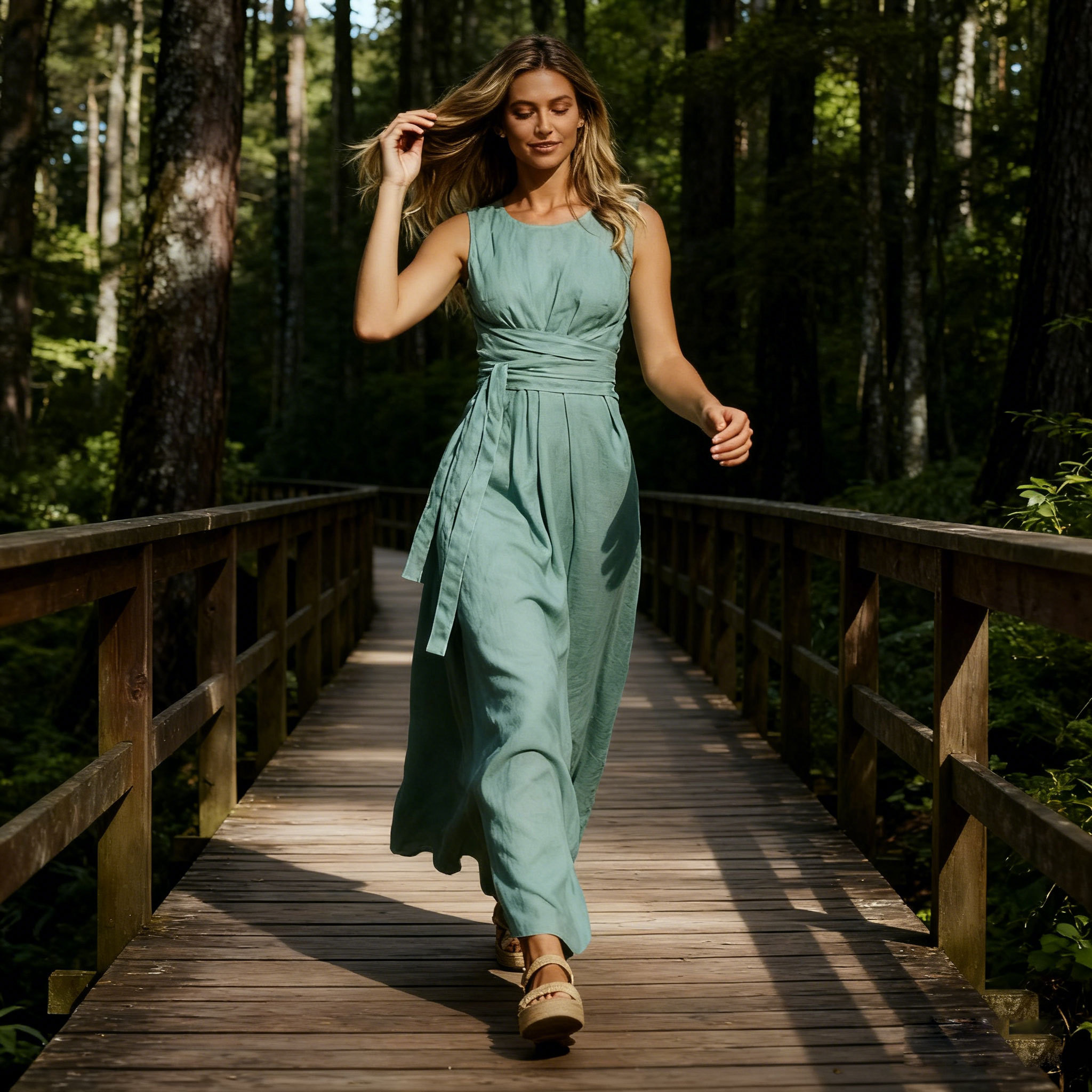
Why Linen Is Perfect for Summer Living
Linen is the most practical fabric for summer living because it does what summer actually demands: it breathes in the heat, dries fast in humidity, protects the skin from the sun, and still looks considered when the temperature makes everything else feel heavy. Summer is not one single situation — it is a heatwave commute, a humid afternoon market, a garden dinner that runs late, a beach day, a train journey without air conditioning, and a bedroom too warm to sleep in. Linen earns its reputation because it performs across all of those settings at once. It is not a holiday fabric kept for the coast; it is a daily fabric for the months when comfort is decided by what you wear. This guide explains the science of why linen works in summer heat and humidity, how it compares with other warm-weather fabrics, how to build a summer wardrobe around it, which pieces earn their place, how to care for it so it stays fresh all season, and the honest limits of what linen can and cannot do.
This is a practical lifestyle guide, not a promotional list. It explains how linen behaves in heat and humidity, with fabric facts that are consistent with how flax fibre and linen textiles are described across the industry. It is written for women in Europe and North America who live through real summers — cities, suburbs, and coasts — and want a wardrobe that works with the heat instead of against it.
What Summer Living Actually Demands From a Fabric
Before comparing fabrics, it is worth listing what summer really asks of clothing, because most warm-weather fabrics only answer part of the question. A summer wardrobe item has to handle several jobs at once:
- Heat management. The fabric should let body heat escape and let air move against the skin. Trapped heat is the fastest route to a miserable summer day, and the first job of any warm-weather fabric is to avoid creating it.
- Moisture handling. Summer means sweat — on the commute, at the market, in the garden. A good summer fabric moves moisture away from the skin and dries quickly, instead of holding it against the body like a wet towel.
- Sun protection. Clothing is the most reliable sun protection most people have, and summer means more sun exposure. The fabric should block a meaningful share of UV without requiring the wearer to think about it.
- Comfort in motion. Summer living involves movement — walking, carrying, sitting outside, moving between shade and sun. The fabric needs to stay comfortable whether you are still or active, and it should not cling when it gets warm.
- Practicality. Summer fabrics get washed more often. They need to survive frequent washing, dry reasonably fast, and not require constant ironing to look acceptable. A fabric that needs daily steaming is a fabric that will not actually get worn.
- Looking intentional. Summer is also a social season — dinners, trips, events. The fabric should read as considered rather than as something grabbed because nothing else was cool enough.
Very few fabrics answer all six at once. Cotton answers comfort but holds moisture. Synthetics answer performance but trap heat and feel clammy. Linen is the rare fabric that answers every item on the list reasonably well — not perfectly, but better balanced than any single alternative. That balance is the entire reason linen keeps appearing in summer wardrobes generation after generation.
Why Linen Handles Heat: The Structure of the Fibre
The heat performance of linen is not marketing — it is structural. Flax fibre, the plant fibre linen is made from, has a hollow, tube-like structure with natural microscopic channels along its length. That structure gives linen three properties that matter enormously in summer:
- Air moves through it. The hollow fibre core and the open weave of most linen fabrics create continuous paths for air. When the air around you moves even slightly — a breeze, a fan, your own walking speed — that air passes through the fabric and carries heat away from the skin. This is why linen feels noticeably cooler than a fabric of the same weight that traps air instead of moving it.
- It releases heat instead of insulating. Many fabrics, especially synthetics, act as a mild insulator even when thin — they hold body heat against the skin. Linen does the opposite: it conducts heat away from the body and releases it to the air, which is why a linen shirt worn in shade actually feels cooler than the same shirt in cotton.
- The weave creates micro-ventilation. Even a plain-weave linen has slight irregularity from the natural flax yarns, creating tiny gaps that let air pass. As the fabric softens with washing, this openness increases, which is why a well-worn linen garment often feels cooler than a brand-new one.
The practical result: in dry heat, linen is one of the coolest fabrics you can wear. The airflow effect is strongest when the air is dry enough to carry heat away. In humid heat the effect changes — the fabric still breathes, but the air itself is saturated, so moisture management takes over as the deciding factor.
What this means for a hot day: choose linen for the situations where you are moving between sun and shade, indoors and outdoors, sitting and walking. The fabric keeps working in every transition, which is exactly what summer living is made of.
How Linen Handles Humidity and Sweat
Humidity is the harder summer test, and it is where linen separates itself from cotton. The key difference is how the two fibres manage moisture:
- Linen absorbs moisture into the fibre, not onto the surface. Flax fibres can absorb roughly 20–30% of their own weight in moisture while still feeling dry to the touch. The moisture is drawn inside the hollow fibre structure, away from the skin, so the fabric does not feel clammy or sticky the way surface-wet fabric does.
- It releases moisture quickly. Once absorbed, moisture travels along the fibre channels to the fabric surface, where it evaporates into the air. Linen dries noticeably faster than cotton in the same conditions — a critical difference on a humid day when nothing seems to dry.
- It does not cling when damp. A sweat-dampened linen garment stays off the skin, keeping a thin layer of air between fabric and body. Damp cotton and most synthetics cling, which removes that air layer and makes the heat feel worse.
- The drying effect cools the skin. As moisture evaporates from the fabric surface, it pulls heat from the skin — the same principle that makes evaporative cooling work. Linen effectively helps the body use its own sweat as a cooling system instead of letting it pool against the skin.
In a humid heatwave, this combination — absorb, move, release, cool — is the difference between a shirt that feels damp by lunchtime and a shirt that stays wearable through the whole day. It is not magic, and linen does not make humidity disappear; it just manages moisture far better than the alternatives.
| Situation | Linen | Cotton | Typical synthetics |
|---|---|---|---|
| Dry heat (30+ °C, low humidity) | Excellent — strong airflow and heat release | Good — comfortable but less airflow | Poor — traps heat against the skin |
| Humid heat (28+ °C, high humidity) | Very good — absorbs and releases moisture, dries fast | Moderate — absorbs but dries slowly, can feel heavy | Poor — holds moisture on the surface, feels clammy |
| Active days (walking, markets, travel) | Very good — stays off the skin, resists cling | Moderate — clings when damp | Varies — performance types wick but can feel synthetic |
| Evenings and dinners | Excellent — looks intentional, drapes well | Good — casual but neat | Varies — can look and feel heavy |
One honest note: in extreme humidity where the air is nearly saturated, no fabric can make sweat evaporate quickly, because evaporation itself slows down. Linen still feels better than the alternatives because it keeps moisture off the skin, but it does not defeat physics. For the very worst days, loose cuts and lighter weights help more than any fabric choice alone.
Linen as Sun Protection
Summer living means more time in the sun, and clothing is the most reliable form of sun protection — it cannot wash off, does not need reapplying, and covers the skin completely. Linen contributes to sun protection in a practical way, with an important caveat:
- Mid-weight, tightly woven linen blocks a meaningful share of UV. A typical linen garment in a plain weave at a normal weight provides a useful barrier — commonly described in the UPF 20–30 range depending on weave density and colour. That is real protection for daily life: a full day of exposure would accumulate far less UV through linen than through bare skin or a sheer fabric.
- Darker colours and tighter weaves protect more. A navy linen shirt protects better than a white one of the same weave, because the dye absorbs more UV. If sun protection is a priority, choose deeper colours and avoid very open or heavily washed-out weaves that let more light through.
- Light linen is not a full sun barrier. A white, loosely woven, lightweight linen garment is pleasant in the heat but offers limited UV protection. Treat it as light cover, not as sun protection — for long direct exposure, pair it with sunscreen on exposed skin, a hat, and shade where possible.
- Coverage matters more than the fabric. A long linen sleeve or a linen scarf covers skin that would otherwise be exposed, and coverage is the most reliable sun strategy. Linen's comfortable drape makes full coverage practical in heat, which is part of why loose linen clothing is a traditional summer choice in sunny climates.
The honest framing: linen is a good everyday sun companion, not a substitute for sunscreen. It protects meaningfully through coverage and weave, and it does so without making you hotter — which is exactly the trade-off that fails with most other fabrics.
Building a Summer Wardrobe Around Linen
Linen is most useful as a system, not a single garment. A summer wardrobe built around linen works because the pieces share the same performance profile and the same visual language — neutral tones, natural texture, relaxed drape — so they combine effortlessly. The core of a practical linen summer wardrobe looks like this:
- One or two linen dresses. The single most efficient summer garment: one piece covers the whole outfit, breathes all day, and transitions from daytime to dinner with a change of shoes. A midi or maxi dress in a neutral tone is the workhorse; a shorter or brighter style adds variety. See the linen dresses collection for the range.
- Linen tops and shirts. The building blocks of hot-weather layering. A relaxed linen shirt worn open over a tank, or tucked into linen trousers, covers markets, lunches, and travel days. Tops give the wardrobe flexibility that dresses cannot. Browse the linen tops collection for options.
- Linen bottoms — trousers, shorts, skirts. Linen trousers work for almost every summer situation, from city days to evenings; shorts cover the hottest hours; skirts add an airy option that still looks considered. One of each, or two of the one you live in, gives the wardrobe real range. Explore the linen bottoms collection.
- Matching sets. A linen set (top and bottom in the same fabric) removes outfit decisions entirely and photographs well on trips. One neutral set is a worthwhile addition for travel and busy weeks. See the linen sets collection.
- Loungewear for the warmest hours. At home, when the temperature peaks, loose linen loungewear keeps you comfortable without resorting to synthetic athleisure that traps heat. The linen loungewear collection covers the at-home side of summer.
The guiding rule is the same one that applies to any seasonal wardrobe: buy pieces that answer multiple summer situations, in colours that mix with each other. Two linen dresses, two tops, two bottoms, and one set — all in a shared neutral palette — cover an entire summer with fewer items than most people think they need.
How to Wear Linen Across a Real Summer Day
Linen's value shows in the transitions — the way one wardrobe carries you through a day that keeps changing. Here is how a linen-based wardrobe works through a typical summer day, from morning to evening:
- Morning commute (city heat building). A linen shirt or dress worn loose, with flat sandals or white sneakers. Linen's airflow keeps the commute bearable before the day fully heats up, and the garment does not cling when you move between air-conditioned train and hot street.
- Midday (hottest hours). The same garment keeps working, which is the point. If the day is truly extreme, a linen shorts set or a sleeveless linen top is the lightest practical option. A wide-brim hat and shade fill the gaps that fabric cannot.
- Afternoon errands and markets. Linen's moisture handling matters most here — moving between shaded stalls, warm air, and brief sun. The fabric dries quickly after any damp patches and stays off the skin.
- Early evening (garden dinner, terrace). A linen dress or trousers with a structured top shifts effortlessly to evening with heeled sandals and simple jewellery. Linen's texture photographs warmly in evening light, which is why it dominates summer dinner wardrobes.
- Late evening (warm night, still air). Linen loungewear or a loose linen shirt for sleeping — the same breathability that works during the day helps in a warm bedroom where synthetic sleepwear holds heat.
Notice that the wardrobe does not change across the day — the garments carry the transitions. That is the practical meaning of "summer living": not special-occasion dressing, but daily wear that stays comfortable from the first cup of coffee to the last hour of a warm evening.
The summer linen formula: loose cut + natural colour + breathable weave + shoes that set the tone. Change the shoes and accessories and the same linen pieces cover every hour of the day.
Choosing the Right Linen for Your Summer
Not all linen behaves identically in summer, and choosing the right weight and finish makes a real difference. Two quick decisions at purchase time determine how the garment performs:
- Weight (gsm). For summer living, the practical range is roughly 130–200 gsm. Around 130–160 gsm the fabric is light, airy, and ideal for the hottest days and for travel — it packs small and dries fast. Around 170–200 gsm the fabric has more body, holds its shape through the day, creases less aggressively, and still breathes well; it suits trousers, structured dresses, and evenings. Very heavy linen above 220 gsm is warm-season outerwear territory, not hot-day fabric.
- Garment-washed vs unwashed. Garment-washed linen arrives soft, pre-shrunk, and ready to wear — the practical choice for summer, because it is comfortable from the first day and survives frequent washing without surprise shrinkage. Unwashed linen is crisper at first and softens over the first few washes; if you choose it, wash it before the first wear. Either way, the fabric improves with washing, and softened linen breathes even better than new linen.
- Weave density. A slightly tighter weave gives more structure and more sun protection but less airflow; a looser weave maximises airflow but offers less cover. For most summer days, a standard plain weave at 150–190 gsm is the balanced choice that does everything reasonably well.
If you are choosing linen primarily for heat, prioritise weight and cut over brand. A 160 gsm garment-washed linen shirt in a relaxed cut will outperform a heavier designer piece on a hot day, and it will feel better with every wash.
Caring for Linen Through the Summer
Summer is hard on clothes — more washing, more sweat, more sun, more travel. Linen handles the season well, but a few care habits keep it performing at its best:
- Wash cool or lukewarm. 30 °C or below on a gentle cycle, with a mild detergent. High heat is the main enemy of summer linen: it shrinks the fabric and can stiffen it. Cool washing also protects the colour of the light, sun-friendly tones linen comes in.
- Let it air dry, or tumble dry briefly on low. Linen dries fast anyway — one of its summer advantages. Air drying on a line or hanger is gentlest; if you use a dryer, keep it short and low. Never dry linen fully on high heat.
- Do not over-wash. Linen resists odour better than synthetics, so it does not need washing after every single wear. Airing a linen garment overnight between wears keeps it fresh and reduces wear on the fabric. Wash when it is actually soiled or after heavy sweating.
- Steam instead of ironing. A travel steamer or a hanging steamer releases creases in minutes without pressing the fabric flat. If you prefer ironing, iron while the garment is slightly damp — it gives the crisp finish some people love for evenings.
- Store it loose, not crushed. At the end of a hot day, hang linen or fold it loosely rather than crushing it into a drawer. Linen holds creases from storage, and releasing them is unnecessary work.
For the full routine — including what to do about stains, shrinkage, and stubborn wrinkles — our how to wash linen clothing guide covers it step by step, and the how to remove wrinkles from linen guide handles the fast fixes.
When Linen Is Not Enough: Honest Limits
Linen answers most of summer, but not all of it. Knowing the limits saves you from expecting something the fabric cannot deliver:
- Extreme, still, humid nights. When the air is saturated and unmoving, linen cannot manufacture a breeze. It keeps moisture off the skin and stays more comfortable than alternatives, but it will not feel cool. A fan or air movement does more than any fabric can in that situation.
- High-intensity activity. Linen is excellent for walking and everyday activity, but it is not a performance fabric. For heavy exercise, technical fabrics designed for sport manage sweat differently. Choose linen for the living part of summer and performance wear for the workout part.
- Formal summer events. Linen reads as smart-casual at most. A structured linen dress or a pressed linen suit can reach business-casual, but a black-tie or strictly formal event needs different fabric territory. Linen is for the elegant side of casual, not for high formality.
- If you cannot accept wrinkles. Linen creases — that is part of the fabric and part of its charm. If creasing genuinely bothers you, a heavier linen, a linen blend, or a tightly woven style will crease less, but nothing removes the wrinkle factor from pure linen. Treat creases as the fabric's honest signature rather than a flaw.
- Very light white linen in strong direct sun. As noted above, pale, loosely woven linen offers limited UV protection. For long hours of direct exposure, choose deeper colours or add sunscreen and shade. Linen is a partner in sun safety, not a replacement for it.
These limits do not diminish linen's summer role — they define it. The fabric is exceptional at daily summer living, and honest about its boundaries, which is precisely why it remains the most trusted warm-weather fabric rather than a hyped alternative.
Frequently Asked Questions About Linen in Summer
Is linen actually cooler than cotton in summer?
In most summer conditions, yes. Linen's hollow fibre structure and open weave let air pass through and release body heat, so it feels cooler than cotton of the same weight in dry heat. In humid heat, the bigger advantage is moisture: linen absorbs sweat into the fibre and dries faster, so it stays off the skin instead of clinging. Cotton is comfortable and absorbent, but it holds moisture longer and clings when damp.
Does linen keep you cool in humidity?
It handles humidity better than most fabrics, though it cannot defeat it. Linen absorbs up to roughly a fifth to a third of its own weight in moisture while still feeling dry, moves that moisture to the surface, and releases it quickly. On a humid day that means less clamminess and faster drying than cotton or synthetics. In truly saturated, still air, no fabric feels cool — but linen still feels the least uncomfortable of the common options.
Is linen good for hot weather?
Yes — it is one of the best fabrics for hot weather. Breathability, heat release, moisture management, and fast drying make it a natural choice for warm days, and it improves with washing as the fabric softens and opens up. Loose cuts and lighter weights extend its range into the hottest conditions. For a deeper breakdown, see our guide to whether linen is good for hot weather.
Does linen protect from the sun?
Partially, and usefully. Mid-weight, tightly woven linen in a darker colour provides meaningful UV protection — commonly in the UPF 20–30 range depending on weave and colour — and full-coverage linen garments protect the skin they cover. Pale, lightweight, or heavily washed-out linen offers limited protection, so for long direct exposure combine it with sunscreen and shade. Linen is a practical everyday sun companion, not a replacement for proper sun protection.
How should I care for linen in summer?
Wash cool or lukewarm (30 °C or below) on a gentle cycle with mild detergent, air dry or tumble dry briefly on low, steam rather than iron, and wash only when needed — linen resists odour and benefits from airing between wears. Avoid high heat, which shrinks and stiffens the fabric. This routine keeps summer linen soft, colour-rich, and fresh through the whole season.
How Linen Compares With the Other Summer Fabrics
Linen is rarely the only option in a summer wardrobe, and it is worth being precise about where it wins and where other fabrics genuinely compete. Here is an honest comparison with the main warm-weather alternatives:
- Cotton. Cotton's great strength is softness and affordability; its weakness in summer is moisture. Cotton absorbs sweat but holds it, dries slowly, and clings when damp. In dry heat, cotton is comfortable; in humidity, linen clearly outperforms it. Many people combine both — cotton for softer loungewear, linen for the hours when performance matters.
- Rayon and viscose. These drape beautifully and feel smooth against the skin, which makes them popular summer choices. But they absorb moisture without releasing it efficiently, can feel clammy in humidity, and are less durable than linen — rayon garments often lose shape and softness after repeated washing. Linen lasts longer and manages moisture better, at the cost of a crisper hand-feel.
- Silk. Silk is luxurious, light, and genuinely cool in dry heat, and it regulates temperature well. Its weaknesses for daily summer living are practicality: it is delicate, needs careful washing, and is expensive to replace. Linen offers similar airflow with far more durability and easier care. For special occasions silk wins; for daily summer, linen is the workhorse.
- Performance synthetics (polyester, nylon). Sportswear synthetics wick sweat well and dry fast, which is why they dominate activewear. But they trap heat against the skin, can feel clammy in still air, and hold odour more readily than natural fibres. They are the right tool for intense activity; they are a poor choice for a day of markets, dinners, and transitions. Linen and synthetics solve different problems.
- Linen blends. A linen blend (with cotton, viscose, or modal) trades some of pure linen's breathability and texture for softer hand-feel, easier care, or lower creasing. Blends are a reasonable middle ground for people who want most of linen's benefits with fewer wrinkles — but for maximum summer performance, pure linen remains the stronger choice.
The pattern is consistent: every alternative beats linen in one dimension — cotton in softness, rayon in drape, silk in luxury, synthetics in wicking — but none matches linen across the full set of summer needs. That is why linen is not a niche choice but the default for people who actually live through hot summers.
Linen for the Parts of Summer Nobody Talks About
Most summer advice focuses on the beach and the holiday. But summer living is mostly ordinary days, and linen earns its keep in the unglamorous hours too:
- Working from home in a heatwave. Air conditioning is not always available or affordable. Linen loungewear or a linen shirt keeps you comfortable at the desk without the synthetic-clammy feel of athletic wear. It also looks presentable enough for a video call, which loungewear rarely does.
- Commuting without air conditioning. Buses, trains, and walking routes in summer heat are the real test of a fabric. Linen's airflow and moisture handling keep the commute bearable, and it does not develop the odour buildup that synthetic commuter wear does by the end of the day.
- Sleeping on warm nights. A warm bedroom is one of the hardest parts of summer. Linen sleepwear or a loose linen shirt — and linen bedding, if you are shopping for it — lets air move and moisture escape through the night, which is precisely what synthetic sleepwear prevents. It is one of the most underrated uses of the fabric.
- Gardening and outdoor chores. Light linen cover protects the arms from sun while staying breathable, and it washes clean easily. A long-sleeve linen shirt is genuinely practical outdoor workwear in summer — better than cotton, which soaks through, and better than synthetics, which trap heat.
- Events in unair-conditioned venues. Weddings, garden parties, and summer ceremonies in warm halls are exactly where linen shines: it looks appropriate, breathes through the ceremony, and still looks fresh by the evening. A structured linen dress or a pressed linen suit is the practical answer to the un-air-conditioned summer event.
None of these situations is glamorous, and that is the point. Linen's value is measured in the ordinary hours of summer — the ones that decide whether a season feels sustainable or exhausting. The fabric works where summer actually happens, not only where it photographs well.
Styling Linen for Summer: Proportion and Colour
Linen's performance is only half the story — it also has to look right, and summer styling rules for linen are slightly different from other fabrics. Three principles cover most of it:
- Let the cut do the work. Linen is a relaxed fabric; it looks best in cuts that acknowledge that. A loose, straight, or softly tapered silhouette reads as intentional; an overly tight cut fights the fabric's nature and creases in the wrong places. If you are between sizes, size up in linen — a relaxed fit is both more comfortable and more in keeping with the fabric's character.
- Anchor with proportion contrast. A loose linen top works best with a narrower bottom; a full linen dress carries itself; wide linen trousers pair with a tucked, fitted top. The contrast between volume and fit is what makes linen outfits look styled rather than shapeless.
- Build the palette from natural tones. Linen's texture is its decoration, so the colour story should stay calm: white, oat, sand, stone, olive, navy, and soft terracotta. These colours photograph warmly, mix with each other, and hide the light dust and sunscreen of summer days. One accent colour per outfit is plenty — linen does not need prints to look interesting.
Summer linen styling is really a system of small choices: tuck or knot the top, roll the sleeves once, choose the shoe that sets the tone, and let the fabric do the rest. For the deeper version of this, our guide to whether linen can be dressed up or down explains how the same pieces shift across occasions, and the linen dress styling guide covers the one-piece side of summer.
Linen and Travel: The Summer Suitcase
Summer and travel are inseparable, and linen is the most reliable fabric for a warm-weather suitcase. This is why it keeps appearing in packing lists, and how to use it well:
- Linen packs small and recovers quickly. A lightweight linen dress or set rolls into a small space, and the creases that develop in transit release with a steamer or a steamy bathroom. Heavier fabrics arrive creased and stay creased; linen forgives the journey.
- It dries fast on the road. A linen garment washed in a hotel sink dries overnight in most climates — a practical advantage when you are packing light. This is one of the strongest arguments for a linen-heavy travel wardrobe.
- It resists odour. Linen's natural fibres hold odour less than synthetics, which means a linen shirt worn for a day of travel can be aired and worn again — reducing how much you need to pack and wash.
- It covers the destination range. The same linen dress or set works for a coastal town, a hot city, a resort dinner, and a sightseeing day. One or two linen pieces replace several single-purpose garments in a warm-weather suitcase.
The practical packing formula for a summer trip: two linen dresses or sets, two linen tops, one pair of linen trousers or shorts, in a shared neutral palette. That small system covers the whole trip and mixes with any other pieces you bring. If you are planning a warmer-weather holiday, our best linen clothing for travel guide walks through exactly what to pack.
How Many Linen Pieces Do You Actually Need for Summer?
The honest answer is fewer than most people expect, because linen is a system fabric — each piece covers multiple situations. A realistic summer wardrobe built on linen looks like this:
| Your Summer | Suggested Linen Pieces | Why This Count Works |
|---|---|---|
| City summer, mostly work and weekends | 2 tops, 1 pair of trousers, 1 dress | Covers commuting, dinners, and weekend markets; the dress handles the dressier occasions |
| Hot and humid climate | 2–3 tops, 1 pair of shorts, 1 dress, 1 set | More rotation for washing frequency; shorts cover the hottest hours; the set is for travel and busy weeks |
| Summer with travel planned | 1–2 dresses, 1 set, 1 pair of trousers, 2 tops | The dresses and set travel well; the trousers and tops mix with everything; total stays under a carry-on |
| Mostly at-home and casual summer | 2 loungewear pieces, 2 tops, 1 pair of shorts | Comfort at home plus enough coverage for errands and casual outings |
Counts are starting points, not rules — local climate, washing frequency, and personal rotation preferences all shift the numbers. The principle is the same in every case: buy pieces that answer multiple summer situations, in colours that mix, and let the system work instead of accumulating single-purpose garments. If you are building from scratch and want a structured approach, our how to build a linen capsule wardrobe guide is the step-by-step version of this idea.
Build a Summer That Breathes
Summer living is better in linen — cooler in the heat, drier in the humidity, easier in the evenings, and honest about its limits. A small wardrobe of well-chosen linen pieces carries you through the whole season, and the fabric only improves with wear. Start with the pieces that match your summer, or ask us for help choosing the right weight, cut, and colour for your climate and routine.
Browse all linen clothing · Ask us about linen for your summer · More from the KOSSR journal