Can You Wear Linen in the Fall?
- Share
- Issue Time
- Sep 1,2026
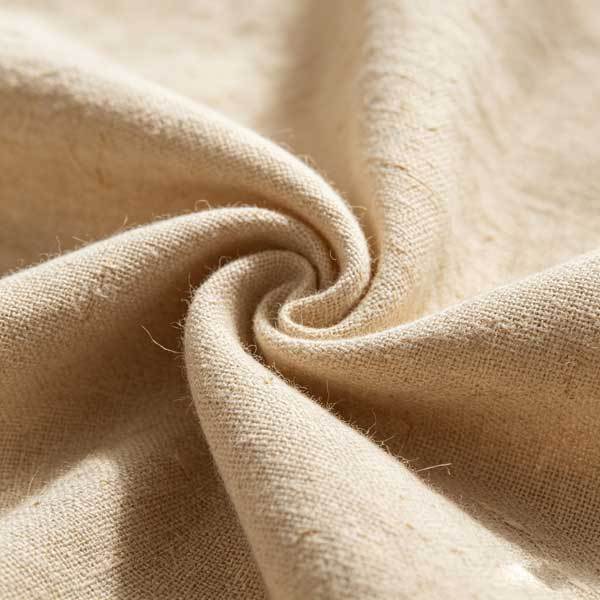
Yes — linen works in fall when you layer it, and it is one of the most comfortable bases for the 10–25°C range that most autumn days deliver. Linen is not a summer-only fabric; its breathability, which keeps you cool in July, also manages moisture and next-to-skin comfort in October when you add a knit, sweater, or jacket on top. The honest limits: a single lightweight linen shirt will not keep you warm at 10°C, and below about 5–8°C linen's role shrinks to a base layer under heavy winter outerwear. The fall formula is simple — linen as the breathable base, a mid layer for warmth, an outer layer for wind and cold — plus a colour shift from summer brights to autumn depths and a preference for mid-weight garment-washed linen around 150–180 gsm. This guide explains exactly how far linen goes in fall, what to wear over and under it, and where the real limits are. This answer is based on how flax linen actually behaves — the same fabric facts we publish on KOSSR product pages (100% European flax, garment-washed, honest care guidance). Temperatures and layer suggestions are practical targets from real seasonal dressing, not laboratory claims. Comfortable roughly 10–25°C when layered; below that it works as a base under heavy outerwear. Linen manages moisture and comfort; the knit and coat above it provide the actual warmth. Garment-washed linen at 150–180 gsm holds structure under layers better than featherweight summer weaves. Linen's autumn reputation suffers from a half-truth. The half that is true: linen is famous for hot-weather comfort, and our FAQ on whether linen is good for hot weather explains that side. The half that is missing: the same fibre properties that cool you in summer are exactly what make linen a superb fall base layer. The direct answer: yes, you can wear linen in fall — as the breathable base of a layered outfit across roughly 10–25°C, and as a base layer under heavy winter outerwear below that. What does not work is wearing summer-weight linen alone on a cold day, and no honest guide will tell you otherwise. Match linen to a temperature window rather than a calendar date, because autumn swings wildly by region. Here is the honest breakdown of what works at each temperature: Most people experience the 15–25°C windows for six to ten weeks of autumn, and those are exactly the temperatures where layered linen shines. The practical habit: check the morning low and afternoon high before dressing, because autumn days often swing 8–10°C. A linen base with a peelable mid layer handles that swing better than any single heavy garment. The question underneath "can you wear linen in fall" is usually "what do I put on top of it." Here is the layering stack that carries linen through autumn: Specific combinations that work in practice: If you are building the layering wardrobe from scratch, our guide on building a linen capsule wardrobe shows how a small number of pieces cover multiple seasons — the fall version is the same capsule with a knit and a coat added. Fall layering is not only about what goes on top — the base matters just as much, especially for dresses and trousers: The principle is simple: linen manages the microclimate next to your skin, and the base and outer layers handle the temperature. Getting the under-layer right is often what separates a comfortable layered outfit from a bulky one. Not all linen transitions equally well, and three factors decide how far a piece carries into autumn: Linen is sold across a wide weight range, and the featherweight pieces that excelled in July are not the best autumn performers. Mid-weight garment-washed linen around 150–180 gsm holds its shape under layers, drapes smoothly, and is substantial enough to keep its line when you add a knit. Heavy linen (180–220 gsm) suits overshirts and structured pieces for late fall. Featherweight linen (100–140 gsm) remains a warm-day fabric — honest advice is to keep it for the September tail rather than force it into October. The fastest seasonal transition costs nothing: swap bright summer whites and pastels for warm neutrals and deepened tones — oat, ecru, stone, rust, olive, mustard, terracotta, and deep navy. The same linen shirt that read as summery in white reads as autumnal in rust or olive, and warm neutrals sit perfectly under wool and leather. Garment-washed linen is pre-softened and pre-shrunk, so it drapes smoothly under layers and behaves predictably through the autumn wash cycle. Raw linen stays stiffer and creases more sharply, which makes it harder to layer. On KOSSR product pages, composition, weight, and the garment-washed finish are stated directly, so the choice is verifiable rather than guessed. The buying rule for fall: if you buy one piece to extend linen into autumn, make it a mid-weight (150–180 gsm) garment-washed long-sleeve shirt or a pair of mid-weight trousers in a warm neutral. Those two pieces anchor most fall outfits. Autumn linen needs slightly different care than summer linen, mostly because it is worn in layers, washed less often, and stored for longer stretches: To give a complete answer, here is where the "yes" stops: These limits are why the honest answer is "yes, with a system" rather than a blanket yes. Within 10–25°C, layered linen is comfortable and stylish; outside that range, it plays a supporting role rather than the lead. The summer side of the same fabric — why linen's breathability makes it a warm-weather essential. Outfit ideas for linen trousers across seasons, from summer sandals to autumn knits and boots. The cool-water care routine that keeps linen wearable through a full year of wear and washing. A practical method for owning fewer, better linen pieces that cover multiple seasons. Browse the KOSSR collection of 100% European flax, garment-washed linen — dresses, tops, pants, and sets in warm neutral and deep autumn tones — or contact us with any question about fabric weight, layering, or fit before you order.Can You Wear Linen in the Fall?
Why Linen Works in Fall: The Fabric Facts
The Fall Temperature Guide for Linen
Temperature Can you wear linen? How to wear it
20–25°C
Yes, easily
Linen alone, or with one light layer — a thin knit, overshirt, or cardigan you can remove indoors
15–20°C
Yes, comfortably
Linen base + one mid layer (knit, sweater, blazer); switch to longer cuts and closed shoes
10–15°C
Yes, with a full system
Linen base + mid layer + outer (wool coat, trench, or jacket); tights or thermal leggings under trousers
5–10°C
Only as a base layer
Linen under heavy winter outerwear, or indoors; the warmth comes entirely from the layers above
Below 5°C
Rarely the main choice
Linen is fine as an indoor base or under a heavy coat, but wool and insulation do the real work outdoors
What to Wear Over Linen in Fall
What to Wear Under Linen in Fall
Choosing Fall-Friendly Linen: Weight, Colour, and Finish
Fabric weight: mid-weight is the sweet spot
Colour: deepen, don't discard
Finish: garment-washed matters
Caring for Linen During Fall
When Linen Does Not Work in Fall: The Honest Limits
Related Questions
Build a Year-Round Linen Wardrobe