Why Linen Is the Best Fabric for Travel | KOSSR Linen Lifestyle Guide
- Share
- Issue Time
- Aug 26,2026
Summary
Why linen is the best fabric for travel: breathable in heat, quick-drying, light and crease-tolerant. Fibre-level reasons, honest fabric comparison, packing and care on the road, plus a 5–7 piece linen travel capsule.
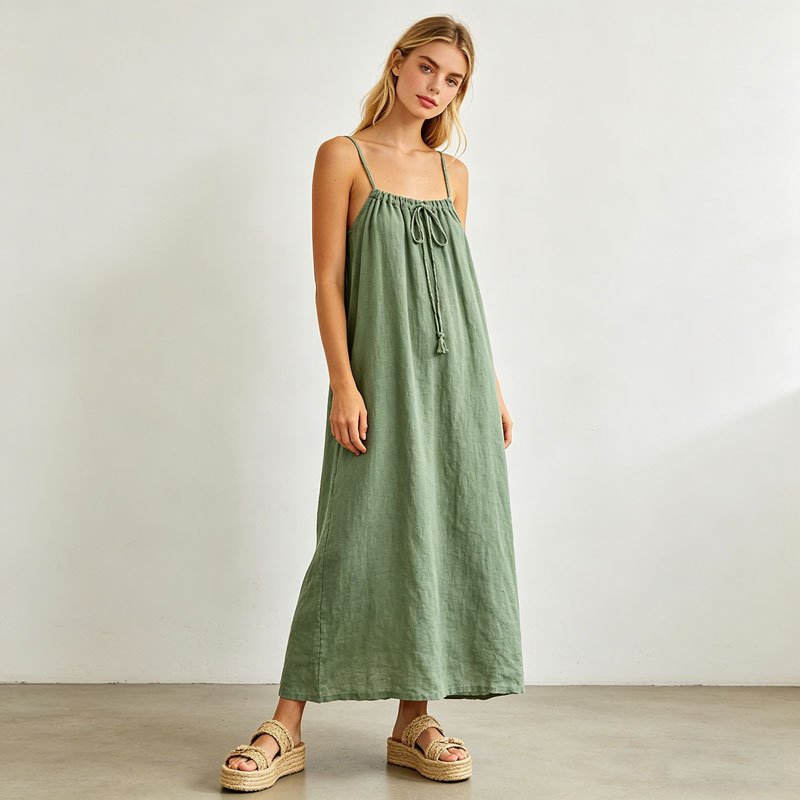
Why Linen Is the Best Fabric for Travel
Linen earns its reputation as a travel fabric through four practical properties: it breathes in hot weather, dries quickly after washing, packs light, and looks intentional even when creased. For anyone building a travel wardrobe — a beach holiday, a city break, a long flight to a warmer climate — linen solves problems that other fabrics handle only partially. This guide explains why linen works so well for travel, how it compares with the alternatives, how to pack and care for it on the road, and how to build a small linen travel capsule that covers a whole trip. It is written honestly: linen is not the perfect fabric for every traveller or every destination, and the second half of this guide covers exactly where its limits sit.
This is an information guide, not a paid recommendation. Fabric properties below follow how flax linen is described across the industry — breathability, moisture handling, drying behaviour, and durability are widely documented characteristics of the fibre. No invented statistics, no invented customer stories, and no claim that linen is objectively the best fabric for every traveller on earth.
Why Linen Works So Well for Travel: The Fibre-Level Reasons
Travel clothing has a demanding job: it has to survive being packed, worn for long hours, washed in unfamiliar conditions, and still look reasonable in photos. Linen's suitability is not marketing — it follows from the properties of flax fibre itself:
- Breathability. Flax fibres are hollow, and the classic linen weave leaves small gaps between yarns. Air moves through the cloth, so body heat escapes instead of pooling against the skin. On a hot day in a new city, this is the difference between a comfortable afternoon and a sticky one.
- Moisture handling. Linen absorbs moisture without feeling wet, then releases it quickly. Sweat is moved away from the skin rather than trapped, which matters in humid destinations where cotton clings and synthetics can feel clammy.
- Fast drying. Because linen releases moisture quickly, a hand-washed linen top dries overnight in most climates. For travellers, this is a superpower: one carefully chosen capsule can be washed and rotated across a two-week trip instead of packed in bulk.
- Light weight. Linen is a light fabric at the weights used for clothing, so a linen-based wardrobe adds relatively little to your luggage. You carry more outfit options for the same bag weight.
- Durability. Flax is one of the strongest natural fibres, and well-made linen garments survive years of wear and washing. For a travel wardrobe that is used hard, this means the pieces keep performing trip after trip.
The honest counterpoint matters just as much. Linen wrinkles — that is a property of the fibre, and while garment-washed linen creases softly and relaxes on the body, a freshly unpacked linen shirt will show packing creases. Linen also has no stretch, so fit must be right before you buy. And in very cold or very rainy destinations, linen is not the ideal outer layer. None of these are reasons to avoid linen for travel; they are reasons to choose the right linen pieces for the right trip — which is what the rest of this guide covers.
In short: linen earns its travel reputation through breathability, quick drying, light weight, and durability — four fibre-level properties, not a fashion trend.
For the deeper fibre-level picture, our FAQ on whether linen is good for hot weather and the explainer on whether linen clothing is breathable go into more detail.
Linen vs Other Travel Fabrics: An Honest Comparison
Linen is not the only travel fabric, and the honest comparison shows where it wins and where others have real advantages. Here is how the common options stack up for travel:
| Fabric | Heat & Humidity | Drying | Wrinkles | Care on the Road | Honest Trade-offs |
|---|---|---|---|---|---|
| Linen | Excellent — breathes and wicks moisture away | Fast — dries overnight when hand-washed | Creases, but garment-washed linen relaxes on the body | Easy — gentle hand or machine wash, no dryer needed | No stretch; not ideal as a cold-weather or heavy-rain outer layer |
| Cotton | Good in dry heat; clings and dries slowly in humidity | Slow — damp cotton stays damp | Wrinkles noticeably, with no relaxed-crease charm | Easy care, but heavy when wet | Dries slowly, which matters when you wash on the road |
| Synthetic knits (polyester, nylon) | Variable — technical knits wick, but trap heat when tight | Very fast | Minimal — the main reason travellers choose them | Very easy — no ironing, fast drying | Holds odour; non-biodegradable; can feel clammy in humid heat; less natural look and feel |
| Viscose / rayon | Moderate — smooth and light, less air movement | Moderate | Wrinkles easily and stays creased | Can be delicate in the wash | Weaker when wet; often needs careful handling on the road |
| Merino wool | Good in cool-to-warm; regulates temperature | Moderate | Minimal | Easy, and odour-resistant | Warmer than linen in hot weather; pricier; not the first choice for tropical heat |
The honest summary: synthetic technical knits win on zero-wrinkle and ultra-fast drying, which is a genuine advantage for ultralight travel. Merino wins on odour resistance and cooler climates. But for hot and humid destinations — the most common reason people reach for "travel clothing" at all — linen offers the best combination of coolth, moisture handling, natural look, and durability, with the single trade-off being that you must accept its creases. And because linen is a natural fibre that softens with washing, a linen travel wardrobe also avoids the synthetic feel and odour retention that many travellers dislike.
Packing Linen: What Travels Well and How to Pack It
Linen packs well, but the details decide the outcome. Here is what to know before you zip the bag:
- Roll, don't fold. Rolling linen pieces reduces sharp creases and uses space efficiently. Tops, trousers, and dresses all roll well; keep heavier pieces on the bottom of the bag.
- Garment-washed linen packs better. Garment-washed (pre-shrunk) linen arrives soft and relaxed, so it takes less convincing to look good after unpacking. Unwashed linen is stiffer and shows sharper creases — our guide to whether linen shrinks after washing explains the difference in detail.
- Choose the right weights. Light to mid-weight linen (roughly 120–180 gsm) travels best: light enough to pack small, sturdy enough to wear for a full day. Very heavy linen is better left at home for travel.
- Mix, don't match blindly. A travel capsule works because every piece pairs with every other. Keep colours in the same family — sand, white, sage, navy — so four tops and three bottoms produce far more than seven outfits.
- Use the wrinkles to your advantage. Garment-washed linen creases softly, and the lived-in look is the fabric's natural character. If you prefer a smoother appearance, hang pieces in the bathroom while you shower — the steam relaxes most creases within minutes.
A common question is how many linen pieces a trip needs. For most one-to-two-week trips in a warm climate, a practical capsule is: three tops (including one that dresses up), two pairs of trousers or skirts, one dress (for women), one layer for cool evenings, and one pair of shorts if the destination warrants it. That is roughly five to seven pieces — enough variety, small enough to pack, and small enough to hand-wash in rotation. Our guide to packable linen clothing for travel walks through the best piece-by-piece options, and the linen capsule wardrobe article covers the building logic in depth.
Caring for Linen While You Travel
Travel care is where linen's quick-drying nature becomes a practical superpower. The routine is simple and works in hotel rooms, hostels, and apartments:
- Hand wash in the sink. Fill the sink with cool or lukewarm water and a little mild detergent — a few drops of travel wash, hand soap, or shampoo works in a pinch. Swish the garment gently for a couple of minutes.
- Rinse thoroughly. Rinse in clean water until the water runs clear. Leftover detergent stiffens linen and can irritate skin, so this step matters.
- Remove water without wringing. Press the garment between two towels or roll it in a towel to absorb excess water. Wringing or twisting can stretch wet linen out of shape.
- Dry flat or on a hanger. Lay the piece flat on a towel or hang it on a sturdy hanger in the airflow. Light linen dries overnight in most climates; a hotel air-conditioner or a balcony speeds it up considerably.
Two honest notes on travel care. First, linen does not need washing after every wear — airing it overnight refreshes it, which reduces how often you need the sink routine at all. Second, if you prefer machine washing, most linen is machine-washable on a gentle 30 °C cycle; check the care label on each piece before you travel, because finishes vary. For the full picture, our guide to softening linen and the Linen Care FAQ cover washing, drying, and ironing in more depth.
Travel care in one sentence: wash gently, rinse well, press out water in a towel, dry overnight — and you can wear the same small wardrobe for weeks.
Linen by Destination: When It Shines and When It Doesn't
Linen is not the best travel fabric everywhere. Being honest about the map makes the choice easier:
- Hot and dry destinations (Mediterranean summers, desert cities, tropical islands): linen is at its best. Breathability and light weight give maximum comfort, and quick drying makes the sink-wash rotation effortless. This is the travel use case linen was made for.
- Hot and humid destinations (Southeast Asia, the Caribbean in summer): linen's moisture handling shines where cotton clings and synthetics feel clammy. Choose mid-weight garment-washed linen and relaxed cuts so the fabric does not stick to the skin.
- Cool-to-mild climates (shoulder-season cities): linen works as a base layer under a light jacket or cardigan, but it is not a warm fabric on its own. Pack one warm layer per cool evening and use linen for the daytime pieces.
- Cold or very rainy destinations: linen is not the right primary fabric. It is not insulating when wet the way wool is, and it offers no rain protection. For a winter or monsoon trip, leave linen at home and choose wool and technical layers instead.
- Long-haul flights: linen is a good choice for the flight itself in warm conditions — breathable, comfortable for long sitting, and crease-tolerant on arrival. If the cabin runs cold, carry a light layer to go over it.
The practical rule: match the fabric to the destination's dominant conditions. Linen earns its place in warm travel; for cold and wet trips, it is the wrong tool, and choosing wool or technical fabrics instead is not a failure of linen — it is the honest way to build a travel wardrobe.
A related question travellers often ask is whether linen works for the transition between destinations — a trip that starts in a cool city and ends at a beach. Linen handles this surprisingly well if you pack one warm layer: the linen pieces cover the beach end of the trip, and the layer plus a long-sleeve linen piece covers the cool start. What does not work is expecting a single linen wardrobe to carry a genuinely cold leg — for that, one warm outfit in the bag is the practical answer rather than trying to make linen do a job the fibre cannot do.
For hot-weather travel specifically, our FAQ on linen in hot weather and the guide to why linen suits summer living add useful context.
Building a Linen Travel Capsule: The Pieces That Earn Their Place
A travel capsule is a small wardrobe where every piece does multiple jobs. For linen, these are the pieces that earn their place on a warm-weather trip:
Linen tops (2–3)
One relaxed neutral for daywear, one that dresses up for evenings, and optionally one layer-ready piece for cool evenings under a jacket. Linen tops pack small, dry fast, and pair with every bottom in the capsule. The linen tops category shows the range.
Linen trousers (2)
Wide-leg or relaxed trousers in a neutral colour cover city days, dinners, and flights. They roll small, breathe in heat, and hide travel creases better than tailored cotton. Options live in the linen bottoms category.
Linen dress (1)
For women, one linen dress transforms the capsule: day at the beach with sandals, dinner with a low heel and jewellery. A midi or shirt dress does the most work per gram. See the linen dresses category.
Linen set or shorts (1)
A matching linen set gives you a ready-made outfit that needs zero styling thought on holiday; linen shorts cover beach and market days. The linen sets category is built around this idea.
The capsule logic: five to seven linen pieces, all in the same colour family, produce a full trip's worth of outfits because everything pairs with everything. What you leave at home matters as much as what you pack — a capsule is defined by the pieces that earn repeated wear, not by the pieces that fill the bag.
If you are planning a specific trip, the best packable linen picks guide and the capsule wardrobe guide cover the selection piece by piece.
What to Wear on the Flight and on Day One
How you travel matters as much as what you pack. A linen outfit is a strong choice for the journey itself in warm conditions, and a few habits protect both the garment and your comfort:
- Wear the heaviest linen piece on the plane. If your capsule includes a mid-weight linen shirt or trousers, wear them for the flight rather than packing them. It keeps the bag light and means the most wrinkle-prone piece arrives on your body, where creases relax within minutes.
- Layer for the cabin. Airplanes are unpredictable — warm at the gate, cold at altitude. A linen shirt over a light layer you can remove, plus a scarf or jacket in your carry-on, covers both ends. Linen is breathable, which is exactly what you want when the cabin runs warm.
- Choose relaxed cuts for long sits. A relaxed linen trouser or dress has more give in the fabric itself and does not press into the skin the way tight tailoring can over a ten-hour flight. Garment-washed linen is especially comfortable because the fabric is already soft.
- Steam on arrival. If anything looks packed rather than worn, hang it in the bathroom while you shower. Steam relaxes linen creases quickly, and by the time you are ready to go out, the piece looks intentional rather than crumpled.
- Pack a spare top in carry-on. One rolled linen top in your day bag means you can change after a long journey — and because linen is light, the spare costs almost nothing in weight.
Day one of a trip is when travel clothes earn their keep: you arrive possibly tired, certainly warm, and you want to walk out of the hotel looking reasonable without unpacking everything. A linen outfit that has been sitting in the bag for hours still looks right because its natural creases read as part of the fabric's character — which is precisely why linen travel capsules work so well in practice.
How Many Linen Pieces Does a Trip Actually Need?
The most common packing mistake is overpacking — and with linen, the correct answer is usually less than travellers expect. Here is a realistic breakdown for a one-to-two-week warm-weather trip:
| Piece | Quantity | Why It Earns Its Place |
|---|---|---|
| Linen tops | 3 | One daywear neutral, one that dresses up, one layer-ready; each pairs with every bottom |
| Linen trousers or skirts | 2 | Cover city days, dinners, and flights; roll small and dry overnight |
| Linen dress (women) | 1 | The highest outfit-per-gram piece — beach by day, dinner by night with different shoes |
| Linen shorts or set | 1 | Beach, market, and hot afternoons; a matching set needs zero styling thought |
| Light layer for evenings | 1 | Not necessarily linen — a light jacket or cardigan covers cool evenings and air-conditioned restaurants |
That is roughly six to eight garments for two weeks, and it works because of two factors. First, every top pairs with every bottom when colours stay in the same family — sand, white, sage, navy. Second, linen dries quickly, so you wash in the sink every two or three days and rotate the same small set. Travellers who try this usually report the same surprise: they wore fewer clothes and felt better dressed than on trips where they packed twice as much.
The honest limit: this formula assumes a warm destination and a willingness to hand-wash. If your trip is cold, or you strongly prefer not to wash on the road, you will need more pieces or different fabrics — and that is a legitimate choice, not a failure of the capsule idea.
For the piece-by-piece selection, the packable linen travel picks guide and the capsule wardrobe article are the practical next reads.
Common Questions About Traveling in Linen
Does linen wrinkle badly when packed?
Linen wrinkles, and packing adds creases — but garment-washed linen creases softly, relaxes on the body within minutes of wearing, and responds quickly to steam. The honest version: if you need zero-crease clothing, choose synthetics; if you accept linen's lived-in character, the creases stop being a problem and become part of the look.
How long does linen take to dry after hand washing?
Light to mid-weight linen typically dries overnight in most climates, and in a few hours in dry or air-conditioned conditions. The combination of open weave and quick moisture release is exactly why linen is practical for washing on the road.
Is linen good for hot and humid destinations?
Yes — linen's moisture handling is its strongest travel asset in humidity. It absorbs sweat without feeling wet and releases it quickly, so it does not cling the way cotton does or feel clammy the way some synthetics can. Mid-weight, garment-washed, relaxed-cut linen performs best in humid heat.
Can I wear linen on a long flight?
In warm conditions, yes: linen breathes, stays comfortable through long sitting, and arrives looking intentional despite the hours in a seat. If the cabin is cold, carry a light layer — linen is not an insulating fabric, and nobody enjoys a cold flight.
Does linen shrink when washed on a trip?
Unwashed linen can shrink a few percent in its first wash, which is why garment-washed (pre-shrunk) linen is the sensible travel choice — it arrives already shrunk and soft. Washing cool and drying gently keeps any further shrinkage minimal. The linen shrinkage FAQ covers the details.
Is linen worth the price for travel?
It depends on how you travel. For warm-weather trips where you wash and rotate a small wardrobe, linen's durability means the pieces serve many trips rather than one — which lowers the cost per wear considerably. If you travel mostly to cold destinations, the value story weakens, and that honest mismatch is worth knowing before you buy.
The Honest Bottom Line
Linen is the best travel fabric for warm and humid destinations because of four fibre-level properties — breathability, fast drying, light weight, and durability — combined into one natural fabric. It solves the two biggest travel-clothing problems (heat and washing on the road) while looking more intentional than most technical alternatives. The honest limits are equally clear: linen wrinkles, has no stretch, and is the wrong choice for cold or very rainy trips. Match the fabric to the destination, and linen becomes the piece you reach for every morning of the trip.
The final honest point: no fabric is perfect for every traveller, and "best" always depends on where you are going and how you pack. What linen offers is a specific, well-documented combination — coolth, quick drying, packability, and durability — that happens to match exactly what warm-weather travel demands. If that describes your next trip, a small linen capsule is a genuinely practical answer, not a fashion statement.
For the fuller picture, the related reading is useful: packable linen picks for travel, the linen capsule wardrobe, and our Linen Care FAQ for washing and drying on the road.
Build Your Linen Travel Wardrobe
Browse the KOSSR linen collection — tops, trousers, dresses, and sets — to build a packable, breathable travel capsule — or contact us with any question about weight, fit, or care before you order.