Is Linen Fabric Good Quality? | KOSSR Linen Fabric Guide
- Share
- Issue Time
- Aug 28,2026
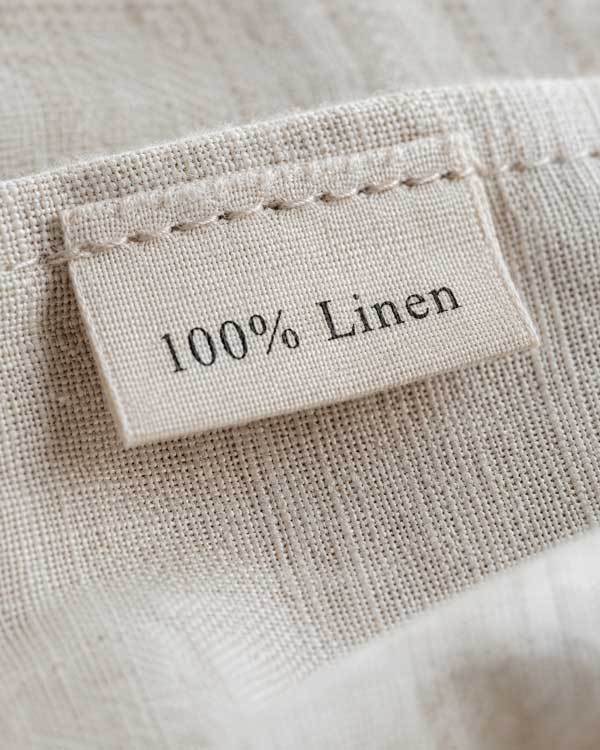
Yes — linen fabric is generally good quality when it is made from long flax fibres, spun evenly, woven densely enough, and finished properly. The word "quality" is not one thing, though: it is a combination of fibre length, yarn evenness, weave density, fabric weight, and finishing treatment. A high-quality linen fabric feels smooth but substantial, drapes well, breathes, and softens with washing instead of weakening. Lower-quality linen — short fibres, uneven yarn, loose weave, lightweight and poorly finished — still looks like linen but wears faster, wrinkles more stubbornly, and feels rougher. In short: linen fabric can be excellent, ordinary, or poor, and the difference is visible and touchable once you know what to look for. This guide explains what "quality" actually means for linen fabric, the five signals that separate good linen from cheap linen, how washed and unwashed linen fit into the picture, how linen fabric compares with cotton and synthetics, and the honest limits of judging quality from a product page or a photo. No invented statistics, no brand rankings — just the measurable properties of flax linen and how to read them. Quality linen starts with long, fine flax fibres. Longer fibres spin into smoother, stronger yarn — the single biggest driver of how the fabric feels and lasts. An even, reasonably dense weave gives linen its body and durability. Uneven or very loose weaves feel thinner and age faster, whatever the label claims. Garment-washing, softening, and finishing treatments turn stiff raw linen into the comfortable fabric people love — and change how it should be judged. Before judging any specific fabric, it helps to separate the things people usually mean when they call linen "good quality": These four are related but not identical. A fabric can be soft but weak, or strong but rough. "Good quality linen" is a fabric that scores acceptably across all four — which is why a single feature (like a high price or a famous origin) never tells the whole story. Our related guide on whether linen clothing is good quality looks at the garment level; this page focuses on the fabric itself. You cannot see fibre length with the naked eye, but five observable signals together give a reliable read on fabric quality: Long flax fibres spin into smooth, strong yarn. Short fibres create a fuzzier, weaker yarn with more loose ends that pill and roughen. Look at the yarn under a light: quality linen yarn looks clean and even; low-grade linen shows uneven thickness, slubs (irregular thick spots), and visible fuzz. A few slubs are natural in rustic linen — the difference is whether they are occasional character or the whole surface. Hold the fabric up to the light. Good linen has a closed, even grid of yarns with only a small amount of light passing through. Cheap linen often has an open, irregular weave where light streams through and the structure looks loose. Denser weaves are stronger, hold their shape longer, and feel more substantial. Weight is measured in grams per square metre (gsm). Lightweight linen (roughly 100–140 gsm) is airy and delicate; mid-weight (150–180 gsm) is the balanced all-rounder; heavyweight (190 gsm and above) is substantial and crisp. Heavier is not automatically "better" — it is a trade-off — but a fabric that feels papery and flimsy in the hand is rarely high quality. How the fabric was finished matters enormously to how it behaves. Garment-washed and pre-washed linen arrives soft, pre-shrunk, and ready to wear. Raw, unwashed linen is stiffer and will shrink in its first wash. Quality finishing also means even dyeing, minimal loose threads, and a consistent hand-feel across the whole piece. Scrunch a corner of the fabric in your fist and release. Quality linen takes a crease but recovers with wear, and the crease looks natural rather than harsh. Poorly finished synthetic-heavy blends or low-grade linen can crease sharply and stay that way. This quick test tells you a lot about the fibre and finish in three seconds. Run through these five signals on any linen fabric and you will rarely be misled by a label. For how these signals translate into garment longevity, our FAQ on whether linen gets softer over time and the guide on whether linen fabric is soft complete the picture. A common misunderstanding is that washed linen is "lower quality" than raw linen, or vice versa. In reality, washing is a finish, not a grade. Both can be made from identical long-fibre flax: When judging quality, apply the same five signals to both. A high-quality washed linen and a high-quality raw linen share the same fibre and weave; they simply behave differently. The dedicated comparison of washed linen vs regular linen covers the differences in detail. People often ask whether linen is "better" than other fabrics. Quality is per-fabric, but the honest general picture looks like this: The honest conclusion: linen fabric is high quality in the properties that matter for warm-weather and long-term wear — breathability, strength, durability, and ageing. It is not the right choice when you need stretch, wrinkle-free ease, or the lowest possible price. Quality is about matching the fabric to the use. The honest caveat: "high quality" is not guaranteed by fibre type alone. A poorly made lightweight linen can be worse value than a well-made cotton or a thoughtful blend. Judge the fabric, not the label — and remember that the same flax fibre can become either a heirloom-quality shirt or a disposable summer piece depending on yarn, weave, weight, and finish. Online, you cannot touch the fabric — so use what you can verify: If a seller cannot or will not answer basic questions about their linen, treat that as information — the same way you would when buying any natural-fibre garment. Price is the most unreliable single signal of linen quality — and also the most tempting one to trust. The honest relationship looks like this: The practical method: set your quality baseline with the five signals first, then compare prices only between fabrics that pass the baseline. Comparing prices before checking quality is comparing the wrong things. If you are weighing the purchase against your wardrobe and budget, our guide on whether linen clothing is worth buying works through the cost-per-wear logic in detail. Several widely repeated claims about linen quality are either oversimplified or wrong. Clearing these up makes judging fabric easier: None of these myths are harmless: they push buyers toward labels instead of fabric. The five signals — fibre, yarn, weave, weight, and finish — remain the reliable path, whatever the marketing says. How softness works in linen, why raw linen starts stiff, and how washing transforms the feel. The softening timeline of linen fabric and why age improves quality linen instead of degrading it. How fabric quality combines with construction to decide whether a finished linen garment is good. Why breathability is one of linen's strongest quality advantages in warm weather. Weighing linen's quality, comfort, durability, and price against your own wardrobe needs. Browse the KOSSR linen collection — dresses, tops, trousers, and sets in quality washed linen — or contact us with any question about fibre, weight, weave, or care before you order.Is Linen Fabric Good Quality?
What "Good Quality" Means for Linen Fabric
The Five Signals That Separate Good Linen From Cheap Linen
1. Fibre length and yarn evenness
2. Weave density
3. Fabric weight
4. Finishing and pre-treatment
5. How it behaves when crushed
Quick Reference: Quality Signals at a Glance
Signal Higher quality Lower quality
Fibre & yarn
Long fibres, smooth even yarn, few slubs
Short fibres, uneven yarn, heavy fuzz, many slubs
Weave
Even, closed, consistent grid
Open, irregular, unevenly spaced
Weight
Substantial for the intended use (usually mid-weight+)
Papery, flimsy, see-through
Finish
Even dye, pre-washed options, clean edges
Patchy colour, stiff raw feel, loose threads
Crease test
Natural crease that relaxes with wear
Sharp, stubborn crease that holds
Washed vs Unwashed Linen: Not a Quality Difference
Linen Fabric vs Cotton vs Synthetics: An Honest Comparison
How to Judge Linen Quality When Buying Online
How Linen Quality Relates to Price
Common Myths About Linen Quality
Related Questions
Choose Linen You Can Trust