Is Linen Durable? | KOSSR Linen Clothing Guide
- Share
- Issue Time
- Aug 27,2026
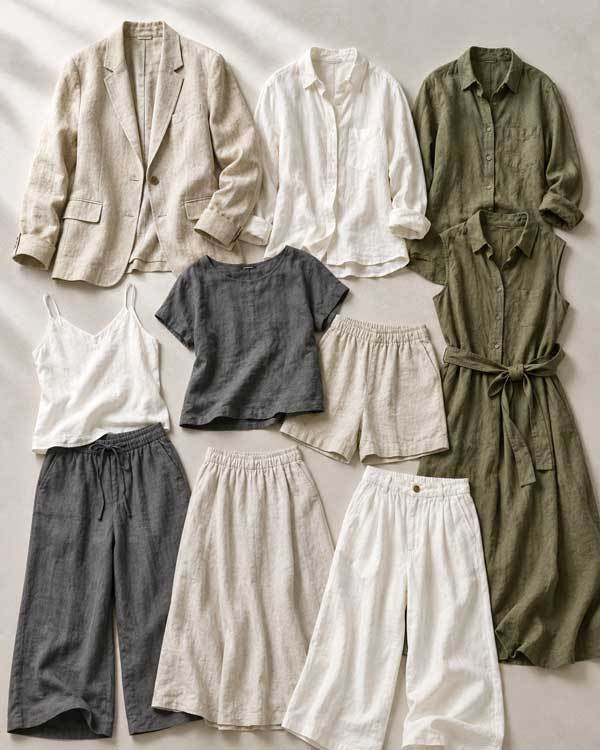
Yes — linen is one of the most durable natural fabrics in regular clothing use. Flax fibre is strong, and a well-made linen garment can be worn and washed for many years, often outlasting cotton pieces worn the same way. Durability is not automatic, though: it depends on the quality of the fibre, the weave density, the fabric weight, and how the garment is cared for. In short, linen is durable by nature and by reputation, but a specific linen piece is only as durable as its construction and its owner's care routine. This guide explains what "durable" really means for linen clothing, why flax fibre is strong, which factors decide how long a linen garment lasts, how linen ages compared with cotton and synthetics, and the care habits that extend its life — with honest limits: no fabric is indestructible, and light, loosely woven linen is deliberately less rugged than heavy-duty linen. Flax is one of the strongest plant fibres used in clothing, with good tensile strength that resists tearing and stretching under normal wear. Linen softens with washing and wear instead of degrading quickly. Many linen garments look better — and last longer — after years of use. Fibre quality, weave density, weight, and seams decide how durable a specific piece is. Heavy, tightly woven linen outlasts light, open-weave linen. Before answering whether linen is durable, it helps to define the word. In everyday use, durability for clothing means four practical things: Linen performs very well on most of these points, with one honest caveat: its abrasion resistance is good but not the highest of all fabrics, and very light or loosely woven linen is not designed to be rugged. Understanding this distinction is the difference between a linen shirt that lasts a decade and one that wears out at the elbows within a couple of seasons. Durability starts at the fibre level. Linen is made from the stem of the flax plant, and flax fibres are known for their strength — they are among the strongest natural fibres used in textiles, which is why linen was historically used for sailcloth, ropes, and heavy workwear long before it became a fashion fabric. Two fibre properties matter most: The honest limit of fibre strength: strength is not the same as toughness against abrasion. A flax fibre is strong in tension, but repeated rubbing — such as the constant friction at inner-thigh seams or under a heavy backpack strap — gradually wears the surface yarns, which is why abrasion points are the first place any linen garment tends to show wear. That behaviour is normal and predictable, and it can be managed with fit, reinforcement, and rotation. Not all linen is equally durable. When choosing linen clothing, these four factors matter more than the fibre itself: Long, fine flax fibres produce smoother, stronger yarns. Short fibres produce a fuzzier, weaker yarn that wears faster. Quality linen uses longer staple fibres, which is one reason premium linen lasts longer — and why it costs more, as explained in our guide to how to tell if linen is good quality. A tightly woven linen has more yarns per inch, which makes the surface denser and more resistant to abrasion and snagging. An open, loose weave is airier and softer — lovely in hot weather — but it is inherently less rugged. Choose the weave to match the job: dense for daily and travel wear, open for relaxed summer pieces. Heavier linen (roughly 180 gsm and above) is more substantial and longer-wearing than lightweight linen (around 100–140 gsm). Lightweight linen is perfect for hot climates and soft drape, but it should be treated as a delicate summer fabric, not as rugged gear. Weight is a deliberate trade-off, not a quality judgement. The fabric is only half the story. Double-stitched seams, reinforced stress points, quality thread, and careful finishing make a garment last far longer than the same fabric with weak stitching. When buying, inspect the seams and hems — they are the most common failure point of any clothing, linen included. Together, these four factors explain why two linen shirts can have very different lifespans: the same flax fibre, but one is made from fine long fibres, tightly woven, mid-weight, and well stitched, while the other is made from short fibres, loosely woven, lightweight, and weakly finished. The first will last years; the second is a summer-season piece. That is not a contradiction — it is construction. Linen has an unusual ageing pattern compared with most fabrics: it gets softer and more comfortable with each wash, rather than becoming stiff or brittle. Over the first several washes, the fibres relax and the fabric develops a gentle, lived-in feel — this is why washed linen is so popular. Our FAQ on whether linen gets softer over time covers the timeline in detail. What this means for durability is good news: the ageing process does not weaken the fabric the way it does for some materials. A linen garment that has been washed fifty times is typically softer but structurally sound. The visible signs of age in linen are usually cosmetic — a softening of the surface, a slightly faded depth of colour, and eventually, if worn very hard, thinning at friction points. None of these appear quickly in a well-made piece. The honest caveat: "durable" does not mean "indestructible." Linen is strong and long-lived when it is well made and reasonably cared for, but very light linen, linen that is constantly machine-dried on high heat, or linen that is worn daily without rotation will wear out sooner. Durability in linen is a partnership between the fabric and the owner. People often ask how linen's durability compares with other fabrics. Here is an honest, practical comparison for normal clothing use: The honest bottom line of the comparison: in terms of pure abrasion resistance, a good synthetic fabric can outlast linen — that is an engineering fact. But durability for clothing is not only about abrasion. Linen's combination of strength, shape retention, and graceful ageing means a well-made linen garment is typically worn, washed, and kept for a very long time, which is why linen is a natural fit for long-term wardrobes and slow fashion. Care is where linen durability is most often won or lost. These habits make a measurable difference: Follow these habits and the "years to a decade-plus" lifespan becomes realistic. Ignore them — especially high-heat drying and over-washing — and even good linen will age faster than it should. Honesty requires noting where linen durability falls short, so you can choose the right fabric for the job: None of these mean linen is not durable. They mean durability is context-dependent — which is true of every fabric. Linen's durability is genuinely impressive for natural clothing fibre, and it is at its best in the role it plays best: breathable, long-wearing clothing for daily, warm-weather, and travel wear. It is reasonable to expect a well-made, mid-weight linen garment to last several years of regular warm-season wear, and longer with rotation and careful washing. This is not a promise attached to a specific piece — real lifespan varies with fibre quality, weave, weight, construction, and care — but it is a fair expectation for quality linen, and it is one of the main reasons linen appears so often in long-term and slow-fashion wardrobes. For a sense of how linen fits into a longer wardrobe, our FAQ on the benefits of linen clothing and the sustainability explainer on whether linen is a sustainable fabric both discuss longevity as part of the picture. The honest expectation to hold: linen rewards patience. The first season is the fabric at its most crisp; by the second or third year it is softer, more personal, and still structurally sound. Many linen lovers describe their best pieces as improving with age — which is a durability story in itself. How softness works in linen, and why durability and softness can coexist in a well-made piece. The softening timeline of linen and how washing and wear improve its feel without weakening it. Why breathability makes linen so practical for warm weather — the comfort half of the linen story. How to judge linen quality by fibre, weave, weight, and finishing — the same factors that drive durability. Weighing linen's durability, comfort, and cost against your own wardrobe needs. Browse the KOSSR linen collection — dresses, tops, trousers, and sets in quality fabrics — or contact us with any question about fabric weight, weave, or care before you order.Is Linen Durable?
What "Durable" Means for Linen Clothing
Why Flax Fibre Is Strong
The Four Factors That Decide a Linen Garment's Lifespan
1. Fibre quality
2. Weave density
3. Fabric weight
4. Construction and seams
How Linen Ages: Softens Before It Wears Out
Linen vs Cotton vs Synthetics: Honest Comparison
Property Linen Cotton Polyester / Synthetics
Tensile strength
Very high — flax is among the strongest natural fibres
High, but lower than flax at the same weight
High, and consistent batch to batch
Abrasion resistance
Good in dense weaves; light weaves wear faster
Good, similar to mid-weight linen
Generally the highest of the three
Shape retention
Excellent — holds shape, minimal stretch
Good; can lose shape in knits
Very good in woven form
Ageing character
Softens and improves with wash; develops character
Softens, can fade and lose crispness
Little change; can pill in knits
Typical lifespan (well-made)
Years to a decade-plus with reasonable care
Years, similar range
Years, but often retired for look rather than failure
Main weakness
Abrasion at friction points; light weaves
Slow drying, creasing, mildew if damp
Less breathable; microplastics; heat sensitivity
Care Habits That Extend Linen's Life
When Is Linen Not the Right Choice?
How Long Should a Linen Garment Last?
Related Questions
Choose Linen That Lasts