Fall Wedding Guest Outfits in Linen: Elegant Looks for Every Dress Code
- Share
- publisher
- KOSSR
- Issue Time
- Sep 8,2026
Summary
Fall wedding guest outfits in linen, dress code by dress code: which invitations linen fits (semi-formal, cocktail, dressy casual, outdoor), the midi dresses, blazers and two-piece sets that read ceremony-ready in deep autumn tones, men's looks that meet the code without a wool suit, the honest wrinkle conversation and a ten-point pre-wedding checklist. KOSSR: 100% European flax linen, garment-washed, composition and weight on every product page.
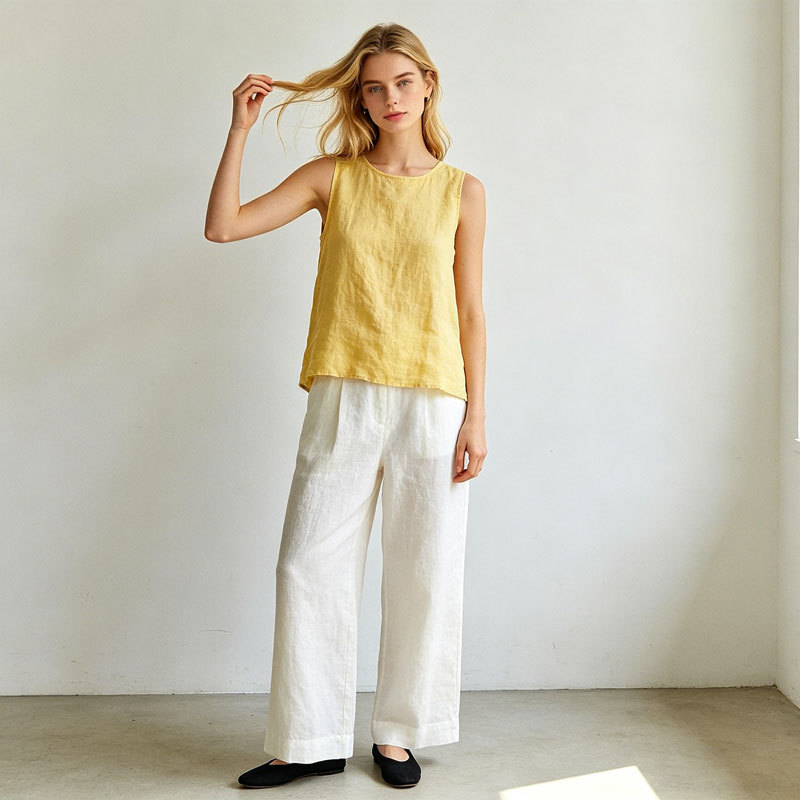
The short answer: yes, linen can be a genuinely elegant choice for a fall wedding guest — provided you match the fabric to the dress code, the venue and the hour, and choose pieces with a dressier cut rather than beach-ready shapes. The weddings where garment-washed 100% European flax linen truly shines are the ones most autumn weekends actually deliver: semi-formal, cocktail, dressy-casual and outdoor daytime ceremonies in the September and October range of roughly 10–22°C (50–72°F), where a midi or maxi linen dress, a tailored linen suit or a linen blazer over a slip dress reads polished, breathable and appropriate. The honest boundary matters just as much: a black-tie evening with a strict formal dress code is not the moment for pure linen, because the occasion calls for a level of formality the fabric does not pretend to offer. This guide gives you a dress-code-by-dress-code system for women and men — which looks genuinely work, which ones to avoid, how to handle wrinkles before the ceremony, and how to layer for a venue that runs cool outside and warm inside. Every piece referenced is a real KOSSR category, and every product page states fibre composition and weight, so you can judge the fabric density yourself before you buy. Two honest framing notes before the looks. First, "fall wedding" spans a huge range — a 24°C (75°F) barn ceremony in early October is a different event from a 6°C (43°F) hotel ballroom reception in late November — so every recommendation below is built as a dress-code-and-temperature system rather than a single outfit. Second, linen wrinkles; that is a property of the fibre, not a flaw in you or the garment. The question that matters is how much structure the event needs and how you manage the creases, and both are covered honestly below. Most wedding-guest advice assumes you will shop in polyester, chiffon or crepe, but those fabrics have a genuine problem in autumn: they trap heat the moment a reception hall warms up, and they do not breathe when you move from a cool outdoor ceremony straight into a crowded room. Linen works because it solves the temperature problem from both sides. Flax fibres are hollow, so air moves through the weave — a mid-October afternoon in direct sun at 20°C (68°F) feels comfortable rather than clammy, and the same fabric takes a blazer without overheating you inside. Garment-washed linen adds the second quality weddings demand: drape. A pre-washed piece hangs softly rather than standing stiff, which is what lets a linen midi dress read "ceremony" instead of "beach cover-up". The honest limits are structural, and naming them saves you from the wrong purchase. Pure linen does not pretend to be a tuxedo or a floor-length ball gown; for black-tie and strict formal evening events, choose the fabric the code expects and leave linen at home. Linen is also a natural fibre with visible texture and natural creasing, so it suits weddings where the couple themselves have chosen relaxed elegance — barns, vineyards, gardens, marquees, coastal inns — far better than it suits a gilded ballroom. If you are unsure, the dress code words that pair with linen are "semi-formal", "cocktail" (in warmer regions), "dressy casual", "garden" and "outdoor"; the words that should stop you are "black-tie", "white-tie" and "strictly formal". Our guide to whether linen can look elegant walks through the styling logic in detail; this guide focuses on the wedding-specific system. The rule in one sentence: linen fits a fall wedding whenever the event's own aesthetic is relaxed-elegant — read the venue and the dress code together, not the fabric alone, and when in doubt choose the dressier cut and the deeper colour. Wedding invitations in the US and Europe usually carry one of six dress-code labels, and each one has a clear answer for linen. The table below is the honest, decision-ready version: for each code you get the typical setting, whether pure linen is appropriate, and the specific way to wear it if it is. Read the "how to wear it" column carefully — the difference between appropriate and underdressed is almost always in the cut, the colour and the layer, not in the fabric itself. The pattern in the table is worth naming: linen's sweet spot is daytime and early-evening events where the couple has chosen relaxed elegance, and its boundary is the formal evening. Two practical reads follow. First, if the invite says "semi-formal", "cocktail" or "dressy casual", a well-cut linen outfit is not a compromise — it is a deliberate, appropriate choice that most other guests in synthetic fabrics will quietly wish they had made by hour three. Second, when in doubt between two levels of dressiness, choose the dressier option: a darker tone, a longer hem or a structured blazer upgrades a linen look instantly, while nothing can rescue an outfit that arrives visibly underdressed. When you cannot read the code: if the invitation says only "attire: please dress to celebrate" and the venue is a barn, vineyard or garden, treat it as dressy casual — the safest reading for linen. If the ceremony starts after 6 p.m. in a city venue, err formal and leave linen at home unless the couple's own style is visibly relaxed. The single biggest mistake with linen at a wedding is wearing the same relaxed shapes you would pack for a holiday. The fix is a set of cut and styling rules that move the fabric up the formality scale, and every look below is built from pieces that genuinely exist at KOSSR, in women's cuts, with composition and weight stated on the product page. [IMAGE_PLACEHOLDER] img prompt: A woman in an olive-green linen midi dress and a matching structured linen blazer standing beside an autumn vineyard row, holding a small clutch, a second guest in a terracotta linen two-piece set blurred in the background, golden hour light, wedding-guest editorial photography The colour rules matter as much as the cut, and there are two of them. First, avoid white, ivory and champagne in any fabric — that is the couple's territory, and the rule applies to linen as much as to any other material; a safe alternative in the same light family is a warm sand or a soft oatmeal tone, which reads neutral without signalling bridal. Second, autumn rewards depth: rust, terracotta, olive, forest, ink navy, plum and burgundy all photograph beautifully against fall foliage and read more formal than the same garment in ecru. Our styling guide on dressing linen up or down explains the colour-and-accessory mechanics in more depth. Men face a simpler but sharper version of the same question: most fall weddings expect a suit, and a full wool suit is often too warm for a 20°C (68°F) outdoor ceremony and too heavy to carry on a flight. Linen gives men a legitimate middle path — but only when it is worn the way the dress code expects. The honest system below works from dressy-casual up to semi-formal, and it names the point where linen stops (the formal evening suit). Two men's details deserve emphasis because they decide the whole look. First, fit: a linen blazer or shirt that fits well at the shoulder and is neither baggy nor tight reads formal; the same garment in the wrong size reads sloppy. Our men's linen shirt fit guide covers the measurements. Second, colour depth: men's linen in light summer tones (white, light blue) can read "vacation" at a wedding, so autumn weddings call for deeper shades — ink, forest, rust, stone grey — or crisp white only when worn under a structured dark blazer. For the full reasoning on how linen changes behaviour as the calendar turns, our guide to wearing linen in fall is the reference. Every honest linen guide has to address the creases, because they are the number-one reason guests hesitate to wear linen to a wedding. The practical truth has three parts, and none of them requires you to apologise for the fabric. First, garment-washed linen — the kind KOSSR makes — starts soft and relaxed, so its creases are soft and natural-looking rather than the sharp, board-like folds of unwashed linen. Second, most "wrinkle disasters" at weddings are actually travel creases from folding a garment into a suitcase for two days, and those are almost entirely preventable. Third, once you are at the event, sitting is the only real crease-maker left, and a garment-washed midi dress or blazer recovers remarkably well just from hanging overnight — which is exactly the timeline of a wedding weekend. The one-line reassurance: guests notice whether you look intentional, not whether your fabric is crease-free. A garment-washed linen outfit that fits well, in a deep autumn colour, steamed before the ceremony, is appropriate at the weddings where linen belongs — soft creases included. Autumn weddings almost always share the same climatic structure: an outdoor ceremony where the temperature is genuinely cool — commonly 10–16°C (50–61°F) in October — followed by a reception that warms up quickly, because a room full of people, catering and dancing raises the indoor temperature by several degrees within the first hour. The guests who look most comfortable are not the ones with the heaviest coat; they are the ones with a layered system they can shed. Linen is the ideal base of that system for the same reason it works in summer: it breathes. Under a blazer or a fine knit, a linen dress or shirt keeps you at the right temperature when the room warms, where a synthetic dress or a heavy cotton shirt starts to feel sticky by the first dance. Two honest notes on this table. First, "warm indoor" is the reason lightweight or mid-weight linen beats a heavy knit dress at a fall wedding: the ceremony needs warmth, but the reception needs breathability, and only a layered natural-fibre system serves both. Second, the same layering logic that governs a September weekend applies here in a more formal register — our autumn layering guide and the recent guide to linen blazers and jackets for fall both walk through the temperature math in depth. The wedding-specific summary is short: one structured layer per guest, chosen to match the outfit, solves 90 percent of autumn wedding discomfort. If you only remember one number: expect the room to run roughly 6–10°C (11–18°F) warmer than the outdoor ceremony. Dress for the ceremony, and carry the answer to the room — that answer is a breathable base plus one structured layer. The fastest way to move a linen outfit up or down the formality scale is not the garment — it is what you put on your feet and in your hand. The same midi dress that reads "garden party" with flat sandals reads "semi-formal" with a heel and a structured clutch. The details below are the ones that decide whether a wedding guest looks intentional or underdressed, and they apply to linen exactly as they apply to any other fabric. The finishing-details logic connects directly to the dress-code system above: dressy casual needs only the first two details right, while semi-formal asks for all of them. A useful mental check before you leave — would this outfit read as wedding-appropriate if the venue photos show your shoes and your bag? If the answer is no, change the accessories before you change the dress. The broader principle of dressing linen up or down is covered in our linen dress styling guide, which applies the same logic to the full range of occasions. The checklist below condenses the whole guide into the ten checks that matter most, in the order you should run them. Each one maps to a decision already covered above, and together they catch the mistakes that actually happen — the wrong dress-code read, the bridal-adjacent colour, the travel creases discovered at the hotel, the missing layer discovered at the ceremony. Run these ten checks once and the outfit is decided — the remaining variable is simply enjoying the day. If you are still weighing which single garment to buy first, the honest starting point is a midi or occasion dress in a deep autumn tone, because it serves every dress code from dressy casual to semi-formal with only accessory changes. Our summer-to-fall transition guide explains how the same garment continues earning its place through November. Yes — black linen works for fall weddings in the same way black works in any fabric, with two honest notes. First, black is the safest "formal" colour linen can offer, so it is the right choice for cocktail and semi-formal evenings where a lighter tone might read too casual. Second, black linen shows dust and lint more than deeper earth tones, so steam it and use a lint roller before the ceremony. In black, choose a dressier cut than you would in a daytime colour — the dark tone does the formality work, and the silhouette must match it. No, but the reputation comes from real mistakes: beach-cut shapes, light summer colours, unwashed fabric with board-like creases, and the wrong dress code. When linen is worn in a midi or maxi cut, a deep autumn colour, garment-washed and steamed, with proper shoes and a structured layer, it is appropriate for semi-formal, cocktail, dressy casual and outdoor weddings — the categories that cover most autumn invitations. The boundary is honest: at black-tie and strictly formal evening events, linen does not meet the code, and the correct answer is to wear what the occasion asks for. The detailed reasoning on elegance and formality is in our guide to linen's elegant side. Soft creasing after sitting is normal for linen and for most natural fabrics, and at relaxed-elegant weddings it is not a faux pas — the garment-washed texture means creases stay soft rather than sharp. If you want the lowest-crease possible, choose a heavier-weight linen (compare the stated weight on the product page) or a structured cut such as a shirt dress or blazer-dress, both of which hold their line better. For stubborn creases before the event, a steamer resolves them in minutes; the full method is in our wrinkle-removal guide. Yes — and this is one of linen's quiet strengths as a wedding-guest fabric. A garment-washed piece machine-washes gently at 30–40°C (86–104°F) and hang-dries ready for the next invitation, and because the fabric softens with each wash, the second wearing looks better than the first. To make one outfit serve two different weddings, change the layer and the accessories: the same midi dress reads differently under a blazer with a heel than alone with a shawl and flats. That is the same capsule logic our mindful wardrobe guide applies to the whole closet. Shop 100% European flax linen, garment-washed for softness — with fibre composition and weight stated on every product page, so you can choose the density, the drape and the deep autumn colour your invitation calls for. Shop linen occasion dresses · Shop linen blazers · Shop linen setsFall Wedding Guest Outfits in Linen: Elegant Looks for Every Dress Code
Why Linen Works for Fall Weddings (and Where It Stops)
The Dress-Code Verdict Table: Where Linen Fits and Where It Does Not
Dress code on the invite Typical setting Linen verdict How to wear it
Black-tie / white-tie
Evening, ballroom or formal venue, gowns and tuxedos expected
No — pure linen does not meet the formality bar
Choose a gown or tuxedo as the code requires; save linen for the after-party the next day
Formal (black-tie optional)
Evening ceremony and reception, floor-length or cocktail-length expected
Rarely — only with a structured layer and in warmer regions
A dark tailored linen blazer over a dressy base can work for men; women should choose a dressier fabric unless the couple's style is relaxed
Semi-formal
Afternoon or early evening, ceremony plus sit-down reception
Yes — linen's best category
Women: a midi or maxi linen midi dress in a deep autumn tone with a heel and minimal jewellery. Men: a linen blazer with tailored dark trousers, or a crisp linen button-up shirt under a structured blazer
Cocktail
Late afternoon into evening, knee-to-midi length, dressy but not formal
Yes — with the right cut and colour
Women: a knee-length or midi linen dress in rust, ink or olive, worn with a heel and a blazer for the cool hours. Men: a dark linen suit or blazer with a shirt — no tie required in most regions
Dressy casual / garden
Daytime, outdoor, barn or vineyard — the most common fall-wedding code
Yes — this is where linen is the natural first choice
Women: a linen dress or a two-piece linen set in any autumn tone. Men: linen shirt with tailored linen trousers or chinos, optionally with a blazer
Casual
Very small or very laid-back weddings, often daytime
Yes — but still dress it up out of respect for the occasion
Women: a relaxed linen dress or skirt with a knit layer. Men: a linen shirt with clean trousers and leather shoes — skip the shorts and the flip-flops regardless of the code
Women's Looks: Five Linen Outfits That Read "Ceremony", Not "Beach"
Men's Looks: Linen That Meets the Dress Code Without a Suit
The Wrinkle Conversation: What to Expect and How to Manage It
The Temperature System: Cool Ceremony, Warm Room, and the Layer That Bridges Them
Hour of the event Typical conditions The layer you need What to do with it later
Ceremony, outdoor
10–16°C (50–61°F), breeze possible, sun low
Linen base plus a blazer, shawl or fine knit
Keep it on through the photos; it reads as part of the outfit
Cocktail hour, transitional
Moving between outdoor and indoor spaces
The blazer or shawl, on and off as you move
This is the hour the layer earns its place — do not check it
Reception and dinner, indoor
20–24°C (68–75°F) once the room fills
Linen base alone; blazer over the chair
An unlined linen blazer folds small over a chair back without crushing
Dancing and late evening
Warm room, possible open door or terrace
Base dress or shirt; blazer only for outside trips
Grab the layer only when stepping out — breathable linen is the best fabric for the dance-floor heat
Shoes, Bags and the Finishing Details That Set the Formality
The Fall Wedding Guest Checklist: Ten Checks Before You Leave
Quick Answers: The Four Questions Every Guest Asks
Can I wear black linen to a fall wedding?
Is linen too casual for a wedding, full stop?
What if I sit down and the dress creases badly?
Can I re-wear the same linen outfit for two wedding events in one season?
Build Your Fall Wedding Guest Look